
When Sensors Talk: Wearables, AI, and the New Early Detection Era for Cancer
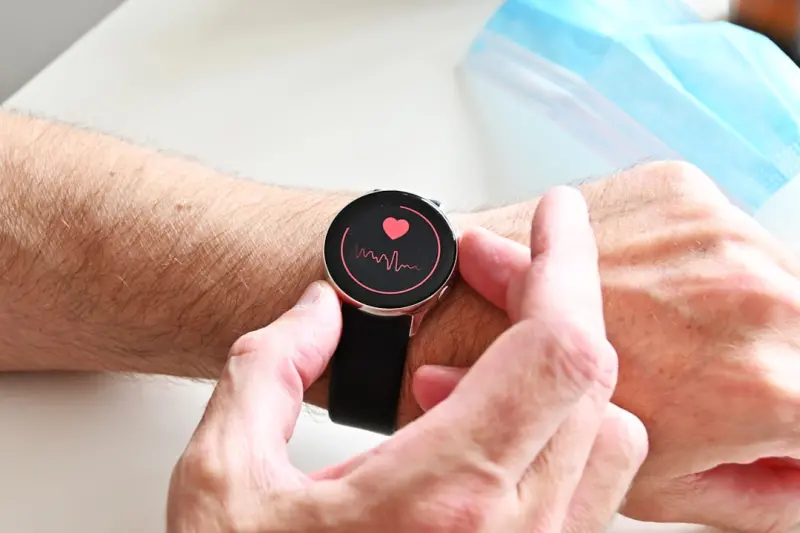
Imagine a world where your smartwatch flashes a subtle alert before a tumor even thinks about growing large enough to be felt. A world where algorithms sift through millions of data points—your heart rate variability, sleep patterns, subtle shifts in skin temperature—and surface a whisper of concern that prompts a conversation with a doctor. This isn’t a sci‑fi plot; it’s the emerging reality of data‑driven oncology. As a technophile who has spent years watching health tech evolve from clunky glucometers to sleek, AI‑powered platforms, I’m convinced that the next big leap in cancer care will come from the silent partnership between our bodies and the sensors we wear.
The Data Revolution in Oncology
For decades, cancer detection has been dominated by episodic tests—mammograms, colonoscopies, PSA screens—performed on a schedule dictated by guidelines rather than individual physiology. While these tools have saved countless lives, they are inherently reactive; they catch disease after it has already manifested. The paradigm is shifting toward continuous, proactive monitoring. Every heartbeat, every sleep cycle, every micro‑movement we make is now quantifiable, and each of these data streams holds a clue about our internal health landscape.
Take heart rate variability (HRV), for instance. Researchers have observed that HRV dips can precede systemic inflammation, a known catalyst for tumor progression. Similarly, subtle changes in nocturnal oxygen saturation may signal early disruptions in cellular metabolism—a hallmark of malignancy. When these physiological breadcrumbs are aggregated over weeks or months, patterns emerge that are invisible to the naked eye but crystal clear to a well‑trained machine learning model.
Wearables as Early Warning Systems
Modern wearables have evolved far beyond step counters. They now track electrodermal activity, blood oxygen levels, skin temperature gradients, and even electrocardiograms. By continuously recording these metrics, they create a high‑resolution chronicle of your health. The key is contextualizing this data. A single night of poor sleep is a blip; a persistent trend of decreasing deep‑sleep percentage coupled with rising resting heart rate may be a red flag.
Consider a scenario where a patient’s device notes a gradual rise in nocturnal skin temperature over several weeks, alongside a subtle decline in HRV. An AI engine, trained on thousands of similar patterns from individuals who later received a cancer diagnosis, flags this constellation as “potential early oncologic signal.” The patient receives a discreet notification: “Your recent health trends suggest a follow‑up with your clinician could be valuable.” This early nudge could prompt a low‑dose CT scan or a blood-based liquid biopsy, catching disease at a stage where treatment is most effective.
It’s not just about detection. Wearables can also monitor treatment side effects in real time. Chemotherapy‑induced peripheral neuropathy often manifests as altered gait or reduced balance. By analyzing micro‑movements captured through inertial sensors, an app can alert clinicians to emerging neuropathy before the patient even notices the change, enabling dose adjustments that preserve quality of life.
AI‑Powered Pathology: Turning Images into Insights
Beyond the wearable, artificial intelligence is transforming the very core of cancer diagnosis—pathology. Traditional histopathology relies on expert eyes to interpret stained tissue slides. AI models now scan whole‑slide images at microscopic resolution, identifying patterns that correlate with genetic mutations, tumor aggressiveness, and even patient survival outcomes.
One of the most exciting developments is the ability of AI to predict molecular signatures directly from H&E‑stained slides, bypassing the need for costly immunohistochemistry. This means a single biopsy could simultaneously provide a diagnosis, stage, and a roadmap for targeted therapy—all within minutes. The implications for low‑resource settings are profound: a community clinic equipped with a digital scanner and an AI subscription could deliver world‑class diagnostic precision without a full pathology lab.
The Microbiome Frontier: A Hidden Ally in Cancer Detection
While AI and wearables dominate headlines, another quiet revolution is unfolding in our guts. The Nutritional Epigenetics movement has highlighted how diet reshapes gene expression, but the microbiome adds another layer of complexity. Certain bacterial metabolites have been linked to both cancer promotion and suppression. Emerging studies show that shifts in gut microbial diversity can precede clinical signs of colorectal cancer by months.
Integrating microbiome sequencing into a patient’s digital health profile creates a richer tapestry for AI models. A sudden decline in short‑chain fatty‑producing bacteria, combined with a rise in pro‑inflammatory species, could serve as a metabolic early‑warning signal. When paired with wearable‑derived metrics—like increased resting heart rate or altered sleep architecture—the composite risk score becomes remarkably predictive.
Practical Steps for Patients and Providers
- Choose the Right Device: Not all wearables are created equal. Look for FDA‑cleared or CE‑marked devices that capture multi‑modal data (HRV, SpO2, temperature, motion).
- Stay Consistent: Data quality hinges on regular use. Wear your device during sleep and daily activities to ensure a complete picture.
- Engage with Integrated Platforms: Use health apps that centralize data and offer AI‑driven insights rather than isolated step counts.
- Collaborate with Your Clinician: Bring your aggregated health data to appointments. Discuss trends, not just isolated numbers.
- Consider Gut Health Testing: Periodic stool sequencing can add a valuable dimension to your health profile, especially if you have a family history of gastrointestinal cancers.
- Maintain a Baseline: Establish a “healthy” data baseline during a period of wellness; deviations from this baseline are more informative than absolute values.
For those who thrive on movement, the concept of Micro‑Movements for Brain Fitness offers a compelling parallel. Small, intentional adjustments in posture and gait can enhance circulation and lymphatic flow, potentially supporting immune surveillance against emerging malignant cells. Even simple practices like gentle ankle rotations while waiting in line or mindful breathing during a commute can contribute to a healthier internal environment.
The Road Ahead: Challenges and Opportunities
Despite the promise, several hurdles remain. Data privacy is paramount; patients must trust that their health metrics won’t be misused. Regulatory frameworks need to evolve to certify AI algorithms that provide diagnostic recommendations. Moreover, there’s a risk of over‑alerting—false positives that erode confidence and burden healthcare systems. Striking the balance between sensitivity and specificity will require rigorous, longitudinal validation studies.
Nonetheless, the convergence of wearables, AI, and microbiome science is setting the stage for a new era of personalized vigilance. Imagine a future where every individual has a digital health companion that learns their unique physiological rhythm, flags anomalies, and guides them to the right clinical action—turning the once‑passive act of cancer screening into an active, continuous partnership.
Conclusion: Embracing the Quiet Revolution
The cancer narrative is no longer solely about late‑stage battles and heroic survivorship stories. It’s increasingly about the quiet, everyday moments when a sensor vibrates, an algorithm whispers, and a patient takes proactive steps before a disease becomes visible. By harnessing the power of wearables, AI, and the microbiome, we can rewrite the script—from reactive treatment to anticipatory care.
As technology continues to shrink the gap between our bodies and the data they generate, we stand at a pivotal crossroads. The choices we make now—investing in robust, privacy‑first platforms, fostering interdisciplinary collaboration, and educating both patients and clinicians—will determine whether this quiet revolution translates into lives saved, treatments simplified, and a future where cancer is caught early enough that it becomes a manageable condition rather than a life‑altering catastrophe.

Related Posts

Beyond the Diagnosis: Harnessing Everyday Science to Outsmart Cancer
A deep dive into the systemic drivers of cancer and actionable daily habits— from digital hygiene ... Read More

When Cancer Meets Holistic Healing: My Journey to Empowerment
A survivor shares how holistic strategies—from gut health to mindful movement—turned a cancer di... Read More

When Cancer Meets the Boardroom: Protecting Your Career While Navigating Treatment
A senior professional shares how to negotiate career demands while undergoing cancer treatment, offe... Read More
Top Posts

Rewriting the Narrative: How Cancer Survivors Are Redefining Leadership in the Workplace
Cancer survivors bring resilience, empathy, and strategic agility to leadership roles. Discover practical tools, real‑world case studies, and actionable steps...Read More

Thriving After 65: A Holistic Blueprint for Senior Wellness
A comprehensive guide for seniors that blends purpose‑driven community, low‑tech social tools, micro‑movements, brain‑boosting nutrition, and smart home...Read More

Unlocking the Secrets to a Longer, Healthier Life: A Holistic Approach to Longevity
Unlock the secrets to a longer, healthier life with a holistic approach to longevity. Learn how to prevent chronic diseases, improve mental health, and increase...Read More

Lymphatic Flow Hacks: Everyday Ways to Supercharge Your Body’s Natural Detox
Learn how to enhance your body’s natural detox by stimulating the lymphatic system with easy daily movements, breathwork, hydration tricks, and self‑massage...Read More
0 Comments
Post Comment
You will need to Login or Register to comment on this post!