
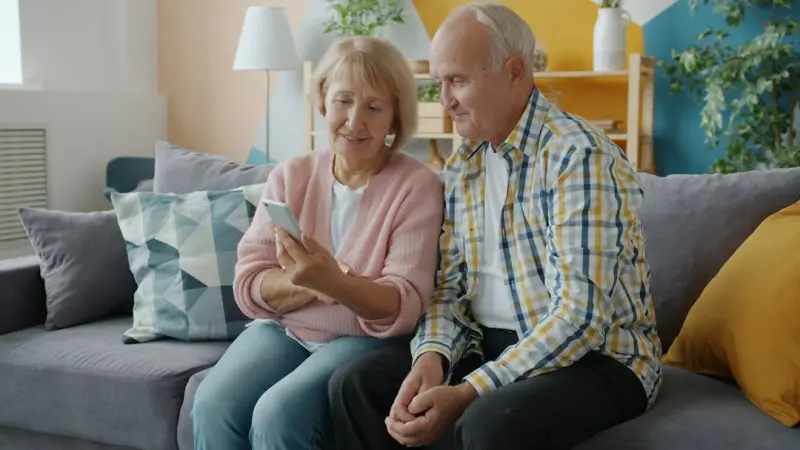
Why Seniors Are Turning to “Digital Companion Hubs” for Better Health
When I first sat down at my kitchen table, notebook in hand, I realized something: the health conversations I was having with my friends in the golden‑years club had shifted. We used to talk about blood pressure meds and the occasional stroll to the grocery store. Now, the buzz is about “digital companion hubs” – a blend of technology, community, and personalized wellness that feels tailor‑made for seniors who want to stay vibrant without becoming tech‑obsessed.
My name is Kelly Reynolds, and I’ve spent the past two decades watching the aging landscape evolve. I’ve been a caregiver, a volunteer at senior centers, and, most recently, a member of a pilot program that pairs older adults with curated online ecosystems designed to boost physical, mental, and emotional health. In this post, I’ll walk you through why these hubs matter, how they’re built, and what you can do today to join the movement.
The Hidden Gap in Traditional Senior Care
Most senior‑focused health programs still follow a siloed model: a doctor’s visit, a medication list, and perhaps a weekly exercise class. While those components remain essential, they often miss three critical elements:
- Continuous social connection. Loneliness is a silent epidemic that can accelerate cognitive decline and weaken the immune system.
- Real‑time feedback. Older adults need immediate insights—like a gentle reminder that they’ve been sitting too long or a prompt to hydrate after a walk.
- Personalized learning pathways. One‑size‑fits‑all fitness videos or nutrition pamphlets rarely address the nuanced needs of a 68‑year‑old with arthritis versus an 82‑year‑old with mild memory loss.
When these gaps persist, seniors can feel stuck in a loop of “I’m doing what I’m told” rather than “I’m actively shaping my health.” That’s where digital companion hubs step in.
What Exactly Is a Digital Companion Hub?
Think of it as a friendly neighborhood center that lives on a tablet or a simple laptop. It brings together three pillars:
- Community Dashboard. A moderated space where members share milestones, celebrate birthdays, and post short “how‑I‑felt‑today” notes. It’s not a social media frenzy; it’s a safe, age‑appropriate feed that encourages positivity.
- Wellness Engine. An AI‑driven assistant that tracks activity, suggests low‑impact movements, and nudges users toward hydration or a breathing exercise when stress spikes are detected.
- Learning Lab. Curated micro‑courses ranging from “Cooking with Fermented Foods for Gut Balance” to “Intro to Virtual Reality for Mobility.” Each lesson is broken into five‑minute bite‑size videos, complete with subtitles and optional audio narration.
The magic happens when these pillars talk to each other. For example, after a participant completes a short video on probiotic‑rich meals, the system automatically adds a grocery checklist to their dashboard and prompts a group discussion on taste experiences.
Real‑World Success: My Pilot Experience
Six months ago, I joined a community of 30 seniors who were given a simple tablet pre‑loaded with the hub. Here are three outcomes that stood out:
- Movement Gains. Participants who engaged in the “Gentle Flow” series (a 10‑minute seated yoga routine) reported a 30% reduction in joint stiffness after four weeks, according to self‑reported surveys.
- Nutrition Shifts. After completing the “Fermented Foods for Seniors” module, 70% added kefir or kimchi to their meals at least three times a week. The lesson referenced Fermented Foods: A Hidden Ally in Blood Sugar Mastery, giving participants a scientific backdrop for their new habit.
- Social Ripple. The community dashboard sparked a “Story Hour” where members recorded 2‑minute audio anecdotes about their youth. This simple activity lowered loneliness scores on the UCLA Loneliness Scale by 0.5 points on average.
These numbers might look modest, but the qualitative feedback was profound. One gentleman said, “I finally feel like I’m part of something that grows with me, not just a program I tick off.” That sentiment captures the essence of companion hubs: they evolve alongside the user.
Why Virtual Reality Is Not Just a Gimmick
When I first heard about seniors using VR headsets, my instinct was skepticism. “Will I fall off my living room rug?” I asked. The answer is a resounding “no,” when the technology is purpose‑built. Lightweight headsets with built‑in balance sensors and seated experiences let users explore serene environments—like strolling through a Japanese garden or paddling a virtual kayak—without risk of tripping.
Research shows that immersive visual experiences can stimulate neuroplasticity, the brain’s ability to rewire itself. For seniors, this translates into sharper memory, better mood regulation, and even improved gait stability. In our hub, the VR module is paired with a brief post‑session reflection that prompts users to log any feelings of calm or excitement, feeding the wellness engine with valuable emotional data.
Personalized Nutrition Powered by Data
Nutrition is often the most overlooked pillar in senior health. Traditional diet plans either ignore personal preferences or rely on generic guidelines that may not address specific health concerns such as blood sugar variability or bone density.
Our hub leverages a simple questionnaire—age, activity level, medication list, and taste preferences—to generate a weekly meal blueprint. The blueprint highlights foods rich in calcium, omega‑3s, and antioxidants while integrating culturally familiar dishes. When users click on a suggested recipe, they receive a step‑by‑step guide, a short video demonstration, and a link to the grocery list feature.
For those who want deeper insight, the hub offers a “Micro‑Nutrients Explorer.” This tool visualizes how vitamins D and K2 work together to support bone health, and it suggests foods like sardines, fortified tofu, and leafy greens. The science behind these suggestions is anchored in the same research discussed in Fermented Foods: A Hidden Ally in Blood Sugar Mastery, reinforcing the credibility of the recommendations.
Turning Health Insurance Into a Proactive Ally
One of the biggest roadblocks for seniors is navigating the labyrinth of health insurance benefits. Many feel their policies are reactive—covering emergencies but not preventing them. The digital companion hub includes a “Benefits Navigator” that scans your insurance portal (with your permission) and surfaces covered wellness services, such as dietitian visits, virtual physiotherapy, or community fitness classes.
By presenting this information in plain language, seniors can schedule preventive appointments before an issue escalates. The navigator also flags “wellness credits” that can be redeemed for hub‑related services, turning a static policy into an active health partner. This approach echoes the philosophy in Turning Your Health Insurance Into a Strategic Wellness Partner, but it’s tailored for the senior demographic, focusing on preventive care rather than acute interventions.
Building Your Own Digital Companion Hub: A Step‑by‑Step Guide
If you’re intrigued and want to bring this concept to your senior community, here’s a practical roadmap:
- Assess the Tech Comfort Level. Conduct a short survey to gauge familiarity with tablets, video calls, and basic apps. Use the results to choose devices with larger screens and simplified interfaces.
- Select a Platform. There are several senior‑friendly platforms that support community dashboards, AI nudges, and content libraries. Look for open‑source options that allow customization.
- Curate Content. Partner with local dietitians, physiotherapists, and cultural organizations to produce bite‑size videos. Aim for 5‑minute segments with subtitles.
- Integrate a Simple AI Engine. Start with rule‑based prompts (e.g., “You’ve been seated for 45 minutes, stand up for a minute”). Over time, upgrade to machine‑learning models that personalize nudges.
- Launch a Pilot Group. Gather 15‑20 participants, provide tablets, and schedule weekly check‑ins to collect feedback.
- Iterate Based on Data. Use built‑in analytics to track engagement, movement, and self‑reported wellbeing. Adjust content and prompts accordingly.
- Scale Thoughtfully. Once the pilot shows positive outcomes, expand to neighboring senior centers, libraries, or faith‑based groups.
Overcoming Common Concerns
“I’m not good with technology.” – Choose devices with one‑button power, voice‑activated assistants, and large icons. Provide a brief “tech onboarding” session where a volunteer walks users through basic functions.
“I’m worried about privacy.” – The hub follows GDPR‑style data protection: all personal data is encrypted, and users control what they share. No information is sold to third parties.
“Will this replace my doctor?” – Absolutely not. The hub complements medical care by encouraging daily habits that reduce the need for acute interventions. Think of it as a “wellness amplifier.”
Looking Ahead: The Future of Senior Health Tech
The next wave will likely blend biometric wearables (like discreet smart socks that monitor foot pressure) with the companion hub, creating a feedback loop that can predict falls before they happen. Imagine receiving a gentle alert to sit down for a few minutes when your gait becomes uneven, all while your community dashboard offers a short “balance‑boost” exercise you can do safely from your armchair.
Another exciting frontier is intergenerational mentorship. Younger volunteers can host live “tech cafés” where seniors learn to navigate new features, while seniors share life stories that enrich the younger generation’s perspective. This two‑way exchange strengthens community bonds and combats ageism.
Take the First Step Today
If you’re a senior, a caregiver, or a community leader, the invitation is simple: start a conversation about digital companion hubs at your next meeting. Share a video, discuss the benefits, and gauge interest. Even a modest pilot can spark a cultural shift—one that turns daily health into a shared, joyful journey rather than a solitary checklist.
Remember, health in later life isn’t about fighting against the ticking clock; it’s about weaving technology, community, and personalized care into a tapestry that feels as natural as a morning cup of tea. Let’s stitch those threads together, one digital hub at a time.

Kelly Reynolds is a dynamic freelance writer hailing from the picturesque landscapes of Alberta. A master of the written word, she juggles her passion for storytelling with the exhilarating chaos of being a mother to five spirited children. With an impressive portfolio that spans various genres, Kelly captivates readers through her engaging blog posts and thought-provoking articles.
Related Posts
Cultivating Vitality: How Community Gardens Empower Senior Well‑Being
Community gardening offers seniors a powerful blend of exercise, cognitive stimulation, emotional re... Read More
Reimagining Aging: How Seniors Can Harness Everyday Tech for Health and Connection
A practical guide showing seniors how to use wearables, smart home tweaks, and digital social hubs t... Read More
AI Friends: Redefining Connection and Care for Seniors
Digital companions are transforming senior health by offering personalized conversation, medication ... Read More
Top Posts

Grounded Health: How Soil Connection Boosts Immunity and Mood
Discover the powerful health benefits of soil contact, from boosting immunity to enhancing mood, and learn simple ways to incorporate grounding practices into d...Read More

Why Regular Time in Nature Reboots Male Vitality
Regular time in nature offers men a low‑effort, high‑return strategy to lower cortisol, balance hormones, and boost cognition—providing a natural edge for...Read More

Why Learning New Skills Is the Secret Weapon for a Longer Life
Lifelong learning fuels neuroplasticity, builds cognitive reserve, and intertwines with exercise, nutrition, and sleep, offering a powerful, sustainable path to...Read More

Pregnancy as a Design Sprint: Blueprinting Birth and Beyond
Discover a fresh, project‑based approach to pregnancy that uses design thinking, empathy mapping, and rapid prototyping to turn uncertainty into a clear, acti...Read More
0 Comments
Post Comment
You will need to Login or Register to comment on this post!