
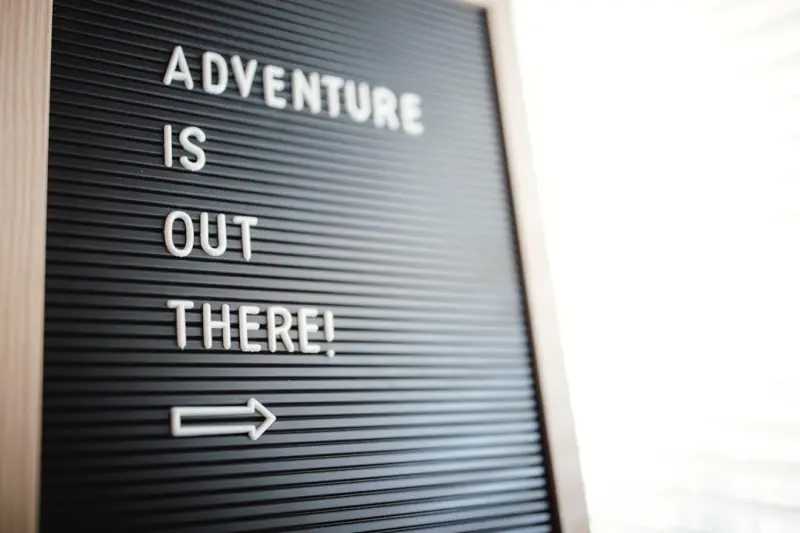
Why Prediabetes Deserves a Bold, Adventure‑First Mindset
When my doctor first mentioned prediabetes, I felt the familiar sting of alarm mixed with a stubborn curiosity. Instead of resigning myself to another list of “do‑this, avoid‑that” directives, I asked myself: what if I turned this warning into a passport for discovery? I began to view each glucose spike as a waypoint on a map, each low as a rest‑stop that offered clues about my body’s terrain. By reframing the condition as a dynamic challenge rather than a static label, I unlocked a well of motivation that made daily choices feel like intentional moves in a larger game. The shift from passive compliance to active exploration transformed my kitchen, my commute, and even my weekend hikes into purposeful experiments, each designed to test how movement, stress, and joy influence my blood sugar. This adventure‑first mindset didn’t erase the medical facts, but it gave them a narrative that I could live inside, turning a potential health crisis into a personal growth expedition.
Mapping Your Daily Landscape: Small Shifts That Echo Big
Every day is a terrain of tiny decisions, and the cumulative effect of those micro‑shifts can rewrite your glucose story. I started by tracking not just meals, but the rhythm of my day: when I sat, when I stood, when I laughed, and when I felt rushed. The moments of genuine laughter—whether a quick joke with a coworker or a spontaneous dance in the kitchen—created brief spikes in adrenaline that actually helped my cells use insulin more efficiently. I paired these joy bursts with short, purposeful walks that acted like “reset buttons” for my metabolism. In practice, a ten‑minute stroll after lunch, followed by a deep‑breathing pause, lowered my post‑meal readings more reliably than any calorie‑counting app I’d tried before. This approach is less about strict rules and more about creating a personal topography where health‑positive habits are woven into the fabric of everyday life, making the journey feel natural rather than forced.
Community Quest: Turning Solo Struggle into Collective Adventure
One of the most unexpected catalysts in my prediabetes reversal was the power of a shared quest. I invited a few friends to join a “30‑Day Glucose Quest,” where we each set a simple, measurable goal—like swapping one sugary drink for infused water or adding a 15‑minute nature walk after dinner. We created a private chat, shared screenshots of our activity trackers, and celebrated tiny victories with virtual high‑fives. The collective accountability turned solitary effort into a communal story, and the friendly competition sparked creativity; one participant turned his balcony into a mini‑herb garden, while another experimented with rhythmic drumming to reduce stress‑induced spikes. The sense of belonging amplified our commitment, and the data showed a measurable drop in average fasting glucose across the group. If you’re feeling isolated in your journey, consider framing your next health goal as a community quest—because shared momentum often outpaces solitary willpower.
Nature as a Laboratory: Seasonal Outdoor Play for Glucose Balance
While many diet‑centric guides focus on kitchen chemistry, I discovered that the natural world offers its own set of variables to experiment with. I began aligning my activity with the seasons—snowshoeing in winter, kayaking in spring, mountain biking in summer, and forest foraging in autumn. Each outdoor pursuit introduced different temperature, altitude, and intensity levels, which in turn taught my body how to adapt its insulin response. For instance, the cool, steady burn of a winter hike encouraged my muscles to become more insulin‑sensitive, while the vibrant, fast‑paced rhythm of summer bike rides helped my liver release glucose more predictably. By treating the seasons as a rotating laboratory, I turned what could be a static routine into a living, breathing study of how environment shapes metabolic health. If you’re curious, check out Seasonal Eating: A Fresh Blueprint for Vibrant Liver Health for complementary insights on how food cycles can synergize with these outdoor experiments.
Storytelling as a Healing Tool: Rewriting the Narrative of Prediabetes
Our brains are wired to respond to stories, not spreadsheets. I began journaling my glucose data as chapters in a larger saga, naming each week after a mythical journey—“The River of Renewal,” “The Mountain of Momentum,” “The Desert of Doubt.” This narrative framing gave each data point emotional context, turning a flat number into a plot twist that I could either celebrate or learn from. When a reading spiked, I didn’t shame myself; I explored the “villain” of that episode—perhaps stress, lack of sleep, or an indulgent meal—and plotted a new strategy for the next chapter. The act of storytelling also helped me communicate more clearly with my healthcare team, as they could see the emotional arcs behind the raw numbers. If you’ve ever felt detached from your health metrics, try turning them into a story you can live and rewrite. It’s a subtle shift, but it turns abstract data into a personal legend you’re eager to improve.
Leveraging Tiny Tech Tweaks Without Becoming a Gadget Slave
Technology can be a double‑edged sword in health management, but I found a balanced path by using a single, purpose‑built tool: a continuous glucose monitor (CGM) paired with a simple smartwatch. Instead of drowning in endless apps, I set up one notification rule—if my glucose rose more than 15 mg/dL within 30 minutes after a meal, the watch buzzed, prompting a brief “mindful pause.” During that pause, I’d take three deep breaths, sip water, and note any emotional triggers. This minimalist approach kept the data actionable without overwhelming me with alerts. The key was to treat the device as a gentle coach, not a micromanaging boss. By limiting the tech to one clear feedback loop, I preserved my autonomy while still gaining the real‑time insights that helped fine‑tune my meals and movement. For those who crave more depth, the post Micro‑Habits to Master Blood Sugar Without Relying on Diet Trends offers additional strategies that complement this tech‑light method.
Crafting a Personal “Glucose Playbook” That Evolves With You
The final piece of my adventure was building a living “Glucose Playbook”—a flexible guide that evolves as my body learns. I structured it around three pillars: Movement, Mood, and Meals. Under Movement, I listed adaptable activities (walk, stretch, dance) with suggested durations based on time of day. Mood included quick stress‑reduction tricks like humming a favorite tune or visualizing a calming scene. Meals were less about strict macros and more about sensory cues—choosing foods that felt vibrant, colorful, and satisfying. Each week, I reviewed my CGM data, noted what worked, and updated the playbook accordingly. This iterative process kept the plan fresh, prevented boredom, and honored the fact that my metabolism isn’t static. By treating the playbook as a dynamic manuscript rather than a rigid rulebook, I maintained excitement and ownership over my health journey, turning prediabetes from a looming threat into an evolving story of empowerment.

Nikki McDonald is a freelancer based in Waterloo. She brings her skills and expertise to various projects, balancing her professional work with a personal life that includes her husband, Stewart.
Related Posts
Gamified Community Challenges: A New Playbook for Prediabetes Prevention
Learn how to use gamified community challenges to transform prediabetes prevention from a solitary t... Read More
Reprogramming Prediabetes: Small Data‑Driven Steps for Big Metabolic Gains
Discover a science‑backed, step‑by‑step plan that uses meal timing, continuous glucose monitor... Read More
Micro‑Habits That Outsmart Prediabetes
Learn how simple, consistent micro‑habits—like hydration cues, fiber‑first meals, and brief mo... Read More
Top Posts
Playful Strength: How Structured Leisure Supercharges Men’s Health
Play isn’t just for kids—intentional leisure triggers brain chemistry, cardiovascular benefits, and stress resilience. This guide shows men how to embed fun...Read More
Harnessing the Unpredictable: How Narcolepsy Can Supercharge Decision‑Making and Innovation
This article reframes narcolepsy’s sudden sleep episodes as micro‑insight generators, offering practical strategies to capture post‑nap creativity, integr...Read More
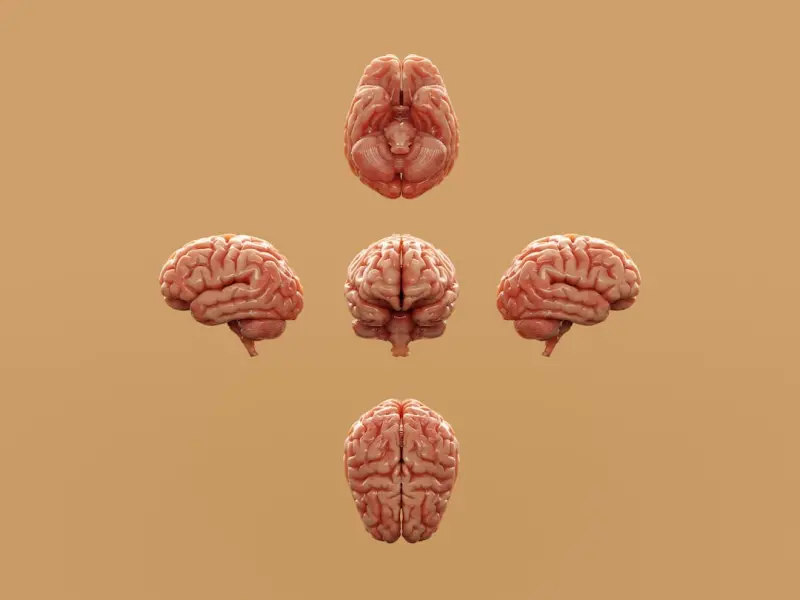
Neuro‑Design: Crafting Spaces That Supercharge Your Brain
Learn practical neuro‑design strategies—from lighting and greenery to movement zones and digital minimalism—that transform any workspace into a brain‑bo...Read More

Listening to the Little Life Within: A Holistic Path to Pregnancy Wellness
A holistic guide to pregnancy, blending mindful mindset, nourishing foods, gentle movement, sleep strategies, and savvy insurance tips for a thriving, stress‑...Read More
0 Comments
Post Comment
You will need to Login or Register to comment on this post!