
When we think about liver health, most of us picture lab tests, supplements, or the occasional detox fad. Yet the liver is an organ that thrives on rhythm, variety, and the subtle cues our environment provides. As someone who’s spent years navigating the crossroads of nutrition, habit design, and wellness storytelling, I’ve learned that the most sustainable liver‑boosting strategies often come from the cycles of the seasons themselves. By aligning our plates, our routines, and our mindset with nature’s calendar, we can give this powerhouse organ the support it needs to detox, regenerate, and keep us feeling vibrant year‑round.
Why a Seasonal Lens Matters for Liver Health
The liver’s primary job is to filter toxins, metabolize nutrients, and produce vital proteins. To do this efficiently, it relies on a steady supply of antioxidants, phytonutrients, and the right balance of macronutrients. Seasonal foods, by virtue of being harvested at their peak, deliver a denser pack of these bioactive compounds compared to out‑of‑season produce that’s been shipped across continents.
Beyond the nutritional content, each season brings a natural shift in our daily patterns—temperature, daylight, activity levels, and even stressors. These shifts send signals to our circadian and metabolic systems, which in turn influence liver enzyme activity and bile production. By tuning into these patterns, we can create “micro‑windows” of support that are both intuitive and scientifically grounded.
Spring: Reboot with Fresh Greens and Gentle Movement
Spring is the liver’s equivalent of a reboot. The earth is awakening, and the liver responds to the influx of chlorophyll‑rich greens and light. Incorporate:
- Leafy crucifers such as kale, arugula, and Swiss chard. Their glucosinolate content supports phase‑II detox pathways.
- Young herbs like dandelion leaf, cilantro, and parsley, which are natural diuretics and help flush excess fluid.
- Light, plant‑based proteins—think pea protein or lentils—to ease the liver’s workload while still providing amino acids for regeneration.
Pair these foods with a gentle movement routine. A 20‑minute walk in the morning sunlight stimulates bile flow, while a brief session of restorative yoga can stimulate the parasympathetic nervous system, which is essential for optimal liver function.
Summer: Harness Heat‑Activated Antioxidants
Summer’s heat intensifies oxidative stress, making it a prime time to bolster the liver’s antioxidant defenses. Focus on:
- Bright berries—blueberries, blackberries, and raspberries—packed with anthocyanins that protect liver cells from free‑radical damage.
- Water‑rich fruits like watermelon and cantaloupe, which aid hydration and support the liver’s filtration capacity.
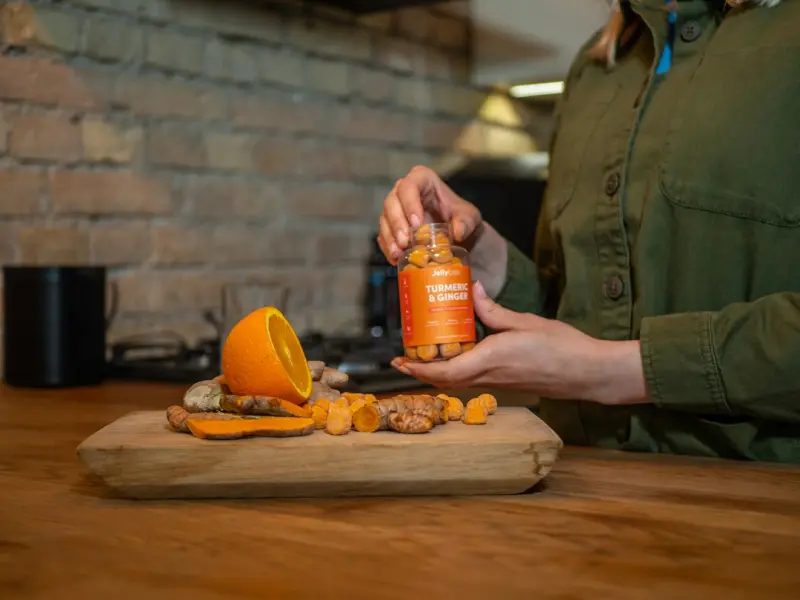
- Spicy herbs such as turmeric and ginger, known for their anti‑inflammatory properties and ability to stimulate bile production.
Summer also invites outdoor activities. Engaging in moderate‑intensity cardio (cycling, swimming, hiking) not only improves cardiovascular health but also enhances hepatic blood flow, ensuring toxins are efficiently cleared.
Fall: Grounding with Root Vegetables and Adaptogens
As days shorten and temperatures dip, the liver benefits from grounding nutrients that support its regenerative phase. Consider:
- Root vegetables like beets, carrots, and sweet potatoes. Their betaine and beta‑carotene content aid methylation—a key detox pathway.
- Fermented foods such as sauerkraut and kimchi. These introduce beneficial probiotics that interact with the gut‑liver axis, improving bile acid metabolism.
- Adaptogenic herbs (ashwagandha, rhodiola) that help modulate stress hormones, indirectly reducing liver strain.
A fall ritual that works wonders is a warm, soothing broth made from bone or mushroom stock, seasoned with garlic and rosemary. This not only provides collagen and glutamine for gut integrity but also supplies the liver with easily digestible nutrients.
Winter: Protective Fats and Mindful Rest
Cold weather slows metabolism, and the liver can become sluggish if we don’t give it the right fuel. Winter is the perfect season for:
- Omega‑3 rich foods—salmon, sardines, chia seeds, and walnuts—because these fatty acids reduce inflammation and support membrane fluidity in liver cells.
- Winter greens like collard greens, Brussels sprouts, and kale, which remain nutrient‑dense even after frosts.
- Warm spices (cinnamon, cloves, cardamom) that have hepatoprotective effects and add comfort without excess sugar.
Rest becomes a strategic ally during winter. Prioritizing 7‑9 hours of quality sleep each night allows the liver’s “night shift” processes—glycogen replenishment and toxin breakdown—to operate at peak efficiency. A nightly routine of dim lighting, a cup of herbal tea, and a short gratitude journal can signal the body to transition smoothly into restorative mode.
Cooking with Intent: Leveraging smart cooking techniques for Liver Vitality
How we prepare our food can be as important as what we eat. Here are three evidence‑backed cooking practices that amplify liver‑friendly nutrients:
- Short, low‑heat sautéing: Over‑cooking cruciferous greens can degrade glucosinolates. A quick 2‑minute stir‑fry retains their potency while making them more digestible.
- Steaming vs. boiling: Water‑soluble vitamins (C, B‑complex) leach out in large volumes of boiling water. Steaming preserves up to 90% of these nutrients, which are crucial for methylation and antioxidant pathways.
- Acid‑marination: Tossing vegetables in a splash of lemon or apple cider vinegar before cooking can boost the bioavailability of polyphenols, making them more accessible to liver enzymes.
When you think of your kitchen as a laboratory, you’ll start to notice the subtle ways temperature, time, and acid balance influence the final nutrient profile of your meals.
Flavor Meets Function: Turning Meals into a creative power‑up
One of the biggest pitfalls in liver‑focused nutrition is monotony. When meals become repetitive, adherence drops. Instead, approach each plate as an opportunity to excite both palate and liver. Here are three practical ideas:
- Seasonal spice blends: Create a “spring detox” mix (dill, fennel, lemon zest) and a “winter protect” blend (turmeric, black pepper, ginger). Sprinkle them on roasted vegetables to amplify both taste and hepatoprotective benefits.
- Color‑coded plates: Aim for at least three distinct colors per meal. This visual cue nudges you toward a diverse phytonutrient intake, covering a broader spectrum of antioxidant activity.
- Interactive dishes: Assemble a “build‑your‑own bowl” with a base of quinoa or farro, topped with seasonal veggies, a protein source, and a drizzle of fermented tahini. The act of constructing the bowl reinforces mindful eating, which has been shown to improve digestion and, by extension, liver function.
Myths That Need a Seasonal Rethink
Myth 1: “Detox teas cleanse the liver overnight.” While herbal teas can support hydration, the liver’s detoxification is a continuous, multi‑phase process that cannot be rushed. Relying on a single tea ignores the importance of consistent nutrient supply and can even cause strain if the tea contains laxative herbs.
Myth 2: “All fats are bad for the liver.” Seasonal fats—think avocado in summer or walnuts in fall—provide essential fatty acids that are integral to cell membrane repair and anti‑inflammatory pathways. The key is to prioritize unsaturated, omega‑rich sources.
Myth 3: “You can ignore liver health if you’re exercising a lot.” Physical activity boosts circulation, but without adequate nutrients (especially during high‑intensity training) the liver can become a bottleneck for recovery. Pair workouts with seasonal nutrient timing for optimal results.
Putting It All Together: A Seasonal Liver Support Checklist
- Spring: Add a green smoothie with kale, parsley, and a splash of lemon each morning. Schedule a 20‑minute nature walk.
- Summer: Snack on a mixed berry bowl with a pinch of turmeric. Hydrate with infused water (cucumber‑mint).
- Fall: Include a beet‑based salad with fermented sauerkraut at lunch. Practice a 5‑minute breathwork session before bed.
- Winter: Rotate omega‑3 sources twice a week (salmon, chia pudding). Establish a consistent bedtime routine with dim lighting.
Remember, the liver doesn’t work in isolation. It’s part of an intricate network that includes the gut, hormones, and even the environment around us. By honoring the seasons, we’re not just feeding the liver—we’re aligning our entire system with nature’s most reliable rhythm.
So next time you head to the farmer’s market, let the calendar guide your choices. Choose the bright greens of spring, the juicy berries of summer, the hearty roots of fall, and the warming fats of winter. Cook them with intention, savor the flavors, and give your liver the seasonal partnership it deserves.

Deb Roberts is a freelancer who writes on various subjects, bringing versatility and depth to her work. Alongside her broad writing expertise, she has a special passion for horses.
Related Posts
Liver Health and Chronic Conditions: A Holistic Approach
The liver plays a vital role in maintaining overall health, and its dysfunction can lead to a range ... Read More
The Quiet Power of Liver Resilience: Future‑Proofing Your Metabolism
A deep dive into liver resilience reveals hidden stressors like indoor air quality and gut imbalance... Read More

Unlocking Liver Resilience: The Hidden Engine Behind Peak Performance
A data‑backed guide shows how modern stressors affect the liver and offers practical steps—timeâ... Read More
Top Posts

Mastering Blood Pressure: A Holistic Guide for 2026
A personal, holistic roadmap for 2026 that blends nutrition, exercise, mindfulness, and community to sustainably manage blood pressure and boost overall vitalit...Read More

The Hidden Economics and Environmental Impact of Smoking and Vaping
A deep dive into the hidden financial and environmental expenses of nicotine habits, offering practical steps to save money, cut waste, and make greener, health...Read More

Design Your Own Home Exercise Playground: Turn Everyday Spaces Into Fitness Zones
Learn to convert everyday household items and spaces into a versatile exercise playground, making movement effortless, playful, and sustainable....Read More

Crafting a Sensory Birth Journey: Curating Sight, Sound, Scent, and Touch for Calm Labor
Tammy French shares a fresh approach to pregnancy by guiding expectant moms to intentionally shape their sensory environment—light, sound, scent, and touch—...Read More
0 Comments
Post Comment
You will need to Login or Register to comment on this post!