

Why Travel Is the Unexpected Catalyst for Prediabetes Reversal
When I booked my first solo backpacking trip, I expected a checklist of visas and packing hacks, but what surprised me most was how the journey forced me to confront the silent grip of prediabetes in real time. The unfamiliar airports, train stations, and street food stalls became a live laboratory where every carbohydrate‑laden bite and every missed step counted, turning a vacation into a high‑stakes experiment in blood‑sugar control. I quickly realized that the very act of stepping out of my comfort zone could either accelerate the disease or, paradoxically, become the very lever that pushes me back into metabolic balance.
Redefining the “Travel Diet”: From Restriction to Exploration
Most travel guides whisper “eat local” as a mantra, but for someone with prediabetes that advice can feel like an invitation to a sugar‑laden trap hidden behind exotic flavors. I started treating each meal as a scouting mission, looking for dishes that offered protein and fiber without the hidden starches that sabotage glucose levels. For example, a traditional Mediterranean mezze plate becomes a treasure trove of chickpeas, olives, and grilled fish, each bite delivering satiety and a steady glucose rise. By reframing the travel diet as an adventure in nutrient discovery, I turned every market stall into a potential ally rather than an enemy.
Leveraging Meal Timing and Rhythm on the Road
One of the biggest surprises on the road was how the rhythm of my meals could sync with the clock of an unfamiliar city, stabilizing my blood sugar despite erratic schedules. I adopted a flexible 4‑hour eating window that aligned with local lunch and dinner times, allowing a natural fasting period that kept insulin spikes in check. Even when I missed a planned snack, the body’s adaptive response was more forgiving because the overall pattern remained consistent. This intentional timing turned time zones from a source of chaos into a structured ally, proving that rhythm is as portable as a passport.
Movement as a Travel Companion: Turning Sightseeing into Exercise
Walking through historic districts, climbing ancient steps, and chasing sunrise hikes became more than sightseeing—they evolved into purposeful movement sessions that helped my muscles become better glucose sinks. I set a simple rule: for every hour of sitting—whether on a plane or in a café—I’d log at least ten minutes of purposeful movement, whether it was a brisk walk to the next museum or a quick bodyweight circuit in my hotel room. This micro‑exercise habit not only boosted my insulin sensitivity but also enriched my travel experience, turning fatigue into a sense of purposeful exploration.
Stress Management on the Move: The Hidden Glucose Villain
Travel inevitably throws curveballs—lost luggage, language barriers, and missed connections—that spike cortisol and, consequently, blood sugar. I adopted a portable mindfulness kit: a short guided breathing app, a pocket‑sized journal, and a mantra that reminded me, “Stress is a visitor, not a resident.” By pausing for three deep breaths before boarding a crowded train, I could lower my heart rate and blunt the cortisol surge that would otherwise send glucose soaring. This simple practice became my travel insurance, protecting my metabolic health without needing a clinic.
Tech Tools Beyond the Numbers: Harnessing Real‑Time Data and Community Support for On‑The‑Go Decisions
While many travelers rely on generic health apps, I discovered that integrating real‑time glucose monitors with community‑driven alerts transformed my decision‑making in unfamiliar restaurants. When my smartwatch flagged a rising trend, a quick tap opened a community forum where fellow travelers shared low‑glycemic menu hacks for the very city I was in. This blend of data and peer insight turned a potential crisis into a collaborative solution, reinforcing the idea that technology’s greatest power lies in its ability to connect us to lived experiences, not just numbers.
Financial Planning for the Prediabetic Explorer
Unexpected medical expenses can quickly drain a travel budget, especially when glucose‑testing strips or specialty foods are needed abroad. I approached this challenge like any other travel expense: I set aside a modest “health buffer” in my travel fund, researched local pharmacy costs ahead of time, and even negotiated bulk purchase discounts for test strips at my destination’s main pharmacy. By treating health supplies as essential gear—like a travel adapter—I ensured that my metabolic safety net never compromised the adventure itself.
Mindful Indulgence: Turning Treats into Strategic Wins
One of the most rewarding parts of travel is tasting the local sweets, but for a prediabetic, indulgence must be strategic rather than forbidden. I adopted the “two‑bite rule”: savor the first bite fully, then pause to assess hunger cues before deciding on a second bite. Coupled with a splash of protein—like a handful of nuts or a slice of cheese—the sugar load is tempered, allowing me to enjoy the cultural experience without derailing my glucose goals. This mindful approach respects both my health and the culinary heritage I’m privileged to explore.
From Traveler to Trailblazer: Making Prediabetes Management a Lifestyle Legacy
Each trip reinforced a powerful truth: the tools we develop to manage prediabetes at home are just as effective—if not more so—when we take them into the world. By weaving meal timing, movement, stress hacks, and community tech into the fabric of travel, I transformed a potential health obstacle into a catalyst for lasting change. The next time you zip up your suitcase, remember that the journey ahead isn’t just about destinations; it’s an invitation to rewrite your metabolic story, one mile and one mindful bite at a time.

Tom Ferguson is a Canadian freelance writer with a passion for storytelling, current events, and thoughtful commentary. Drawing on years of writing experience, he shares engaging insights on a wide range of topics, bringing a uniquely Canadian perspective to his work.
Related Posts
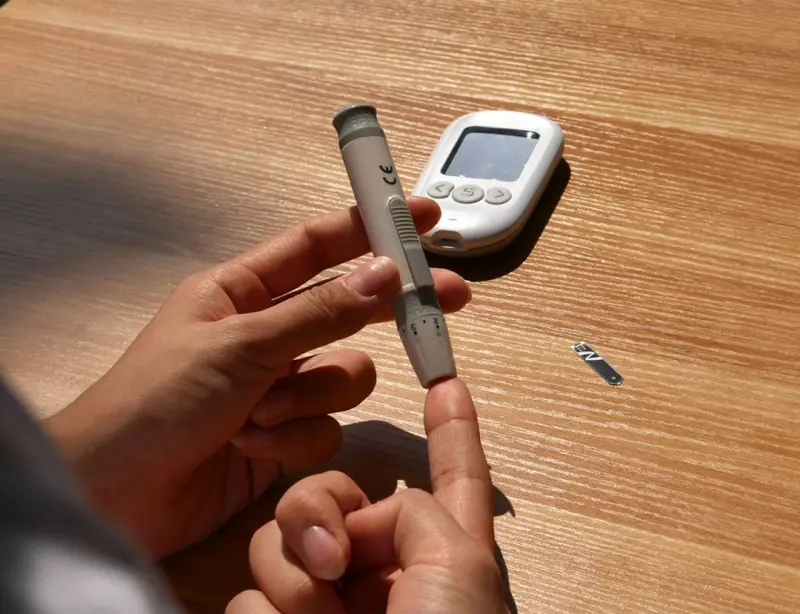
Prediabetes as a Strategic Pivot: Turning a Health Warning into a Performance Upgrade
Treat prediabetes as a strategic pivot: reframe the label, build real‑time feedback loops with wea... Read More

Turning Prediabetes Into an Adventure Blueprint
A personal adventure‑first guide transforms prediabetes into a dynamic journey, using community ch... Read More

How Mindful Stress Management Can Flip the Prediabetes Switch
Learn how mindful stress reduction, strategic meal timing, movement, and community support can rever... Read More
Top Posts
Unscripted Movement: Turning Everyday Moments into Powerful Workouts
Learn to transform ordinary moments—stairs, benches, city streets—into high‑intensity “movement sprints” that revitalize your body, spark joy, and kee...Read More
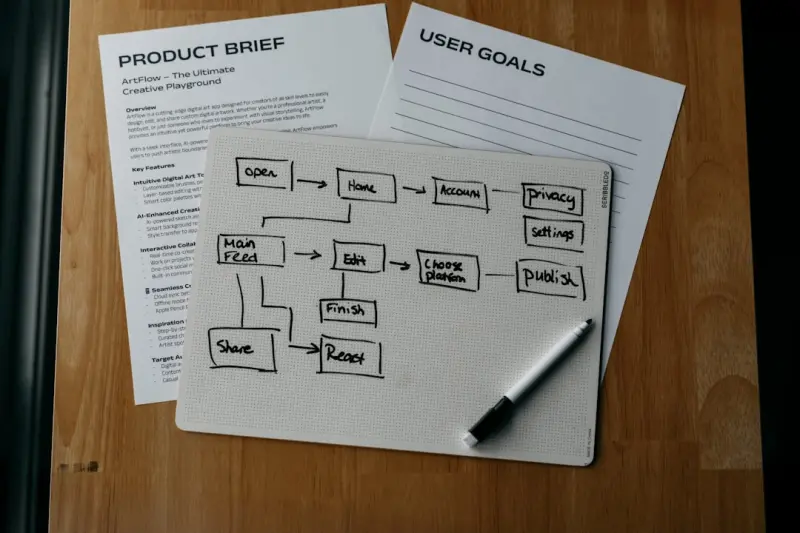
Glucose as a Strategic Asset: A Professional’s Blueprint for Energy Stability
Discover a fresh, business‑focused framework for stabilizing blood sugar, using accountability networks, data integration, and meal design to boost productivi...Read More

Seasonal Gardening: A Fresh Path to Healthy Aging
Seasonal gardening offers a unique blend of low‑impact exercise, cognitive stimulation, vitamin D exposure, gut‑friendly nutrition, and community connecti...Read More

Cold Exposure: The Underrated Secret to Men’s Health and Performance
Explore the science and practical steps behind using cold exposure to improve men’s vitality, hormone balance, and mental resilience....Read More
0 Comments
Post Comment
You will need to Login or Register to comment on this post!