

Why Gamified Community Challenges Are the Secret Weapon Against Prediabetes
When I first heard the term “prediabetes” I thought of lab reports, glucose meters, and endless lists of dietary restrictions. Over the past decade I’ve watched the conversation drift toward data dashboards, tiny habit hacks, and even high‑performance glucose timing. Those are powerful tools, but they often feel like solitary missions. The missing piece? A vibrant, game‑inspired community that turns the daily grind of blood‑sugar management into a shared adventure.
From Solo Sprint to Team Relay
Most of us approach health as a personal project. We set reminders, log meals, and track metrics on our phones. That mindset works for short‑term goals—think “lose five pounds in a month.” But prediabetes is a chronic, low‑grade condition that thrives on complacency. The hidden levers of prediabetes are many, and they rarely shift dramatically in isolation. What if we borrowed the social dynamics that make online games addictive and applied them to our metabolic health?
The Science Behind Gamified Health
Behavioral economics tells us that people respond to three core motivators: social proof, immediate reward, and clear progression. In a well‑designed game, these elements are baked in:
- Leaderboards provide instant social proof—if your peers are hitting step goals, you feel the nudge to keep up.
- Badges and points deliver micro‑rewards that celebrate small wins, reinforcing the habit loop.
- Levels and quests map out a visible path from “just learning” to “mastering” a behavior.
When these mechanics are layered onto prediabetes management—walking more, choosing low‑glycemic snacks, timing meals around activity—they transform a drab checklist into a compelling storyline.
Designing a Community Challenge That Actually Works
Below is a blueprint I’ve refined through pilots with tech startups, health insurers, and a handful of corporate wellness teams. The framework is intentionally modular: you can start with a single element (like a points system) and expand to full‑scale quests as momentum builds.
1. Define a Clear, Measurable Goal
Instead of the vague “lower A1C,” choose a concrete metric that can be tracked daily or weekly. Examples:
- Average daily step count ≥ 8,000 steps.
- Weekly “low‑glycemic meals” count ≥ 5.
- Monthly reduction of fasting glucose by 5 mg/dL.
These goals should be attainable yet stretch participants just enough to feel a sense of achievement when they succeed.
2. Build a Simple Scoring Engine
Assign points for each action that moves the needle on your chosen metric. Keep the math transparent—people are far more likely to engage when they understand exactly how their choices translate into scores.
- 10 points per 1,000 steps above baseline.
- 15 points for every low‑glycemic meal logged.
- 20 points for a fasting glucose reading under 100 mg/dL (verified via a connected glucometer).
To avoid “gaming the system,” incorporate caps (e.g., max 200 points per day) and random audits.
3. Leverage Social Structures
Divide participants into small squads (3‑5 members) that compete against other squads. Within squads, members can trade “boosts”—for instance, one person might share a favorite fiber‑rich recipe to earn a 30‑point bonus for the entire team.
Public leaderboards (or private ones, depending on privacy preferences) spark healthy rivalry. Celebrate weekly “Top Squad” winners with digital badges that appear next to their usernames in the community portal.
4. Integrate Real‑World Rewards
Points can be exchanged for tangible benefits: a free nutrition consult, a discount on a fitness tracker, or even a contribution toward a health‑savings account. This bridges the gap between virtual achievement and real‑life impact, reinforcing the behavior loop.
5. Provide Real‑Time Feedback
Instant notifications—“You just earned 50 points for hitting your step goal!”—keep the dopamine surge alive. Pair this with brief, data‑driven insights like, “Your average post‑lunch glucose dropped 8 % after you added a side of roasted chickpeas.”
Case Study: A Mid‑Size Tech Firm’s 12‑Week Challenge
One of my recent collaborations involved a 250‑employee software company that wanted to reduce its rising healthcare costs tied to prediabetes. Here’s how the challenge unfolded:
- Kickoff Webinar: A short, energetic session explained the scoring system and introduced the “Glucose Guardians” squads.
- Data Integration: Employees synced their wearable step trackers and Bluetooth‑enabled glucometers to the challenge platform.
- Weekly Themes: Each week spotlighted a specific habit—Week 1 “Fiber Focus,” Week 2 “Move More,” Week 3 “Stress Reset.” Bonus points were awarded for completing theme‑related tasks.
- Reward Structure: Top squads earned a corporate “wellness day” (extra paid time off) plus a $150 voucher toward a health‑focused retailer.
Results were striking:
- Average daily steps rose from 5,200 to 9,300.
- Fasting glucose levels fell an average of 7 mg/dL across participants.
- Employee satisfaction with the wellness program jumped 42 % in post‑challenge surveys.
The secret? Participants weren’t just chasing numbers; they were cheering each other on, swapping recipes, and feeling a collective pride when their squad climbed the leaderboard.
Addressing Common Pitfalls
Even the best‑designed gamified system can stumble. Below are the top three challenges I’ve seen and quick fixes for each.
1. Privacy Concerns
Health data is sensitive. Offer an opt‑in model where participants can choose to keep their metrics private while still earning points. Use anonymized identifiers on public leaderboards (“Player #42”) and ensure all data transmission is encrypted.
2. Burnout From Constant Competition
Not everyone thrives on relentless competition. Introduce “collaboration quests” that reward collective milestones—e.g., “If the entire community logs 10,000 low‑glycemic meals this month, everyone gets a bonus badge.” This balances rivalry with teamwork.
3. Over‑Emphasis on Numbers Over Health
Points should be a proxy for healthier behavior, not the end goal. Periodically remind participants of the bigger picture: reduced risk of type 2 diabetes, better energy levels, and lower long‑term medical costs. Pair the challenge with educational micro‑modules that explain the science behind glucose mastery.
Why Employers Should Invest
Prediabetes isn’t just a personal health issue; it’s a corporate risk factor. The potential savings from preventing progression to type 2 diabetes are substantial. A gamified community challenge can:
- Lower average medical claims related to diabetes management.
- Boost employee morale and retention—people stay longer when they feel their employer cares about their well‑being.
- Generate actionable health data that can inform future wellness initiatives without violating privacy.
Getting Started in 30 Days
If you’re a health‑coach, HR leader, or a proactive individual wanting to launch a pilot, follow this rapid‑action plan:
- Identify a Core Metric: Choose one data point (steps, meals, glucose) that can be captured easily.
- Select a Platform: Use an existing wellness app that supports point systems or build a simple spreadsheet + Slack bot for a low‑tech start.
- Recruit a Champion Squad: Gather 10‑15 enthusiastic participants to test the mechanics and provide feedback.
- Design a Two‑Week Sprint: Keep the initial challenge short to maintain excitement.
- Launch, Iterate, Scale: After the sprint, collect data, tweak point values, add new quests, and roll out to a larger audience.
Remember, the goal isn’t perfection—it’s momentum. Each point earned is a tiny victory that nudges you closer to a healthier metabolic profile.
Conclusion: Turn Prediabetes Into a Shared Quest
We’ve spent too long treating prediabetes as a solitary, clinical problem. By weaving game mechanics, social accountability, and real‑world rewards into a community challenge, we can rewrite the narrative from “I must fight this alone” to “We’re all in this together.” The data shows it works; the human stories prove it’s transformative. So the next time you glance at your glucose meter, ask yourself: Am I playing the game, or am I merely watching it? Let’s choose to play—and win—together.

Tom Ferguson is a Canadian freelance writer with a passion for storytelling, current events, and thoughtful commentary. Drawing on years of writing experience, he shares engaging insights on a wide range of topics, bringing a uniquely Canadian perspective to his work.
Related Posts

When Prediabetes Becomes a Compass for Change
Learn to view prediabetes as a helpful signal, using simple experiments, micro‑journaling, and men... Read More
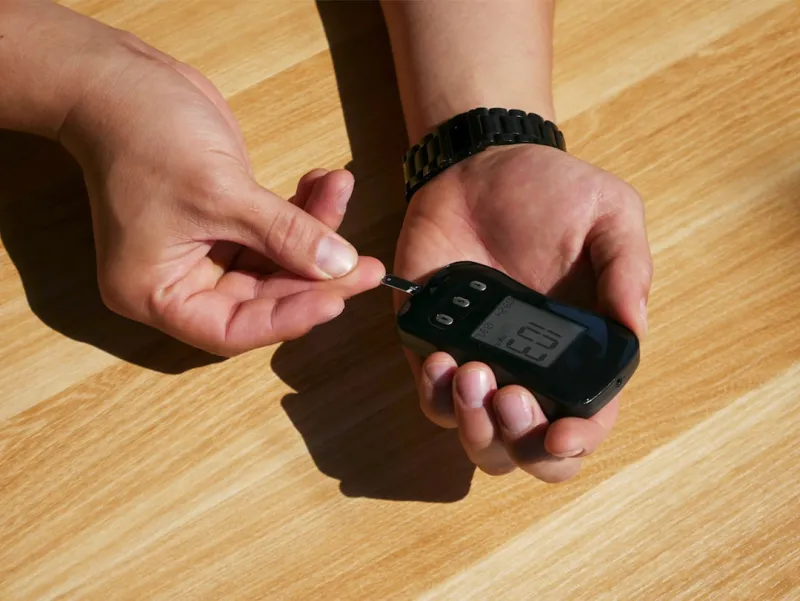
Prediabetes: A Wake-Up Call for a Healthier Lifestyle
Prediabetes is a condition where blood sugar levels are higher than normal but not high enough to be... Read More

The Unseen Toll of Prediabetes on High‑Performance Professionals
Prediabetes quietly affects brain function, stress response, and productivity. This article reveals ... Read More
Top Posts

Navigating Prediabetes: A Holistic Roadmap to Balance and Vitality
I share my journey from a shocking prediabetes diagnosis to a vibrant, balanced life using holistic habits that stabilize blood sugar, boost energy, and empower...Read More

Finding Rest in the Chaos: My Holistic Journey with Insomnia
A personal, holistic guide to overcoming insomnia—combining gut health, mindful exercise, and brain‑care strategies for peaceful nights....Read More
Finding Purpose After Retirement: How Volunteering, Mentorship, and Lifelong Learning Boost Senior Health
Explore the powerful link between purpose and senior health. From volunteer work to intergenerational mentorship and lifelong learning, this guide offers action...Read More

Creative Pathways: Using Art, Music, and Movement to Heal Eating Disorders
Explore the power of creative expression—painting, cooking, music, and digital storytelling—to reshape your relationship with food and foster lasting recove...Read More
0 Comments
Post Comment
You will need to Login or Register to comment on this post!