
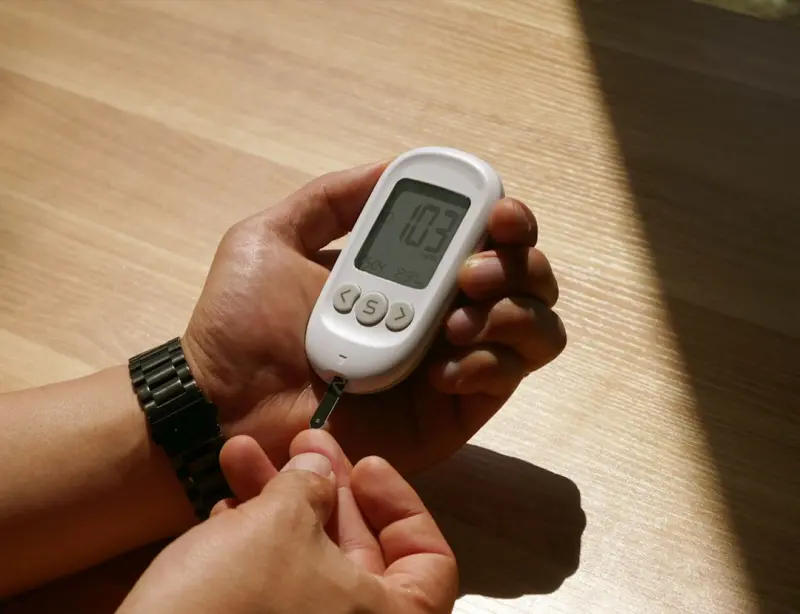
Why Blood Sugar Management is the New Productivity Hack
When I first started tracking my own glucose levels, I expected a boring spreadsheet of numbers. What I got instead was a live, breathing map of how every decision—what I ate, when I moved, even the color of the light in my home office—was nudging my energy up or dragging it down. In the fast‑paced world of high‑performers, a sudden dip in blood sugar can feel like a silent alarm bell: missed deadlines, foggy focus, that dreaded “afternoon crash.” The good news? Those alarms can be silenced, or even turned into proactive signals, with the right blend of data, timing, and food science.
The Glucose Rollercoaster: What Your Body Is Telling You
Blood sugar isn’t a static line; it’s a rollercoaster that reacts to macronutrients, stress hormones, sleep cycles, and even the temperature of the room you’re working in. A spike followed by a rapid dip can leave you feeling jittery, then exhausted—a pattern that many label “the sugar crash.” But if you learn to read the peaks and valleys, you can anticipate the dip before it hits and adjust your next move—whether that’s a quick‑acting snack, a breath‑work session, or a shift in lighting.
What surprised me most was how non‑food factors can masquerade as “food‑induced” spikes. A high‑stakes client call that spikes cortisol, a sudden drop in ambient light that throws off melatonin, or even a lingering sense of anxiety about tomorrow’s presentation can all masquerade as glucose turbulence. Recognizing these hidden drivers is the first step toward true control.
Data‑Driven Insight: Wearables, Apps, and Real‑Time Feedback
Modern wearables have moved far beyond step counts. Continuous glucose monitors (CGMs) now sync with smartphones, delivering a real‑time graph that updates every few minutes. When paired with AI‑powered analytics, the data transforms from raw numbers into actionable insights. For example, a sudden post‑lunch spike may be flagged as “high‑glycemic response,” prompting the app to suggest a low‑impact walk or a high‑fiber snack for the next meal.
One of my favorite tricks is setting predictive alerts. The system learns your personal glucose patterns and nudges you before you hit a dip. I remember a notification pop‑up reminding me to sip a splash of lemon water just 15 minutes before my usual mid‑afternoon slump. The result? A smoother energy curve and a noticeable lift in focus during the crucial last hour of my workday.
To get started, look for platforms that integrate with both CGM hardware and third‑party health apps. The more data points you feed in—sleep duration, stress scores, even light exposure—the richer the algorithm’s recommendations become.
Timing Your Meals with Your Body’s Internal Clock
Chrononutrition, the science of aligning meals with your circadian rhythm, is a game‑changer for glucose stability. Your body’s insulin sensitivity is highest in the morning, gradually tapering off as the day progresses. This means that the same breakfast that fuels a 9 a.m. sprint can become a source of lingering glucose spikes if you eat it at 3 p.m.
My own experiment involved shifting my largest, carbohydrate‑rich meals to the early part of the day and loading my evenings with protein, healthy fats, and low‑glycemic vegetables. Within two weeks, my fasting glucose settled into a tighter range, and I noticed fewer “energy valleys” during late‑night brainstorming sessions.
If you’re new to this approach, start by logging the time of each meal and the corresponding glucose response. After a week, you’ll likely see a pattern: meals consumed after 2 p.m. tend to produce higher post‑prandial spikes. From there, experiment with moving those carbs earlier or swapping them for fiber‑rich alternatives.
The Power of Low‑Glycemic, Fermented Foods
Fermented foods—think kimchi, sauerkraut, kefir, and miso—do more than add a tangy punch to your plate. The live cultures they contain help modulate the gut microbiome, which in turn influences glucose metabolism. While the gut health and glucose control connection is still an evolving field, emerging studies suggest that a diverse microbiome can improve insulin sensitivity and blunt post‑meal spikes.
In practice, I sprinkle a tablespoon of kimchi on my lunchtime salad and sip a small glass of kefir before my afternoon meeting. The result? A steadier glucose curve and a subtle, probiotic‑driven boost to mental clarity. It’s a simple habit that feels like a secret weapon, especially when you’re navigating back‑to‑back video calls.
When introducing fermented foods, start small. A teaspoon of sauerkraut or a quarter‑cup of kefir is enough to test tolerance. Gradually increase the portion as your palate—and gut—adjusts.
Stress, Light, and the Hidden Hormonal Triggers
Stress is the unofficial co‑author of every glucose story. When cortisol spikes, your liver releases stored glucose to prepare for a “fight‑or‑flight” response, even if the only battle you’re fighting is a looming deadline. Light exposure follows a similar script: bright, blue‑rich light in the morning signals wakefulness and improves insulin sensitivity, while dim, amber light in the evening cues melatonin production, helping regulate glucose overnight.
One low‑tech hack that saved me countless afternoon crashes was installing a dynamic lighting system in my home office. By programming a cool‑white hue for the first three hours of work and gradually shifting to a warmer tone in the late afternoon, I aligned my circadian rhythm with my work schedule. The subtle shift not only helped my sleep but also smoothed out the afternoon glucose dip that used to sabotage my focus.
If you can’t afford a smart lighting rig, a simple desk lamp with a warm bulb for evening work can achieve a comparable effect. Pair it with a brief mindfulness routine—just five minutes of deep breathing—and you’ll notice a calmer cortisol profile, which translates directly into steadier blood sugar.
Strategic Snacks: The Sweet Spot Between Fuel and Crash
Snacking is often demonized, yet the right snack at the right time can be a lifesaver for glucose stability. The key is pairing a low‑glycemic carbohydrate with protein and healthy fat. Think apple slices with almond butter, a handful of berries topped with Greek yogurt, or a small portion of hummus with cucumber sticks.
My go‑to “mid‑morning buffer” is a slice of whole‑grain toast topped with avocado and a sprinkle of chia seeds. The fiber and healthy fats slow carbohydrate absorption, preventing a spike that would otherwise lead to a crash an hour later. The trick is to keep the carbohydrate portion modest—roughly 15 grams of net carbs per snack—and let the protein and fat do the heavy lifting.
Putting It All Together: A 7‑Day Blueprint
Below is a practical, data‑backed plan that combines the insights above. Feel free to tweak the timings and foods to suit your personal schedule and preferences.
- Day 1–2: Baseline Tracking – Wear a CGM (or use a finger‑stick device) for 48 hours. Log meal times, types, stress events, and light exposure. Identify your biggest spikes.
- Day 3–4: Chrononutrition Shift – Move your largest carbohydrate meals to before 12 p.m. Replace evening carbs with protein‑rich foods and low‑glycemic veggies.
- Day 5: Fermented Food Introduction – Add a small serving of kimchi or kefir to one meal. Note any changes in post‑meal glucose.
- Day 6: Light Optimization – Set your workspace lighting to cool‑white (4000–5000 K) for the first three work hours, then shift to warm (2700 K) for the remainder.
- Day 7: Predictive Alerts – Enable AI‑driven notifications on your glucose app. Use the alerts to pre‑empt dips with a quick walk, breath work, or a low‑glycemic snack.
At the end of the week, compare your glucose ranges to the baseline. Most high‑performers see a 10‑15 % reduction in peak‑to‑trough variance, translating to smoother focus, fewer cravings, and a measurable boost in productivity.
Remember, the goal isn’t perfection—it’s consistency. By turning glucose management into a series of micro‑optimizations, you create a resilient energy system that can handle the inevitable stresses of a demanding career.
Finally, share your journey with a colleague or a community. Accountability, combined with the transparency of real‑time data, amplifies the impact of every tweak you make. Your body is already sending you signals; it’s time to translate them into strategic actions.
Resources for the Curious
If you’re ready to dive deeper, consider exploring how workplace environments can unintentionally sabotage glucose balance. The insights on workplace culture provide a broader context for the stress‑related spikes discussed above. Pair that reading with the gut‑focused article linked earlier, and you’ll have a well‑rounded toolkit for mastering blood sugar without sacrificing the high‑performance lifestyle you love.

Kelly Reynolds is a dynamic freelance writer hailing from the picturesque landscapes of Alberta. A master of the written word, she juggles her passion for storytelling with the exhilarating chaos of being a mother to five spirited children. With an impressive portfolio that spans various genres, Kelly captivates readers through her engaging blog posts and thought-provoking articles.
Related Posts

The Hidden Climate of Your Office: How Light, Temperature, and Sound Influence Blood Sugar
A practical guide showing how subtle changes to office lighting, temperature, and background sound c... Read More
Taste‑Driven Glucose Management: How Flavor Profiles Can Stabilize Your Numbers
Learn how bitter, umami, and acidic flavors—along with mindful textures—can flatten glucose spik... Read More

Storytelling Your Way to Stable Blood Sugar
Learn how to reframe glucose numbers as a personal story, using allies, plot twists, and daily refle... Read More
Top Posts

Rethinking Women’s Stress Resilience: Small Shifts, Big Impact
A fresh look at women’s stress resilience reveals how tiny daily habits—micro‑movement, nutrient swaps, digital tracking, and community support—can rewi...Read More

When Your Gut Starts Talking: Decoding the Signals for Better Health
Your gut is a constant communicator, sending cues about stress, nutrition, and overall well‑being. This guide teaches you how to decode those signals, build a...Read More

Why the Colors on Your Plate Matter More Than You Think
A vibrant plate isn’t just pleasing to the eye; it’s a powerful tool for hormonal balance. Explore the science behind food colors and get a practical guide ...Read More

Cycle Syncing: Aligning Lifestyle with Your Menstrual Rhythm
Learn to align workouts, nutrition, and mental rest with each phase of your menstrual cycle for lasting energy, mood balance, and holistic well‑being....Read More
0 Comments
Post Comment
You will need to Login or Register to comment on this post!