
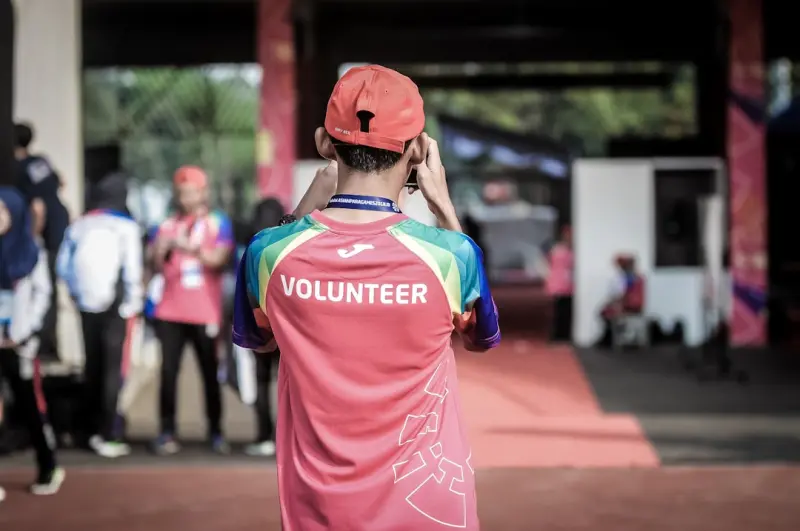
When I first stepped into a community center for seniors, I expected to hear stories about garden clubs, bridge nights, and the occasional gripe about Medicare. What surprised me instead was a buzzing conversation about purpose—how many of us, now past the traditional “work‑until‑retirement” timeline, are actively seeking ways to feel needed, to contribute, and to keep our minds sharp. This isn’t a fleeting trend; it’s a fundamental shift in how we view aging. In this post, I’ll explore why purpose matters for seniors, how volunteering, mentorship, and lifelong learning can become powerful health tools, and practical steps you can take to embed meaning into everyday life.
Why Purpose Isn’t Just a Feel‑Good Buzzword
Research over the past decade has consistently shown that a strong sense of purpose correlates with lower risk of chronic disease, better mental health, and even longer lifespan. The mechanisms are surprisingly concrete:
- Stress reduction: Engaging in meaningful activities triggers the release of endorphins and reduces cortisol, the “stress hormone” that, when chronically elevated, can damage cardiovascular health.
- Social integration: Purposeful pursuits often involve interaction with others, which combats loneliness—a known risk factor for dementia and depression.
- Neuroplasticity: Learning new skills or teaching others stimulates the brain’s ability to rewire, preserving cognitive function well into the eighties and beyond.
- Physical activity: Many purposeful engagements—like community gardening, walking a dog for a local shelter, or assisting in a senior‑center fitness class—naturally increase movement, supporting joint health and metabolic balance.
All of these benefits converge to create a feedback loop: purpose boosts health, better health enables deeper involvement, and deeper involvement reinforces purpose.
Volunteer Work: The Most Accessible Path to Purpose
Volunteering is the classic avenue most people think of, but the variety of roles available today goes far beyond serving soup kitchens. Here are a few ideas that align with common senior interests and physical capabilities:
- Mentorship programs: Pairing older adults with younger professionals or students provides a two‑way exchange of experience and fresh perspectives. Many schools now have “career day” programs that actively recruit retired engineers, teachers, and businesspeople to share real‑world insights.
- Community health outreach: If you have a background in healthcare, consider assisting local clinics with patient navigation, health education workshops, or even remote tele‑support for peers learning to use new health‑tech tools.
- Environmental stewardship: Local parks often need volunteers for planting native species, trail maintenance, or wildlife monitoring. These tasks blend gentle physical activity with a sense of stewardship.
- Arts and culture: Libraries, museums, and senior centers frequently look for volunteers to lead reading circles, art classes, or historical tours. If you have a knack for storytelling, this could be a perfect fit.
When you start, choose something that feels enjoyable rather than obligatory. The goal is to create a sustainable habit that you look forward to each week.
Mentoring Across Generations: A Two‑Way Street
One of the most rewarding ways to infuse purpose into daily life is through intergenerational mentorship. It’s not just about teaching; it’s about listening, sharing, and learning. A recent digital storytelling project for seniors highlighted how older adults who mentored younger participants reported higher satisfaction and sharper memory recall. The simple act of guiding someone through a new technology or a career decision stimulates problem‑solving centers in the brain, much like a mental workout.
Here are three simple mentorship formats you can explore:
- One‑on‑one “coffee chats”: Meet with a high‑school or college student once a month to discuss goals, resume building, or life lessons. Many schools now run “Career Mentor” matching platforms that handle logistics.
- Group workshops: Lead a small class on a skill you excel at—whether it’s woodworking, knitting, or basic coding. The group dynamic fosters community while giving you a platform to shine.
- Online tutoring: With the rise of video conferencing, you can mentor students from the comfort of your living room. Platforms like “Senior Tutors” connect retirees with learners worldwide.
The beauty of mentorship is that it respects the expertise you’ve accumulated while inviting fresh ideas into your life.
Lifelong Learning: Keeping the Brain in Shape
Learning isn’t just for the young. In fact, the brain’s capacity to form new connections—neuroplasticity—remains robust throughout life, especially when stimulated by novel challenges. Here are a few evidence‑backed avenues for seniors to keep learning:
- Language classes: Picking up a new language has been linked to delayed onset of Alzheimer’s symptoms. Community colleges and online platforms often offer beginner courses tailored for older adults.
- Music lessons: Learning an instrument engages multiple brain regions simultaneously—motor, auditory, and emotional centers—offering a comprehensive workout.
- Technology workshops: From basic smartphone navigation to more advanced topics like digital security, staying tech‑savvy reduces the anxiety that can accompany the modern world.
If you’re unsure where to start, consider exploring the rich world of family recipes as a gateway. Cooking classes not only teach new techniques but also weave cultural history into each dish, making the learning experience both sensory and intellectual.
Building a “Purpose Portfolio”: A Simple Framework
Think of purpose as a portfolio you can diversify, much like a financial investment. By spreading your engagement across several domains—social, intellectual, physical—you reduce the risk of burnout and maintain a balanced sense of fulfillment.
Here’s a step‑by‑step guide to creating your purpose portfolio:
- Assess your interests: Write down activities you’ve enjoyed throughout life and those you’ve always wanted to try.
- Identify time slots: Look at your weekly schedule and earmark 2‑4 hours for purposeful activities. Even a half‑hour a day can be powerful.
- Select a mix: Choose at least one activity from each category—volunteering, mentorship, learning, and physical movement.
- Set micro‑goals: Instead of vague “I’ll volunteer more,” aim for “I’ll mentor one student for 30 minutes each week.” Measurable goals increase accountability.
- Reflect monthly: Keep a brief journal (yes, writing can be therapeutic!) to note how each activity made you feel. Adjust as needed.
This framework is adaptable. The key is consistency, not intensity.
Physical Movement as a Companion to Purpose
While purpose drives mental and emotional health, pairing it with gentle physical activity amplifies the benefits. For example, many senior centers organize “walking clubs” where volunteers lead a group through local parks while sharing stories about the area’s history. This simultaneous engagement of body and mind reinforces memory pathways and improves cardiovascular health.
If you’re looking for low‑impact options, consider:
- Chair yoga: Ideal for those with limited mobility; it improves flexibility and breathing.
- Tai chi: A gentle martial art that enhances balance and reduces fall risk.
- Community dance classes: Rhythm and movement together stimulate neural networks linked to coordination and mood regulation.
Pair any of these with a purpose‑driven theme—for instance, “dance to raise funds for a local animal shelter”—and you’ll find motivation to stay active.
The Role of Community Spaces and Digital Platforms
Physical community centers remain invaluable, yet the digital world offers complementary avenues for seniors to find purpose. Platforms like “NextDoor” or “Meetup” host virtual groups centered around book clubs, genealogy research, and hobbyist crafts. By participating online, you can connect with peers who share niche interests, expanding your social network beyond geographic constraints.
When navigating digital spaces, remember to protect your privacy. Simple steps—using strong passwords, enabling two‑factor authentication, and being cautious about sharing personal details—can keep your online experience safe and enjoyable.
Addressing Common Barriers
Even with enthusiasm, seniors often encounter obstacles that can discourage purposeful engagement:
- Physical limitations: If mobility is an issue, look for remote or seated volunteer opportunities. Many nonprofits need help with phone outreach, data entry, or virtual tutoring.
- Technology anxiety: Start with a single, user‑friendly device (like a tablet with large icons). Take advantage of community tech‑help sessions or ask a family member for a brief tutorial.
- Perceived lack of expertise: Remember that life experience is a valuable form of expertise. Even if you feel “out‑of‑date,” your perspective offers insights that younger generations crave.
- Time constraints: Begin with micro‑commitments—5‑minute daily tasks—and gradually increase as you feel comfortable.
By proactively addressing these challenges, you pave the way for sustained involvement.
Success Stories: Real‑World Illustrations
To illustrate the transformative power of purpose, consider these three senior volunteers who recently shared their journeys:
- Maria, 72: After retiring from a career in nursing, Maria began volunteering at a local school’s health education program. Within six months, she reported a noticeable decline in joint pain—attributed to the increased walking she did while escorting students to the playground.
- James, 68: A former accountant, James started mentoring high‑school students interested in finance. He discovered that explaining concepts in simple terms sharpened his own mental arithmetic, and his newfound confidence led him to take up chess, further stimulating strategic thinking.
- Elaine, 80: Elaine joined an online storytelling project that paired seniors with middle‑schoolers. Sharing anecdotes from her youth not only revived cherished memories but also sparked a community blog that now attracts readers of all ages, reinforcing her sense of relevance.
These narratives underscore that purpose isn’t a one‑size‑fits‑all solution; it adapts to individual passions, abilities, and life contexts.
Putting It All Together: Your First Week Plan
Feeling inspired? Here’s a practical 7‑day starter plan to integrate purpose into your routine:
- Day 1 – Reflect: Write down three activities you love and three you’ve always wanted to try.
- Day 2 – Research: Browse community bulletin boards (both physical and digital) for volunteer opportunities aligned with your interests.
- Day 3 – Reach Out: Contact one organization to express interest; ask about a short‑term, low‑commitment role.
- Day 4 – Learn: Sign up for a free online class—perhaps a beginner’s language lesson or a cooking tutorial.
- Day 5 – Move: Join a walking club or do a 15‑minute chair yoga session while listening to a podcast about a hobby you enjoy.
- Day 6 – Mentor: Schedule a 30‑minute video call with a student or younger adult who could benefit from your expertise.
- Day 7 – Review: Journal about the week’s experiences. Note what felt energizing and what felt taxing. Adjust your plan for the upcoming week.
Remember, the goal isn’t perfection; it’s progress. Even small, consistent actions compound into a richer, healthier life.
Final Thoughts: Purpose as a Lifelong Companion
In my own journey, I’ve discovered that purpose is less about a single grand project and more about the steady cadence of meaningful moments. Each conversation, each lesson taught, each new skill learned adds a brushstroke to the canvas of a vibrant, resilient life. By weaving purpose into our daily tapestry, we not only safeguard our health but also leave an enduring legacy for the generations that follow.
So, whether you’re stepping into a volunteer role, sharing stories online, or simply committing to a weekly walk, know that you’re investing in a future where age is not a barrier but a badge of wisdom—one that fuels both body and mind.

Tammy French is a Montessori Teaching Assistant and freelance writer passionate about education, creativity, and inspiring lifelong learning through engaging content.
Related Posts

Cultivating Health: How Community Gardens Empower Seniors
Community gardens offer seniors a powerful blend of social connection, physical activity, cognitive ... Read More
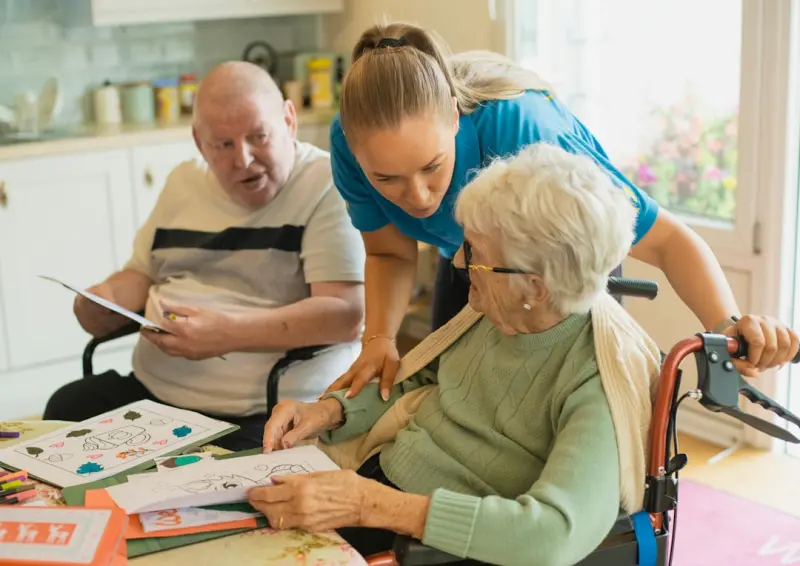
How Senior Volunteerism Supercharges Physical and Mental Well‑Being
Volunteering offers seniors a powerful blend of physical activity, mental stimulation, and social co... Read More
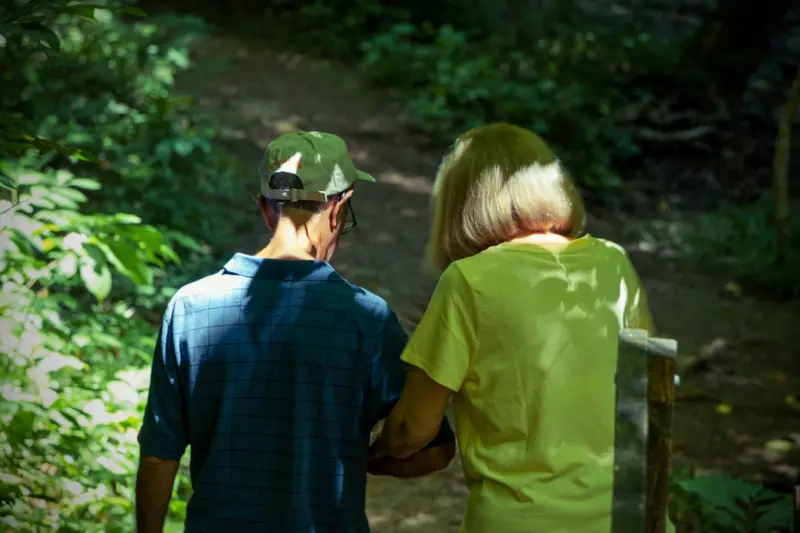
Finding New Energy: How Seniors Can Thrive Through Community Gardening
Explore the holistic benefits of community gardening for seniors—improved mobility, sharper cognit... Read More
Top Posts
Perimenopause at Work: Turning the Change into a Competitive Edge
Perimenopause can affect focus, mood, and energy at work. This article explains the science behind the transition, identifies early signs, and offers practical ...Read More
The Gut-Brain Connection: Unlocking the Secrets to Optimal Gut Health
The gut microbiome plays a critical role in regulating digestion, immune function, mood, and cognitive function. Learn how to prioritize gut health and promote ...Read More
Tammy French’s Holistic Journey: Turning Insomnia Into Insight
Tammy French shares her personal, holistic strategies for conquering insomnia, from nutrition and breathwork to tech boundaries and professional help....Read More
Rewriting the Food Narrative: Community, Creativity, and Nature in Eating Disorder Recovery
Discover fresh, holistic approaches—community kitchens, creative expression, and nature immersion—to rewrite your relationship with food and foster lasting ...Read More
0 Comments
Post Comment
You will need to Login or Register to comment on this post!