
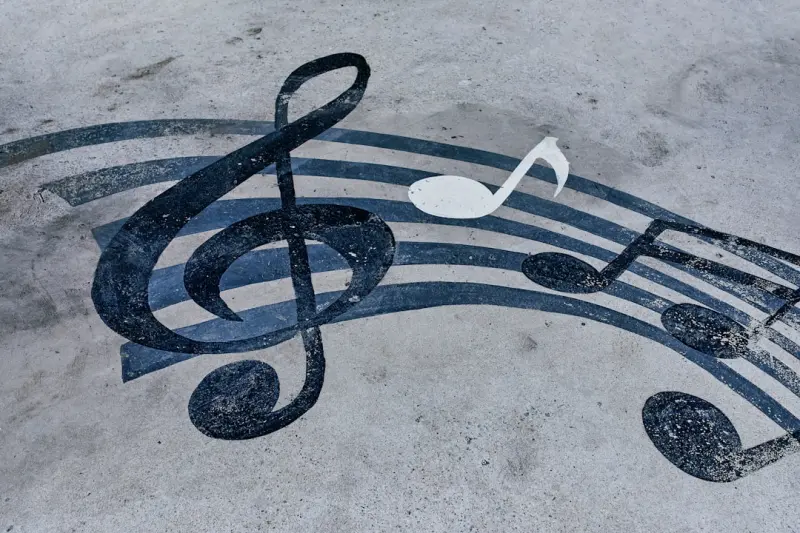
Rewriting the Narrative Through Creative Expression
When I first stepped into the world of eating disorder recovery, the dominant language was clinical and the focus was on calorie counts and body metrics. Creative expression offered an unexpected doorway—a place where my feelings could live beyond the confines of a food diary and become something tangible, colorful, and alive. By allowing art, music, and movement to speak, I discovered a language that honored my experience without reducing it to numbers.
The Neurobiology Behind Art Therapy
Recent studies reveal that engaging in artistic activities stimulates the brain’s reward pathways, releasing dopamine and fostering neuroplastic change that can counteract the rigid circuitry of disordered eating. When we paint or sculpt, the prefrontal cortex—responsible for impulse control and self‑regulation—gets a gentle workout, gradually loosening the grip of obsessive thoughts. This scientific backing transforms creative pursuits from a “nice‑to‑have” into a potent therapeutic tool.
Journaling as a Canvas for the Inner Voice
Putting pen to paper is more than a habit; it is a form of self‑compassionate storytelling that lets you witness your own patterns without judgment. By describing meals, cravings, and emotions in free‑form prose, you externalize the inner monologue, making it easier to spot triggers and celebrate small victories. For those who feel trapped by the silent dialogues highlighted in Unmasking the Silent Dialogues That Drive Disordered Eating, journaling provides a concrete way to rewrite that script.
Cooking as a Creative Performance
Many of us view food solely as fuel or a source of anxiety, yet cooking can become a rhythmic, sensory art form that redefines our relationship with nourishment. Chopping vegetables to a favorite song, plating dishes with intention, and experimenting with flavors engage the senses in a mindful dance, turning the kitchen into a studio rather than a battleground. This approach shifts focus from restriction to exploration, fostering a healthier body image.
Community Art Projects: Shared Spaces for Healing
Participating in collaborative murals, pottery circles, or public installations creates a sense of belonging that counteracts the isolation often felt in recovery. In these shared spaces, the act of creating together validates each person’s story, while the collective outcome stands as a testament to collective resilience. Discover how peer support circles have transformed lives in From Isolation to Connection, and notice the parallel power when the community’s canvas replaces the solitary wall of self‑criticism.
Soundtrack Your Journey: Music as Emotional Anchor
Music has a unique ability to bypass rational analysis and connect directly with the limbic system, the brain region that governs emotions and memory. Curating playlists that reflect different stages of recovery—calm ambient for grounding, uplifting beats for motivation—offers an auditory safety net during moments of temptation. When the body senses rhythm, it often follows, encouraging more intuitive eating patterns and reduced stress.
Digital Storytelling: Podcasts and Video Diaries
In the digital age, sharing your creative process through podcasts or short video journals expands the reach of personal healing and invites supportive feedback from a broader audience. Recording a weekly “creative check‑in” not only holds you accountable but also builds a narrative archive that you can revisit during tough times. This modern form of expression bridges the gap between private reflection and public empowerment.
Three Practical Steps to Start Your Creative Recovery
- Pick a medium that excites you—whether it’s sketching, dance, or baking—and set aside a dedicated 15‑minute slot each day.
- Document the experience in a journal or voice memo, noting emotions before, during, and after the activity.
- Share responsibly with a trusted friend, therapist, or online community to receive encouragement and perspective.
Embracing the Ongoing Canvas of Life
The journey out of an eating disorder is not a straight line; it is a mosaic of moments, each colored by intention, patience, and creativity. By weaving artistic practices into daily life, we give ourselves permission to exist beyond the confines of restriction and to celebrate the body as a partner in expression. Let the brush, the beat, and the bite all remind you that healing is a living, evolving masterpiece.

Brandy Miller is a dynamic freelance writer based in the vibrant city of Cambridge, Ontario. With a passion for storytelling that knows no bounds, she crafts compelling narratives that captivate and inspire. Brandy’s love for writing shines through in her versatile work, whether she’s penning thought-provoking articles or engaging content that resonates with readers. Her unique perspective and friendly tone make her a sought-after voice in the writing community. When she’s not weaving words together, you can find her exploring the beautiful landscapes of Ontario, always seeking new adventures and inspiration for her next piece. Brandy is not just a writer; she’s a creative force, making her mark one word at a time.
Related Posts

How Real‑Time Data Can Spot the Hidden Signals of Disordered Eating
A deep dive into how wearable technology, data analytics, and peer‑driven feedback can identify su... Read More
Beyond the Mirror: Rewriting the Narrative of Eating Disorders
Explore a fresh, holistic perspective on eating disorders that blends science, community support, an... Read More
Beyond the Mirror: Rethinking Eating Disorders in the Digital Age
A deep dive into how digital metrics, social narratives, and workplace pressures fuel eating disorde... Read More
Top Posts
Redefining Longevity: The Quiet Power of Cognitive Flexibility
Explore the science behind cognitive flexibility and its impact on longevity, with practical strategies to train your brain, improve health metrics, and harness...Read More

Walking Meetings: The Hidden Catalyst for Healthier Bodies and Sharper Minds
Walking meetings turn ordinary agendas into kinetic health boosters, enhancing cardiovascular health, cognitive function, and team cohesion—all backed by simp...Read More

Listening to the Heartbeat of Her Health: A Fresh Look at Women’s Cardiovascular Wellness
A deep dive into women’s cardiovascular health reveals hidden risks and tailored strategies—from hormone‑linked symptoms and gut‑microbiome insights to ...Read More
Unlocking Hidden Levers: How Everyday Micro‑Habits Accelerate Fat Loss
A practical guide to using everyday habits like lighting, posture, breathwork, and social accountability to create metabolic momentum and support sustainable we...Read More
0 Comments
Post Comment
You will need to Login or Register to comment on this post!