
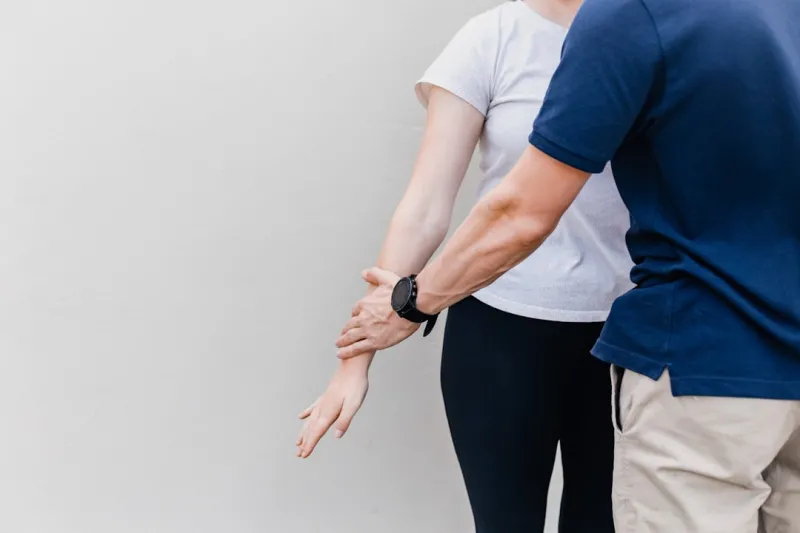
Why Physiotherapy Belongs at the Heart of Holistic Health
When I first stepped into a physiotherapy clinic, I expected a handful of stretches and a prescription for a foam roller. What I discovered instead was a philosophy that treats the body as an interconnected system, where movement becomes medicine and every joint, muscle, and breath pattern contributes to overall vitality. Over the years, I’ve learned that a truly holistic approach doesn’t isolate the back from the gut, the mind from the muscles, or the morning routine from the night’s rest. By embracing physiotherapy as a daily practice rather than an occasional fix, I’ve been able to rewrite my own narrative of pain, fatigue, and limited mobility. The shift from “reactive treatment” to “proactive wellness” has transformed how I greet each sunrise, turning simple actions—like rolling out of bed or reaching for a coffee mug—into deliberate, healing opportunities. In this article, I’ll walk you through the strategies that have helped me turn movement into everyday wellness, and show how integrating breath, core stability, and mindful habits can create a ripple effect of health that touches every aspect of life.
My Personal Journey: From Injury to Integrated Movement
It all began after a marathon mishap left me with a stubborn knee ache that refused to fade despite weeks of icing and rest. Traditional “fix‑it” methods offered temporary relief, but the discomfort kept resurfacing, reminding me that the underlying issue was still unresolved. I turned to a physiotherapist who emphasized a holistic framework—one that examined posture, breathing patterns, and even my emotional response to pain. Together, we mapped out a program that blended targeted strengthening, mobility drills, and mindful breathing exercises. Within months, the pain dulled, and I felt a renewed sense of agency over my body. The experience taught me that physiotherapy is not a one‑off event; it is a lifestyle. By committing to daily micro‑movements—like ankle circles while brushing teeth or gentle thoracic rotations during screen time—I cultivated a body that moves with ease and purpose. This personal transformation inspired me to share the lessons I’ve learned, hoping readers will see physiotherapy as an everyday ally rather than a last‑resort remedy.
Movement as Medicine: Core Principles for Daily Practice
The cornerstone of my holistic physiotherapy routine is the belief that small, intentional movements can prevent the big aches that many of us dread. I start each day with a 5‑minute “wake‑up flow,” which includes cat‑cow articulations, shoulder rolls, and hip hinge drills that awaken the spine and activate the glutes. These movements are designed to counteract the hours spent hunched over a laptop, reducing compression in the lumbar region before it even begins. Throughout the day, I sprinkle in micro‑breaks—standing to stretch, walking a few steps, or performing a seated leg extension—to keep blood circulating and joints lubricated. The key is consistency; the body thrives on predictable patterns, and these tiny habits signal to the nervous system that movement is safe and expected. Over time, the cumulative effect of these practices not only eases chronic tension but also improves proprioception, making everyday tasks feel smoother and more coordinated.
Breath Work and Core Stability: The Dynamic Duo
Breathing is often overlooked in physiotherapy, yet it is the gateway to core engagement and spinal stability. I teach clients to synchronize diaphragmatic breaths with core activation—inhale deeply, allowing the belly to expand, then gently draw the navel toward the spine on the exhale. This simple pattern engages the transverse abdominis, providing a natural brace for the lower back during lifting or bending. Incorporating breath work into movement amplifies the benefits of each exercise, creating a feedback loop where the nervous system learns to recruit stabilizing muscles automatically. For those battling stress‑related tension, the rhythmic nature of this practice also calms the sympathetic nervous system, reducing cortisol spikes that can exacerbate musculoskeletal pain. By turning breath into a tool for both physical and mental equilibrium, I’ve witnessed clients transform frail, hesitant movements into confident, fluid actions that support long‑term health.
Everyday Tools: From Foam Rollers to Kitchen Counters
You don’t need a pricey gym membership to practice holistic physiotherapy; everyday objects become allies in your wellness journey. A foam roller can replace a professional massage, targeting myofascial restrictions in the calves, IT band, and upper back. A sturdy kitchen counter doubles as a support for assisted squats, allowing you to maintain proper alignment while building leg strength. Even a simple tennis ball works wonders for plantar fasciitis, rolled under the foot to release tension. I encourage readers to scan their surroundings for “movement stations”—a chair for seated rows, a hallway for walking lunges, a doorway for thoracic extensions. By integrating these tools into routine moments—waiting for the kettle to boil or standing in line—you transform idle time into therapeutic sessions, reinforcing the habit of movement without carving out extra hours in a packed schedule.
Connecting Movement to Gut Health and Immunity
Our bodies are ecosystems where the gut, immune system, and musculoskeletal network constantly converse. I was amazed to discover that gentle abdominal breathing and core activation can stimulate the vagus nerve, a key player in gut motility and inflammation regulation. When you engage the core with mindful breath, you indirectly promote better digestion and a more resilient immune response. To explore this synergy further, check out the insights in Gut Health Mastery: A Holistic Blueprint for Everyday Vitality, which outlines how movement, nutrition, and stress management intertwine. By viewing physiotherapy through this integrative lens, you’ll see that each stretch or mobilization is not just a local fix but a catalyst for systemic balance, supporting everything from energy levels to skin health.
Mind‑Body Synergy: Reducing Stress Through Physical Flow
Stress is a silent saboteur of musculoskeletal health, often manifesting as tension headaches, tight shoulders, or chronic lower‑back pain. To counteract this, I blend gentle movement sequences with mindfulness cues, encouraging clients to notice sensations, emotions, and thoughts that arise during each stretch. By labeling tension (“I feel tightness in my left shoulder”) without judgment, the brain learns to release the grip of stress hormones on the body. Incorporating short meditation pauses after a mobility set—focusing on the breath for 30 seconds—creates a rhythm that calms the nervous system. Over weeks, this practice reduces baseline cortisol, improves sleep quality, and enhances overall resilience. The result is a body that moves with intention and a mind that remains anchored, allowing you to navigate daily challenges with a steadier, more relaxed demeanor.
Empowering Others: Building a Community of Movement Lovers
One of the most rewarding aspects of my practice is witnessing the ripple effect when individuals share their newfound love for movement. I host monthly “movement circles” where participants exchange favorite mobility drills, success stories, and challenges. These gatherings reinforce accountability, spark creativity, and foster a sense of belonging—key ingredients for long‑term adherence. By creating an online hub where members can post short video clips of their daily routines, we celebrate progress, no matter how small. This community approach mirrors the philosophy in Holistic Physiotherapy: Turning Movement Into Everyday Wellness, emphasizing that wellness thrives when we move together, share insights, and support each other’s journeys toward vibrant health.
Putting It All Together: Your First 30‑Day Movement Blueprint
Ready to transform your day with holistic physiotherapy? Start with a simple 30‑day blueprint: Morning Wake‑Up Flow (5 minutes), Midday Micro‑Breaks (3‑minute mobility sets every 2 hours), and Evening Breath‑Core Routine (7 minutes). Track each session in a journal, noting pain levels, energy, and mood shifts. Celebrate small victories—like reaching a deeper squat or breathing through a tension hotspot. Adjust the intensity as your body adapts, and don’t forget to integrate the everyday tools and community support we discussed. By the end of the month, you’ll likely notice reduced stiffness, clearer mental focus, and a renewed sense of agency over your health. Remember, the goal isn’t perfection but consistency; each intentional movement builds a foundation for lasting wellness that extends far beyond the mat.

Nikki McDonald is a freelancer based in Waterloo. She brings her skills and expertise to various projects, balancing her professional work with a personal life that includes her husband, Stewart.
Related Posts
Holistic Physiotherapy: Turning Movement Into Everyday Wellness
Explore the future of physiotherapy where movement meets mindset, nutrition, and technology—empowe... Read More
Beyond the Clinic: How Digital Tools Are Revolutionizing Physiotherapy
Deb Roberts shares her firsthand experience integrating tele‑physio, wearables, virtual reality, a... Read More

Tech‑Infused Physiotherapy: How Wearables, AI, and VR Are Redefining Recovery
Explore the future of physiotherapy with wearables, AI analysis, and VR rehab, and learn practical s... Read More
Top Posts
The Untapped Power of Preventive Care Benefits: A Guide for Savvy Professionals
Discover practical steps to audit your health insurance, leverage telehealth, and use preventive services effectively, turning coverage into a powerful tool for...Read More

Value-Based Insurance Design: Turning Coverage into a Strategic Health Asset
Value‑Based Insurance Design aligns cost‑sharing with high‑value care, encouraging preventive services and essential treatments while controlling expenses...Read More

Micro‑Rituals for Expecting Mothers: Small Steps, Big Impact
Learn the power of tiny, intentional habits during pregnancy—how a few minutes of mindful breath, gentle movement, and sensory focus can transform your journe...Read More
Why Your Blood Sugar Needs a Calendar, Not a Calculator
Treat blood sugar like a daily rhythm, not a number. Discover timing, stress, light, and social strategies that keep glucose stable and health thriving....Read More
0 Comments
Post Comment
You will need to Login or Register to comment on this post!