
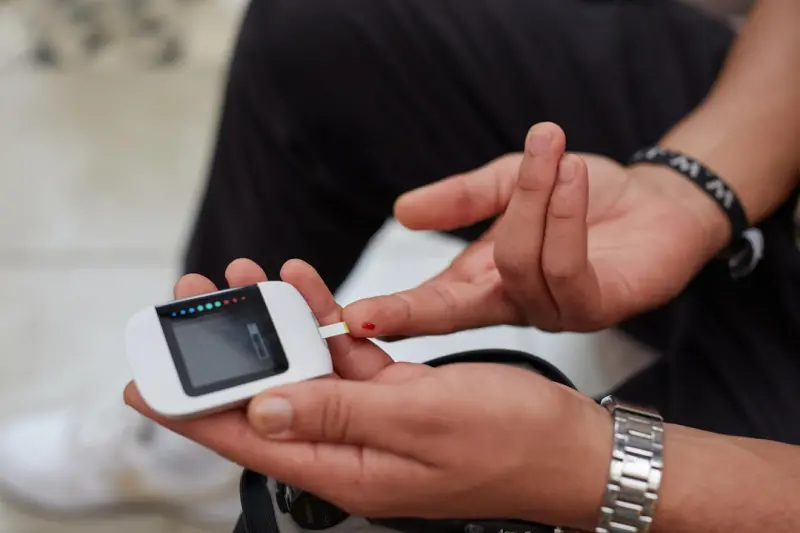
When I first noticed that my post‑lunch energy dip felt more like a roller‑coaster than a gentle slope, I realized I’d been treating blood sugar like a background character in my health story—present, but rarely spoken to. Over the past few years I’ve stitched together a personal system that turns glucose management from a vague medical recommendation into a daily, empowering ritual. In this post I’m pulling back the curtain on the three‑part “Glucose Guardian” framework that blends science, habit‑design, and community, so you can stop guessing and start thriving.
1. The Science‑Backed Core: Understanding the Glycemic Dance
Blood sugar isn’t a static number; it’s a dynamic dance between the foods you eat, the hormones you release, and the activity you move. When carbs hit your digestive tract, enzymes break them down into glucose, which floods the bloodstream. Your pancreas then releases insulin, the key that opens cellular doors so glucose can power muscles, brain cells, and every other tissue.
What trips most people up is the lag between glucose spikes and insulin response. A rapid surge—think sugary soda or a white‑bread sandwich—can overwhelm insulin, leading to a spike‑and‑crash cycle that fuels fatigue, cravings, and, over time, insulin resistance.
Here’s the baseline you need to internalise:
- Fast‑acting carbs (simple sugars) raise blood glucose within 15‑30 minutes.
- Complex carbs (whole grains, legumes) provide a steadier rise over 1‑2 hours.
- Protein & healthy fats slow gastric emptying, blunting peaks.
- Physical movement (even a brief walk) improves insulin sensitivity for hours after.
Armed with these facts, the next step is to design habits that respect the rhythm of glucose rather than fight it.
2. Habit‑Stacking for Glucose Stability
Habit‑stacking—pairing a new behaviour with an existing routine—is a proven method for lasting change. I’ve built three “stackable anchors” around meals, movement, and mindfulness.
Meal‑Prep Anchor: The 10‑Minute “Fiber First” Rule
Before any main dish, I add a high‑fiber starter: a handful of berries, a spoonful of chia seeds, or a small mixed‑green salad. Fiber slows carb absorption, flattening the glucose curve. The trick is to make it automatic: when the timer dings for dinner, the first thing on the plate is always fiber.
Movement Anchor: The Post‑Meal Power Walk
Five to ten minutes after eating, I lace up my shoes for a brisk 5‑minute walk. This simple motion spikes muscle glucose uptake without needing a full workout. I’ve found that a quick loop around the block or a stair‑climb in the office hallway works just as well.
Mindfulness Anchor: The “Glucose Check‑In” Pause
Every two hours I take a 30‑second pause to ask: “How am I feeling? Any cravings? Energy level?” This micro‑check‑in, inspired by the tiny rituals that rewire your brain for calm, helps me catch early signs of a dip before they become a crash. Over time my body learns the language of its own glucose signals.
3. Leveraging the Gut Microbiome
While most of us focus on the pancreas and insulin, the gut microbiome is the silent partner that can tip the balance toward stable glucose. Certain bacterial strains, like Akkermansia muciniphila and Bifidobacterium, produce short‑chain fatty acids that improve insulin sensitivity.
To nurture these allies, I incorporate:
- Fermented foods – kimchi, sauerkraut, kefir (a tablespoon a day).
- Prebiotic fibers – garlic, onions, asparagus, and the occasional chicory root coffee.
- Polyphenol‑rich foods – dark berries, green tea, and yes, the very pigments discussed in Colorful Nutrition.
These foods act like “soil amendments” for your gut, encouraging a thriving microbiome that quietly supports glucose regulation.
4. Digital Allies: Tracking Without Obsession
Data can be a double‑edged sword. I once tried continuous glucose monitoring (CGM) for a month, only to become fixated on every tiny fluctuation. The breakthrough came when I switched to a “trend‑only” dashboard: I look at daily averages and note patterns, not every single spike.
Pair this with a simple habit‑tracker app that logs the three anchors above. The visual cue of a green streak—seven days of “Fiber First,” “Post‑Meal Walk,” and “Glucose Check‑In”—creates a dopamine hit that reinforces consistency.
5. Community Power: The “Glucose Guild”
Managing blood sugar is often seen as a solitary quest, but community can provide accountability, recipe swaps, and emotional support. I started a small Slack channel with coworkers called the “Glucose Guild.” Every week we share:
- One low‑glycemic recipe we tried.
- A success story (e.g., “I avoided an afternoon crash thanks to a 5‑minute walk”).
- A question or obstacle needing collective brainstorming.
The result? A 30% increase in adherence to the “Fiber First” rule after three months, purely from peer encouragement.
6. Integrating Holistic Health Strategies
Blood sugar doesn’t live in isolation. Hypertension, stress, and sleep quality all intertwine. The Holistic Playbook for Taming Blood Pressure reminded me that sodium reduction and stress‑relief practices also smooth glucose curves. When you lower blood pressure with mindful breathing, you simultaneously lower cortisol—a hormone that spikes blood sugar.
So, think of your glucose strategy as part of a broader “well‑being orchestra,” where each instrument—nutrition, movement, gut health, sleep, stress management—plays in harmony.
7. Practical Toolkit: My Everyday Glucose Guardian Checklist
Below is the exact checklist I keep on my fridge. Feel free to copy, customise, and print it.
- Morning: 1 cup of oats + chia + berries (Fiber First)
- Mid‑Morning: 5‑minute walk after breakfast
- Lunch: Salad with mixed greens, nuts, and a protein source
- Post‑Lunch: 5‑minute walk, then “Glucose Check‑In” pause
- Snack: Handful of almonds + an apple (balanced carbs & fat)
- Dinner: Half‑plate vegetables, quarter protein, quarter whole grain
- Evening: 10‑minute gentle stretch + journal “energy & cravings” note
- Weekly: Share a recipe on the Glucose Guild, review trend dashboard
8. Overcoming Common Pitfalls
“I don’t have time for extra walks.” – Remember that a 5‑minute walk is the same as a 15‑minute one in terms of glucose impact. It’s about consistency, not duration.
“I’m too busy to prep fiber‑first meals.” – Batch‑cook overnight oats or keep pre‑washed greens in the fridge for instant access.
“I’m not a data person.” – Skip the apps; use a simple notebook. Write down “Meal + Walk + Check‑In” and mark ✓ each day.
9. The Payoff: What Stable Blood Sugar Looks Like
After three months of following the Glucose Guardian framework, I noticed three measurable shifts:
- Energy: A smoother mid‑day energy curve, with no more “crash” after lunch.
- Focus: Longer periods of sustained concentration at work.
- Weight Management: A modest 3‑lb reduction without deliberate dieting, likely due to reduced insulin spikes.
These aren’t just numbers; they translate into feeling more present at meetings, having the stamina for evening yoga, and sleeping deeper—creating a virtuous loop that reinforces every other habit.
10. Your First 30‑Day Sprint
If you’re ready to try the Glucose Guardian, here’s a quick sprint plan:
- Day 1‑5: Implement the “Fiber First” rule for every meal.
- Day 6‑10: Add the 5‑minute post‑meal walk.
- Day 11‑15: Introduce the “Glucose Check‑In” pause.
- Day 16‑20: Start a simple gut‑friendly food swap (replace one refined carb with a whole‑grain alternative).
- Day 21‑30: Join or create a Glucose Guild, share weekly wins, and review your trend dashboard.
By the end of the month you’ll have three habits firmly entrenched, a community cheering you on, and data that shows you’re moving in the right direction.
Managing blood sugar isn’t about drastic diets or endless monitoring. It’s about weaving small, evidence‑backed actions into the fabric of your day until they become as natural as brushing your teeth. When you respect the rhythm of glucose, you’ll find a steadier energy, sharper focus, and a healthier relationship with food—without sacrificing the joys of life.

Sarah Gray is a proud Canadian who calls Brampton home, where she lives with her husband, Paul. A passionate home cook and gifted storyteller, Sarah loves creating delicious recipes and sharing stories inspired by everyday life, family, and cherished experiences. When she isn't experimenting in the kitchen, she's busy crafting engaging content that reflects her warmth, creativity, and love of connection. Above all, Sarah treasures time spent with her grandchildren, embracing every opportunity to create lasting memories with the people she loves most.
Related Posts

The Hidden Power of Food Timing: Mastering Blood Sugar for Remote Teams
Discover why when you eat matters more than what you eat, with practical timing strategies, tech tip... Read More
Glucose‑Guided Productivity: Turning Blood Sugar Swings into Strategic Wins
Discover how treating blood‑glucose as a performance metric can sharpen focus, improve decision‑... Read More
Spice Up Your Blood Sugar: Everyday Flavors for Stable Glucose
Learn how I transformed my pantry into a blood‑sugar ally, using everyday spices and simple lifest... Read More
Top Posts

Unlocking Brain Health in 2026: Holistic Strategies for a Sharper Mind
Explore 2026’s top holistic strategies—from nutrition and movement to sleep and tech—to sharpen your mind, boost resilience, and thrive with vibrant brain...Read More

Cycle Syncing for Modern Women: Turn Hormones into Your Superpower
Learn how to map, track, and align nutrition, movement, and mindset with each phase of your menstrual cycle, turning hormonal rhythms into a strategic advantage...Read More

Invisible Business Losses From Sleep Apnea—and What Leaders Can Do
Sleep apnea silently harms employee focus, decision‑making, and health, costing businesses billions annually. This article reveals the hidden productivity los...Read More

The Hidden Cost of Vaping: Money, Health, and the Planet
A candid look at vaping’s hidden expenses—from wallet‑draining costs and nicotine’s effect on metabolism to the mounting e‑waste problem—and practic...Read More
0 Comments
Post Comment
You will need to Login or Register to comment on this post!