

When I first heard a friend say, “My blood pressure feels like it’s on a roller coaster,” I realized the conversation was less about numbers and more about everyday rhythm. Managing blood pressure isn’t just a medical checklist—it’s a lived experience that unfolds in the moments we share, the habits we repeat, and the subtle cues we notice in our daily environment. Below, I’m sharing a fresh playbook that leans into community, micro‑habits, and a dash of friendly competition to help you bring steadier numbers into your life.
Social Connection as a Blood‑Pressure Buffer
Research consistently shows that strong social ties can blunt the body’s stress response. When we feel supported, cortisol levels dip, and the sympathetic nervous system eases its grip on our arteries. It’s not just about having a buddy to chat with over coffee; it’s about building intentional, recurring touchpoints that reinforce healthy choices.
- Weekly “Pulse Check” Calls: Schedule a 10‑minute video chat with a friend or family member. Share one win (e.g., a low‑sodium dinner) and one challenge (e.g., a stressful meeting). The act of verbalizing your experience creates accountability and reduces internal tension.
- Community Walking Groups: Walking isn’t merely cardio; it’s a social ritual. A group stroll through a park allows you to burn calories while swapping stories, laughing, and exposing yourself to fresh air—a triple win for heart health.
- Digital Support Circles: If geography is a barrier, consider a private messaging thread or a niche forum where members post daily “blood pressure snapshots” and celebrate incremental improvements.
Habit Stacking: Tiny Tweaks, Big Impact
Habit stacking is the art of attaching a new, health‑focused action to an existing routine. Think of it as slipping a tiny, beneficial nudge into a well‑established behavior loop.
- Morning Hydration + Deep Breathing: As soon as you finish your first glass of water, inhale slowly for four counts, hold for four, exhale for six. This simple breathing pattern helps calm the nervous system before the day’s stressors arrive.
- Post‑Meal Stretch + Sodium Awareness: After lunch, stand up for a 2‑minute stretch while you glance at the nutrition label of your next snack. This pairing reinforces mindfulness around salt intake while keeping you gently active.
- Evening Light Reading + Blood‑Pressure Logging: Keep a small notebook on your nightstand. While you read, jot down your final blood pressure reading of the day (or simply note “steady” if you’re using a home monitor). Over time, you’ll spot patterns without feeling like you’re doing a chore.
Gamified Tracking Without the Gimmick
Technology can be a double‑edged sword, but when it’s used deliberately, it transforms data into motivation.
Many of us already own a smartwatch or a simple fitness band. Instead of tracking steps alone, customize a “Blood Pressure Score” that aggregates three metrics: average systolic reading, minutes of moderate activity, and servings of potassium‑rich foods. The score can be visualized as a simple bar that fills as you meet daily targets.
When you hit a weekly milestone, reward yourself with a non‑food treat—perhaps a new plant for your desk, a short massage, or a local art exhibit ticket. The key is to make the reward meaningful to you, not just another calorie source.
Food Pairings That Quiet the Numbers
While salt reduction is a classic recommendation, there’s a deeper culinary strategy at play: pairing foods to amplify blood‑pressure‑friendly nutrients.
- Beet‑Apple Kombination: Beets supply nitrates that help dilate blood vessels; apples add soluble fiber, which supports cholesterol balance. Blend them into a morning smoothie with a splash of ginger for an anti‑inflammatory boost.
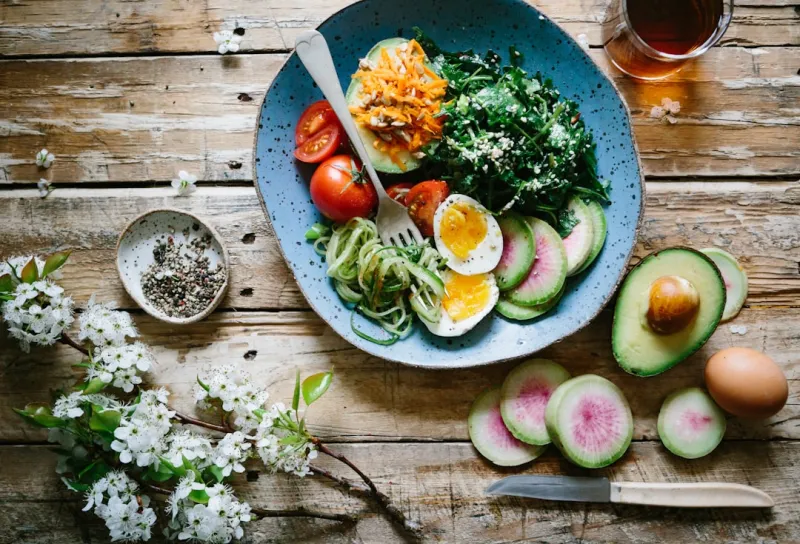
- Leafy Greens + Citrus: Spinach or kale tossed with orange segments and a drizzle of olive oil maximizes vitamin C absorption, which in turn helps protect the lining of blood vessels.
- Yogurt & Walnut Duo: The calcium in yogurt works synergistically with the magnesium in walnuts, both of which play a role in regulating blood pressure.
Think of each meal as a mini‑experiment. The more you practice intentional pairings, the more your palate—and your arteries—adjust to a healthier baseline.
Movement That Fits Your Life, Not the Other Way Around
High‑intensity interval training (HIIT) is often glorified, but for many, it feels intimidating. The goal is simply to move more, and that can be woven into moments that already exist.
Consider the “Three‑Minute Power Reset”: every time you finish a conference call, stand, roll your shoulders back, and perform five slow squats followed by five calf raises. This brief burst lowers heart rate variability and keeps blood flow active throughout the day.
Another low‑impact option is “Desk‑side Tai Chi”. A series of fluid arm circles and gentle weight shifts performed beside your workstation can reduce tension in the shoulders and improve circulation without breaking workflow.
Integrating Community, Habits, and Tracking
Here’s a practical, week‑long blueprint that ties together the concepts above:
- Monday – Launch the Pulse Check: Set up a 10‑minute call with a friend. Share your blood‑pressure goal for the week.
- Tuesday – Habit Stack: Pair your morning water with the 4‑4‑6 breathing exercise.
- Wednesday – Gamified Mid‑Week Review: Update your Blood Pressure Score and celebrate a small win (e.g., +5 points).
- Thursday – Food Pairing Experiment: Try the beet‑apple smoothie and note how you feel afterward.
- Friday – Movement Reset: Implement the Three‑Minute Power Reset after each meeting.
- Saturday – Social Walk: Join a community walking group or invite a neighbor for a stroll.
- Sunday – Reflect & Reward: Log your final reading, reflect on the week’s patterns, and treat yourself to a non‑food reward.
Repeating this cycle builds momentum. Over a month, you’ll likely notice steadier readings, reduced stress, and a sense of shared purpose.
Leverage Existing Resources for Extra Support
If you’re looking for inspiration on how to blend health habits into a remote work lifestyle, check out home office wellness tips. Those strategies dovetail nicely with the habit‑stacking ideas above, especially the “post‑meal stretch” concept.
Similarly, those managing pre‑diabetes have discovered the power of micro‑adjustments. Their approach to “tiny shifts” can be mirrored in blood‑pressure management—think of each small habit as a gear in a larger machine. For more on that mindset, explore prediabetes micro‑shifts and adapt the principles to your own cardiovascular goals.
Final Thoughts: The Power of Collective Consistency
Blood pressure isn’t a static number you “fix” once and forget. It’s a dynamic signal that reflects how well your body is navigating stress, nutrition, movement, and connection. By turning the journey into a shared, habit‑rich experience, you give yourself multiple safety nets—social, behavioral, and data‑driven—that keep you on track without feeling isolated.
Next time you hear the “whoosh” of a cuff inflating, remember that you have the tools to turn that moment into a celebration of progress. Your arteries are listening, and so is your community.

Becky Putman is an Ottawa-based freelance writer and marketing professional with a passion for storytelling, animals, and community involvement. She enjoys creating engaging content that informs, inspires, and connects with readers.
Related Posts
Quiet Levers: Micro‑Habits to Naturally Lower Blood Pressure
A deep dive into subtle, everyday adjustments—from soundscapes and lighting to brief cold exposure... Read More
Mastering Blood Pressure Naturally
A personal, holistic guide to controlling blood pressure through diet, exercise, stress management, ... Read More
Managing Blood Pressure: A Holistic Approach to Wellness
Manage blood pressure naturally with a holistic approach. Learn how to lower blood pressure with lif... Read More
Top Posts

Gut Microbiome Mastery: A Fresh Path to Stable Blood Sugar
Explore the hidden link between gut health and glucose control, and learn actionable strategies—fiber diversity, fermented foods, and chrononutrition—to sta...Read More
Gamify Your Blood Sugar: Turning Data Into Daily Wins
A modern, gamified strategy for blood sugar management that leverages wearables, community challenges, and habit stacking to make stable glucose levels both fun...Read More
Unlocking the Power of Your Gut: A Holistic Journey to Balance and Vitality
Explore a holistic approach to gut health with practical nutrition, mindful habits, and lifestyle tips that nurture your microbiome and boost overall vitality....Read More

Brain Fuel Hacks for Knowledge Workers
A data‑driven guide shows how timing, fermented foods, and targeted nutrients can turn everyday meals into a cognitive accelerator for knowledge workers....Read More
0 Comments
Post Comment
You will need to Login or Register to comment on this post!