
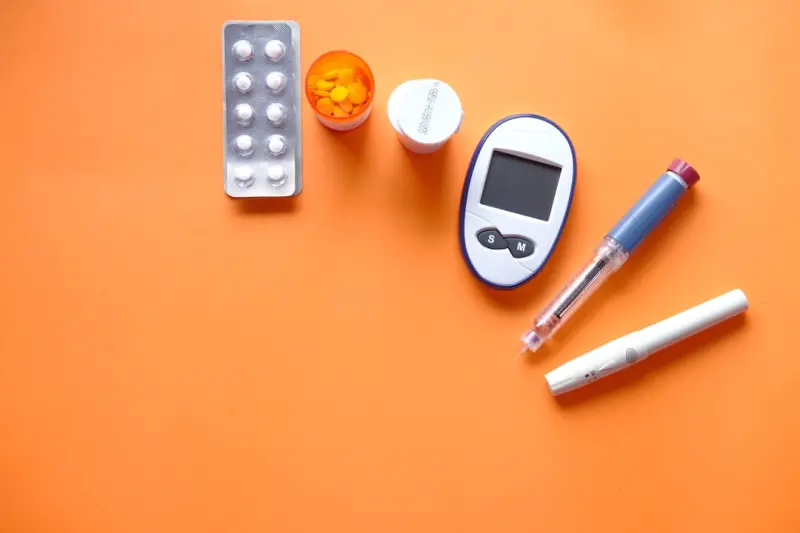
Why Decision Fatigue and Blood Sugar Are Secretly Linked
Every senior executive, project manager, or solo‑entrepreneur knows the feeling: after a few hours of back‑to‑back meetings, the mind starts to feel foggy, the ability to weigh options blurs, and the once‑sharp instinct for good judgment turns into a sluggish guess‑work exercise. While many blame “mental overload” or “stress,” there’s a biochemical culprit lurking beneath the surface—fluctuating blood glucose.
Blood sugar isn’t just a number on a glucometer; it’s the primary fuel for the brain’s neuronal fireworks. When glucose levels dip too low, the prefrontal cortex—the region responsible for planning, prioritizing, and self‑control—receives less fuel, leading to slower reaction times, poorer risk assessment, and a heightened susceptibility to impulsive decisions. Conversely, spikes followed by rapid crashes can trigger anxiety spikes that masquerade as “gut feelings,” nudging you toward rash choices. Understanding and managing this roller‑coaster can transform the way you lead, negotiate, and innovate.
Beyond the Classic “Low‑Carb” Narrative
Most advice on blood sugar control zeroes in on weight loss or diabetes prevention, urging low‑carb diets or “no sugar” pledges. While those strategies have merit, they often miss the nuance needed for high‑performing professionals whose days are punctuated by deadlines, strategic pivots, and unpredictable stressors. The goal isn’t to eliminate carbs but to orchestrate a steady supply of glucose that aligns with your cognitive peaks and valleys.
Think of your brain as a high‑performance engine: it craves a consistent, high‑quality fuel stream, not occasional surges of cheap gasoline. This means focusing on glycemic load, macronutrient timing, and micronutrient support rather than blanket restrictions. Small, intentional tweaks can keep you in the “zone” longer, without the dreaded “crash‑and‑burn” many experience after a sugary snack.
Mapping Your Cognitive Peaks to Your Glucose Rhythm
Research shows that most people experience a natural dip in alertness mid‑morning and a more pronounced slump in the early afternoon. These aren’t just “coffee cravings” – they’re physiological dips in blood glucose that coincide with circadian rhythms. By aligning meals and snack composition with these predictable troughs, you can smooth out the energy valleys before they erode decision quality.
Here’s a practical framework:
- Morning Power‑Boost (7 am–9 am): Start with a balanced breakfast that includes protein (e.g., eggs or Greek yogurt), healthy fat (nuts or avocado), and low‑glycemic carbs (steel‑cut oats, berries). This combination slows gastric emptying, delivering a steady glucose drip.
- Mid‑Morning Buffer (10 am–11 am): A small snack—think apple slices with almond butter or a handful of edamame—prevents the first dip without flooding the system.
- Lunch Anchor (12 pm–1 pm): Pair complex carbs (quinoa, sweet potato) with lean protein and leafy greens. Avoid high‑glycemic sides like white bread that cause spikes.
- Afternoon Sustain (3 pm–4 pm): A low‑glycemic snack (cottage cheese with cinnamon, a few olives, or a small portion of hummus with veggie sticks) can keep the pre‑evening decision engine humming.
By pre‑emptively feeding the brain before the anticipated dip, you maintain a smoother glucose curve, which translates into steadier focus and sharper judgment throughout the day.
The Role of Fiber and Protein: The Unsung Heroes
Fiber and protein act as natural glucose modulators. Soluble fiber forms a gel-like matrix in the gut, slowing carbohydrate absorption, while protein stimulates insulin secretion in a more measured fashion. Together, they blunt the peaks and valleys that lead to cognitive fog.
Consider these swaps:
- Replace sugary granola with a chia‑seed pudding mixed with unsweetened almond milk and a dash of vanilla.
- Swap a plain bagel for a whole‑grain English muffin topped with smoked salmon and a smear of cream cheese.
- Integrate legumes—lentils, chickpeas, black beans—into salads or soups for a protein‑fiber combo that keeps glucose stable.
These simple alterations not only support blood sugar balance but also provide sustained satiety, reducing the urge to “graze” on vending‑machine snacks during high‑stress periods.
Stress, Cortisol, and the Glucose–Decision Loop
Stress hormones, especially cortisol, directly influence glucose metabolism. When you’re under pressure, cortisol signals the liver to release stored glucose, creating a temporary spike. This surge can feel energizing—think “fight‑or‑flight”—but it’s followed by a compensatory dip as insulin works to normalize the level. The result? A swing from heightened alertness to a crash that feels like mental exhaustion.
Integrating stress‑reduction tactics can therefore help flatten these swings. Techniques such as brief “box breathing,” a 2‑minute walk outdoors, or a quick mindfulness micro‑session can dampen cortisol spikes, allowing your glucose to stay more even‑kept. Pair these practices with your strategic snack schedule for a double‑pronged approach to decision stamina.
Hydration: The Overlooked Glucose Stabilizer
Dehydration is a silent saboteur of blood sugar regulation. Even mild fluid loss can impair glucose transport to the brain, amplifying feelings of fatigue and mental sluggishness. Aim for a baseline of 2–2.5 liters of water daily, and increase intake around meals to aid digestion and nutrient absorption.
Flavor your water with a splash of lemon, cucumber slices, or a pinch of sea salt to make it more appealing and to replenish electrolytes lost during stressful moments. Consistent hydration supports the kidneys in filtering excess glucose, further smoothing out the glucose curve.
Micronutrients That Keep the Glucose Engine Running Smoothly
Several vitamins and minerals play a pivotal role in glucose metabolism:
- Magnesium: Helps insulin bind to cells, facilitating glucose uptake. Sources include pumpkin seeds, dark leafy greens, and dark chocolate (70%+).
- Chromium: Enhances insulin’s effectiveness; found in broccoli, grapes, and whole grains.
- Vitamin D: Low levels are linked with insulin resistance. Sun exposure and fortified foods can help maintain adequate levels.
- B‑Vitamins (especially B6, B12, and folate): Crucial for energy production and neurotransmitter synthesis, indirectly supporting glucose utilization.
Incorporating a colorful variety of whole foods ensures you receive these micronutrients without needing supplements, unless a specific deficiency is identified.
Strategic “Glucose Buffer” Snacks for Decision‑Heavy Moments
When you know a high‑stakes meeting or a critical negotiation is on the horizon, treat your brain to a “glucose buffer” snack—an intentional combination designed to provide a quick yet sustained glucose release.
Ideal buffer combos include:
- Half a banana with a tablespoon of natural peanut butter.
- A small handful of mixed nuts with a few dried apricots.
- Greek yogurt mixed with a sprinkle of rolled oats and a drizzle of honey (use sparingly).
These snacks deliver a modest glucose boost while the protein and fat components prevent an abrupt crash, allowing you to stay razor‑sharp during the most demanding cognitive tasks.
Technology Meets Physiology: Real‑Time Glucose Insights
Continuous glucose monitors (CGMs) are no longer exclusive to the diabetic community. Many high‑performing professionals now use CGMs to gain real‑time insight into how meals, stress, and sleep affect their glucose trajectory. By correlating glucose data with performance logs (e.g., meeting outcomes, creative output), you can identify personal patterns and fine‑tune nutrition strategies.
If a CGM feels too invasive, simple finger‑stick tests before and after major meals can still reveal trends. The key is to treat the data as a feedback loop—much like a coach reviews game footage—to iteratively improve your “fueling playbook.”
Linking Back to Core Concepts
While we’ve focused on the decision‑fatigue angle, the underlying principles echo other high‑performance topics on this blog. For instance, mastering glucose timing can engineer your blood sugar for focus, and the subtle adjustments we discuss are akin to the quiet levers for steady energy explored elsewhere. The difference here is the explicit tie to strategic decision making and leadership performance.
Putting It All Together: A 7‑Day Action Plan
To translate theory into habit, try this week‑long protocol:
- Day 1 – Baseline Tracking: Record meals, snack times, stress events, and perceived decision quality. If you have a CGM, note glucose trends.
- Day 2 – Breakfast Upgrade: Replace any sugary cereal with a protein‑fiber combo (e.g., Greek yogurt, berries, chia seeds).
- Day 3 – Mid‑Morning Buffer: Introduce a 10‑minute breathing session before your first snack.
- Day 4 – Lunch Recalibration: Swap any refined carb side for a complex carb (quinoa, brown rice, or lentils).
- Day 5 – Hydration Check: Set a timer to drink a glass of water every hour.
- Day 6 – Micronutrient Boost: Add a magnesium‑rich food (pumpkin seeds) to dinner.
- Day 7 – Review & Adjust: Compare decision‑fatigue scores from Day 1 to Day 7; tweak snack timing or composition based on what worked.
Even modest adherence can reveal noticeable differences in clarity, confidence, and the ability to weigh options without the fog that often accompanies prolonged mental exertion.
Final Thought: Fuel Your Mind Like You Would a High‑Value Asset
In the same way you’d diversify an investment portfolio, diversify your glucose sources, schedule, and stress‑management tactics. By treating blood sugar as a strategic lever rather than a health checkbox, you gain a competitive edge in boardrooms, product launches, and any arena where split‑second decisions matter. Consistency, not perfection, is the hallmark of sustainable performance. Keep the fuel flowing, keep the mind sharp, and let your decisions reflect the clarity of a well‑balanced glucose engine.

Craig Brett is a freelancer with a passion for the outdoors. His love for nature inspires his work, bringing authentic and engaging perspectives to projects related to outdoor activities, adventure, and environmental topics.
Related Posts
Fermented Foods: A Hidden Ally in Blood Sugar Mastery
Fermented foods like kimchi, kombucha, and tempeh produce compounds that improve insulin sensitivity... Read More

The Remote Work Blood Sugar Playbook
Discover a practical, data‑backed plan for remote workers to manage blood sugar through structured... Read More

The Personal Blood‑Sugar Command Center: Turning Data Into Daily Wins
Learn how to create a personal blood‑sugar command center that integrates continuous glucose monit... Read More
Top Posts

Micro‑Movement Mastery: Turning Everyday Moments into Health Wins
A simple, science‑backed approach shows how integrating micro‑exercises into daily routines can transform stamina, posture, and overall well‑being—no sp...Read More

The Unspoken Truth About Men's Health: A Holistic Approach to Wellness
Men's health is a complex issue that requires a comprehensive approach to wellness. Learn how prioritizing mental health support, addressing lifestyle factors, ...Read More

Navigating Nighttime Panic: A Personal Guide to Overcoming Sleep Terrors
A first‑hand account of battling sleep terrors, with actionable breathing, visualisation, and bedroom hacks to turn frightening nights into restorative sleep....Read More

When Nightmares Meet the Boardroom: Turning Sleep Terrors into Strategic Assets
Explore a fresh perspective on sleep terrors, turning them from unsettling dreams into powerful strategic cues for leaders and teams, complete with actionable s...Read More
0 Comments
Post Comment
You will need to Login or Register to comment on this post!