

When the Night’s Shadows Spark Unexpected Light
It’s easy to label an episode of a sleep terror as merely a nightmare gone rogue, but what if those intense, heart‑racing moments are actually a secret handshake between your subconscious and the waking world? In my years of diving deep into the science of rest, I’ve discovered that sleep terrors—those abrupt awakenings drenched in fear—can serve as a diagnostic beacon, a creative catalyst, and even a roadmap for optimizing daily performance.
Beyond the Screams: Defining the Phenomenon
Unlike the vivid storytelling of REM nightmares, sleep terrors erupt from the deep‑sleep stage known as N3, or slow‑wave sleep. The brain’s alarm system fires, sending a surge of adrenaline while the body remains largely paralyzed. The experience is brief, often leaving the sleeper with a lingering sense of dread but little recollection of specifics.
Key characteristics:
- Sudden onset: The episode can begin within minutes of falling asleep.
- Physical intensity: Rapid heartbeat, sweating, and a feeling of being unable to move.
- Limited memory: Most people recall only a vague impression, not a detailed narrative.
Understanding these traits is the first step toward reframing the terror from a threat to a signal.
The Brain’s Emergency Broadcast System
During deep sleep, the brain is busy consolidating memory and clearing metabolic waste. A sudden spike in the sympathetic nervous system—our “fight‑or‑flight” circuitry—triggers a burst of cortisol and noradrenaline. This physiological cascade is designed to protect us from perceived danger, even if the threat is imagined.
Recent neuroimaging studies suggest that the amygdala (the emotional hub) and the hypothalamus (the stress regulator) lock into a rapid feedback loop during a terror episode. While the cortex remains offline, the limbic system goes into overdrive, explaining the vivid emotional intensity despite a lack of narrative detail.
Stress, Trauma, and the Hidden Reservoir
Life’s pressures don’t vanish at bedtime. Chronic stress, unresolved trauma, or even a sudden change in routine can prime the brain’s alarm system. For many, a sleep terror is the night‑time manifestation of an unresolved daytime tension.
Consider these triggers:
- High‑stakes work environments that keep the mind in a state of hyper‑alert.
- Recent emotional upheavals—breakups, loss, or major life transitions.
- Subtle shifts in sleep hygiene, such as irregular bedtime or exposure to bright screens before sleep.
When the brain detects an imbalance, it may launch a “test run” during deep sleep, using the terror episode as a diagnostic rehearsal.
Creative Insight: Harnessing the Afterglow
There’s a growing body of anecdotal evidence from artists, writers, and entrepreneurs who credit a sleep terror with unlocking a breakthrough idea. The intense surge of adrenaline can temporarily heighten neural connectivity, allowing disparate concepts to link in novel ways.
Imagine you’ve been wrestling with a product design problem. In the middle of a terror episode, your brain briefly bypasses its usual filtering mechanisms, letting unconventional associations surface. When you wake—still tingling from the experience—you may find a fresh perspective waiting just beyond the fog.
To capture this spark:
- Keep a bedside journal: Jot down any lingering feelings, images, or thoughts as soon as you’re upright.
- Allow the emotion to linger: Rather than suppressing the fear, explore what it might be signaling about an unmet need.
- Translate the energy: Use the adrenaline surge to fuel a focused work sprint, channeling the intensity into a concrete task.
Relationships in the Midnight Zone
Sleep terrors don’t happen in isolation. Partners sharing a bed can be startled, leading to anxiety about future episodes. Open communication is essential. Discussing the phenomenon openly can transform fear into collaboration. Couples who develop a nightly “check‑in” routine often report reduced anxiety and improved intimacy.
Emerging Tools: From Wearables to Ambient Soundscapes
Technology is beginning to bridge the gap between night‑time signals and daytime action. Modern wearable devices can detect the sudden heart‑rate spikes associated with a terror episode, sending a discreet alert to a companion’s phone. This not only provides reassurance but also creates a data set that can be reviewed with a sleep specialist.
For a deeper dive on how wearable monitoring can be integrated into family health routines, see the guide on wearable monitoring for infants. While the focus there is on babies, the underlying principles apply to adult sleep tracking as well.
Another promising avenue is the strategic use of ambient audio. Gentle, low‑frequency soundscapes can help regulate the autonomic nervous system, reducing the likelihood of a terror episode. Research indicates that consistent exposure to soothing tones before bedtime lowers baseline heart rate, creating a calmer entry into deep sleep. Explore how carefully curated audio can support nighttime calm in the piece on soundscapes for sleep.
Timing Cues: Aligning Daily Rhythms with Nighttime Needs
Our internal clock, the circadian rhythm, plays a pivotal role in deep‑sleep stability. When meals, exercise, or work hours drift away from their natural windows, the brain’s ability to settle into a smooth slow‑wave phase can be compromised. Simple timing adjustments can dramatically lower terror frequency:
- Meal timing: Finish the last substantial meal at least three hours before bed to avoid metabolic spikes.
- Movement window: Engage in moderate activity early in the day; vigorous exercise within two hours of sleep can overstimulate the nervous system.
- Screen curfew: Dim the lights and switch to amber‑tinted screens at least an hour before bedtime to support melatonin production.
Practical Night‑Shift Strategies
While the science provides a roadmap, everyday habits are the vehicle that gets you there. Below is a concise, actionable checklist you can implement tonight:
- Prepare a “calm capsule”: Keep a soft light, a glass of water, and a notebook within arm’s reach.
- Practice a three‑minute grounding exercise: Focus on the sensation of your feet on the floor, the rhythm of your breath, and the ambient sounds.
- Set a gentle alarm for a brief “re‑check”: If you awaken in the middle of the night, use the alarm to remind yourself to breathe slowly and note any lingering sensations.
- Log the episode: Record the time, duration, and any emotional residue. Over weeks, patterns emerge that can guide personalized interventions.
- Leverage technology wisely: Enable wearable alerts only for heart‑rate spikes exceeding 20 beats per minute above baseline to avoid alarm fatigue.
When to Seek Professional Guidance
If sleep terrors occur more than twice a month, disrupt daily functioning, or are accompanied by daytime anxiety, it’s time to consult a sleep specialist. They may recommend cognitive‑behavioral approaches, tailored sleep‑environment adjustments, or, in rare cases, medication to regulate the autonomic response.
Reframing the Narrative
By viewing sleep terrors as a diagnostic tool rather than a random glitch, you gain agency. The terror becomes a messenger, whispering (or shouting) about hidden stressors, untapped creativity, and physiological imbalances. Embrace the message, act on the insights, and you’ll find that the night’s shadows can illuminate pathways to a more resilient, innovative self.

Tammy French is a Montessori Teaching Assistant and freelance writer passionate about education, creativity, and inspiring lifelong learning through engaging content.
Related Posts

Why Nightmares Matter More Than You Think
Sleep terrors are the dark underbelly of the night that most high‑performance professionals brush ... Read More

Night‑Time Fear as a Hidden Performance Leak: A Data‑First Playbook for Leaders
A data‑driven guide reveals how executives can spot early signs of night‑time panic, apply brief... Read More

When the Dark Turns Violent: A Fresh Lens on Sleep Terrors
Sleep terrors are a symptom of autonomic imbalance. This article uncovers the underlying mechanisms,... Read More
Top Posts

When Nightmares Become Data: Decoding Sleep Terrors for High‑Performance Living
Sleep terrors are more than frightening episodes; they’re physiological signals that can be logged, analyzed, and used to boost performance. Learn a practical...Read More

Cultivating Cognitive Resilience in a Hyper‑Connected World
Explore actionable strategies—attention sprints, microbreaks, soundscapes, and gut‑brain insights—to maintain mental health and enhance productivity amid ...Read More
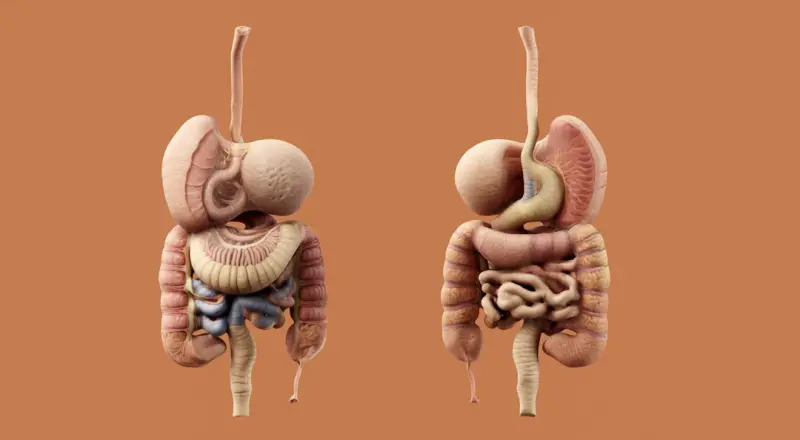
Why Your Gut Is the CEO of Your Decision‑Making
Jessica Hall explains the science behind the gut‑brain connection and shares actionable steps to harness your microbiome for sharper thinking and better busin...Read More

Playful Physiotherapy: Turning Recovery into a Game
Explore the power of playful movement in physiotherapy—learn why games, storytelling, and simple props can accelerate recovery and keep patients motivated....Read More
0 Comments
Post Comment
You will need to Login or Register to comment on this post!