
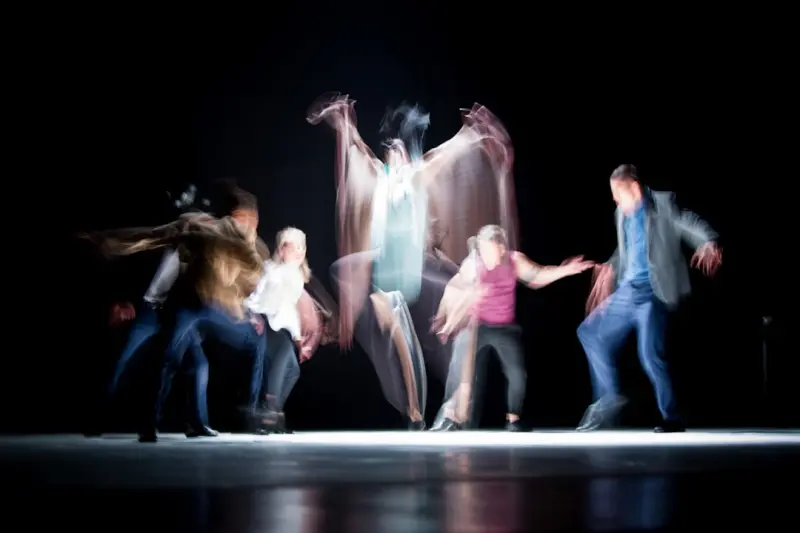
Finding Your Rhythm: How Playful Movement Redefines Everyday Narrative
When I first stepped onto a yoga mat in a cramped studio downtown, I wasn’t chasing flexibility or a six‑pack. I was chasing a story—a way to rewrite the internal monologue that kept telling me I was “too busy” or “not athletic enough.” That moment sparked an experiment that has now become a cornerstone of my weekly routine: treating exercise not as a chore, but as a narrative device.
Most fitness advice feels like a checklist: run three miles, lift twice a week, stretch after work. Those bullet points work for some, but they often miss the why that fuels long‑term commitment. By framing movement as a chapter in the story you’re authoring for yourself, each session becomes a scene you look forward to revisiting, not a hurdle you need to clear.
The Plot Twist: Viewing Movement as Creative Play
Imagine your day as a novel. The opening scenes set the tone, the conflict builds tension, and the climax delivers payoff. What if exercise were the plot twist that turns a predictable routine into something vibrant?
- Scene setting: A short, energetic walk at sunrise frames the day with intentional breath and visual clarity.
- Rising action: A mid‑day bodyweight circuit adds momentum, breaking up sedentary blocks and keeping the narrative moving.
- Climax: An evening dance class or spontaneous backyard jog provides the emotional release that resolves the day’s built‑up stress.
This structure isn’t about rigid timing; it’s about storytelling momentum. When you treat each movement session as a scene, you naturally ask: “What’s the mood? What’s the pacing? Who am I playing this part for?” The answers guide you toward activities that feel authentic, not forced.
Character Development Through Physical Exploration
Every protagonist evolves, and so does your body. The beauty of a playful approach is that you’re not locked into a single “character type.” One week you might be a curious explorer scaling a hiking trail; the next, a graceful dancer swirling through a studio. This fluidity keeps the narrative fresh and prevents the plateau that often follows monotony.
Research shows that varied movement patterns stimulate multiple sensory pathways, enhancing neuroplasticity. In practice, this means that switching from a HIIT session to a gentle tai chi flow engages different muscles, brain regions, and emotional circuits—fueling holistic growth.
Dialogue Between Body and Environment
Every story thrives on dialogue, and your body is no exception. The external environment can become a co‑author, shaping how you move and feel. Consider these three “settings” you can weave into your routine:
- Urban Canvas: Use city benches, stairwells, or park rails for improvised strength work. The bustling backdrop adds a rhythm that challenges you to stay present.
- Nature’s Library: Trails, rivers, or open fields invite exploratory movement—think barefoot walking, rock hopping, or natural obstacle courses. The unpredictability of terrain writes new chapters of balance and agility.
- Home Studio: A living‑room yoga flow or a living‑room dance party turns everyday spaces into stages. The intimacy of home allows you to experiment without judgment.
When you consciously integrate environment into your movement narrative, you deepen the sense of agency and curiosity. It’s less about “where do I work out?” and more about “what story does this setting inspire today?”
Editing the Script: The Role of Rest and Recovery
Even the most compelling novels need pauses—breathing spaces where readers can reflect. In the world of exercise, those pauses are recovery days, sleep, and mindful breathing. They’re not setbacks; they’re essential edits that refine the story.
One habit that dramatically improved my recovery was a digital dusk routine. By dimming screens an hour before bed and incorporating gentle stretching, my sleep quality rose, and I woke up feeling ready to “write” the next movement chapter. The lesson? Rest isn’t a break from the plot—it’s a deliberate scene that enhances the overall narrative arc.
Plot Devices: Using Small Wins to Build Momentum
Every writer knows the power of a cliffhanger. In fitness, small wins act as those cliffhangers, keeping you eager for the next session. Here are three tactics to create mini‑cliffhangers in your routine:
- Micro‑Challenges: Set a 30‑second plank goal and increase by five seconds each day. The incremental nature makes each victory feel attainable.
- Progressive Playlists: Curate a set of songs that get progressively faster. As the beat picks up, so does your intensity—a musical cue that signals the story’s rising action.
- Reflective Journaling: After each workout, jot down one unexpected feeling or observation. Over weeks, patterns emerge, offering insight into how your narrative is evolving.
These devices keep the story dynamic, ensuring you remain engaged long after the initial excitement fades.
Subplots: Integrating Movement With Other Life Goals
When I first tried to compartmentalize exercise, it felt like juggling separate novels—my career, my family, my health. The breakthrough came when I started intertwining them. For instance, a weekend bike ride became both a cardio session and a family adventure, turning a solo workout into a shared subplot.
Ask yourself: “Which of my existing goals could use a movement subplot?” Maybe it’s networking—join a walking meeting. Maybe it’s learning—a dance class that also teaches cultural history. By weaving exercise into existing narratives, you amplify its impact without adding extra “pages” to your schedule.
Dialogue With the Community: Co‑authoring Your Fitness Story
Stories are richer when multiple voices contribute. The same holds true for movement. Community‑based activities—whether a local boot‑camp, a virtual fitness challenge, or a neighborhood walking group—add dialogue, accountability, and fresh perspectives.
When you share progress, setbacks, and triumphs, you create a collective archive of experiences that can inspire others. Moreover, the social element releases oxytocin, which not only improves mood but also enhances muscle recovery, according to emerging research.
Rewriting the Ending: Long‑Term Vision Without Pressure
Traditional fitness goals often focus on an endpoint: a race, a weight target, a specific lift. While concrete goals have merit, they can also create a binary mindset—either you’ve succeeded, or you haven’t. By contrast, a narrative‑focused approach emphasizes the journey, allowing the “ending” to evolve.
My long‑term vision now reads like a series of sequels: “Chapter One—Discover Movement Joy,” “Chapter Two—Integrate Community,” “Chapter Three—Teach Others to Find Their Rhythm.” Each chapter builds on the last, but there’s no single final page that defines success.
Practical Starter Guide: Crafting Your First Movement Narrative
Ready to draft your own story? Follow these steps:
- Identify the Theme: What feeling do you want your movement to evoke? Freedom? Strength? Calm?
- Choose the Setting: Pick a location that aligns with your theme—urban rooftops for empowerment, forest trails for tranquility.
- Outline the Scenes: Sketch a simple three‑act structure (warm‑up, main activity, cool‑down) and assign a purpose to each.
- Set Micro‑Goals: Define a tiny win for each session—extra squat, longer stretch, new move.
- Reflect and Edit: After each session, write a quick note on what worked, what felt forced, and how the experience changed your mood.
By treating your workout like a story draft, you give yourself permission to experiment, revise, and celebrate the process.
Conclusion: Your Body, Your Story, Your Freedom
Exercise doesn’t have to be a solitary grind or a rigid checklist. When you reframe it as a narrative tool—a playful, ever‑evolving chapter in the larger story of your life—you unlock motivation that feels less like obligation and more like artistic expression. The next time you lace up your shoes, ask yourself: “What story am I about to write today?” and then step forward, pen in hand, ready to author a scene worth remembering.

Deb Roberts is a freelancer who writes on various subjects, bringing versatility and depth to her work. Alongside her broad writing expertise, she has a special passion for horses.
Related Posts

The Micro‑Workout Revolution: Turning Five Minutes into Real Fitness Gains
Learn how brief, high‑intensity micro‑workouts can fit into busy lives, boost metabolism, and bu... Read More
When Beats Meet Feet: The Rise of Rhythm‑Driven Workouts
Nikki reveals the science behind rhythm‑driven training, shares a step‑by‑step guide for build... Read More

Why the New Wave of Holistic Exercise Is Changing My Fitness Journey
I dive into the latest holistic exercise trends that transformed my routine, blending mind‑body ca... Read More
Top Posts
Why Your Blood Sugar Needs a Calendar, Not a Calculator
Treat blood sugar like a daily rhythm, not a number. Discover timing, stress, light, and social strategies that keep glucose stable and health thriving....Read More

When the Night Won’t Let You Rest: Turning Insomnia into a Personal Growth Tool
Discover how to use wearables, environmental tweaks, and mindful journaling to decode insomnia’s signals and transform sleepless nights into a roadmap for bet...Read More

Beyond Diet: Leveraging Everyday Levers to Master Blood Sugar
Explore hidden daily levers—temperature, micro‑movement, breathwork, data dashboards, and community support—that transform blood sugar management from a r...Read More

The Hidden Power of Holistic Care in Your Baby’s First Year
A fresh, holistic perspective on infant health, blending sleep science, gut microbiome insights, and mindful nutrition to help parents give their newborns the s...Read More
0 Comments
Post Comment
You will need to Login or Register to comment on this post!