

Imagine squeezing a full‑body workout into the time it takes to brew a cup of coffee; those five‑minute bursts, often called micro‑workouts, can become the secret weapon you didn’t know you needed. Scientific research now shows that brief, high‑intensity intervals trigger the same hormonal cascades, mitochondrial biogenesis, and cardiovascular adaptations as traditional hour‑long sessions, provided you hit the right intensity and consistency. By reframing exercise as a series of manageable, purpose‑driven moments, you eliminate the mental barrier of “no time,” allowing your body to accumulate progressive overload without the burnout that long‑form routines sometimes cause.
Breaking Down the Science Behind Short‑Burst Training
When you push hard for 30 seconds to a minute, your muscles recruit fast‑twitch fibers, releasing adrenaline and growth hormone that prime recovery pathways for the next bout; this “stacked” effect compounds over the day, creating a metabolic ripple that lasts well beyond the workout itself. Studies on high‑intensity interval training (HIIT) demonstrate improvements in VO₂ max, insulin sensitivity, and even brain‑derived neurotrophic factor (BDNF), a protein linked to mood regulation and cognitive sharpness. The key lies in the balance of intensity and rest—short, explosive efforts followed by brief recovery periods keep cortisol in check while maximizing the anabolic window, making micro‑workouts a surprisingly efficient tool for both fitness gains and overall well‑being.
Designing a Micro‑Workout Routine That Fits Your Lifestyle
Start by identifying the pockets of time you naturally have—waiting for a Zoom call to start, a bathroom break at work, or the lull between kids’ activities—and assign a specific movement to each slot, such as jump squats, kettlebell swings, or plyometric push‑ups. Pair a 45‑second effort with a 15‑second rest, repeat four cycles, and you’ve completed a full session that burns calories, spikes heart rate, and stimulates muscle fibers without feeling like a chore. To keep things fresh, rotate through body‑weight circuits, resistance bands, and cardio bursts like high knees or mountain climbers, ensuring you target all major muscle groups over the course of a week while also preventing the monotony that often leads to dropout.
Micro‑Workouts for Different Fitness Goals
If your aim is fat loss, prioritize high‑intensity cardio bursts—think burpees, squat jumps, or sprint intervals—that elevate after‑burn (EPOC) and keep metabolism revved for hours; combine these with occasional strength‑focused micro‑sessions using dumbbells or resistance tubes to preserve lean muscle mass. For strength building, focus on compound lifts performed with maximal effort for short periods—like a single heavy kettlebell swing or a dumbbell deadlift—allowing you to maintain tension and stimulate hypertrophy without the need for long sets. Meanwhile, athletes seeking endurance can weave in quick tempo runs or rowing sprints, using the cumulative effect of multiple daily bouts to improve lactate threshold and aerobic capacity without sacrificing recovery time.
Mindset Shifts: From “Exercise Time” to “Movement Moments”
Adopting micro‑workouts requires a mental reboot: you stop treating exercise as a singular, dreaded block and start viewing each moment as a chance to move, grow, and reset your nervous system. This perspective aligns with the concept of “movement moments,” where even a 20‑second plank can serve as a mental pause, reducing stress hormones and sharpening focus for the tasks ahead. By celebrating each tiny victory—a completed set, a deeper breath, a faster sprint—you reinforce dopamine pathways that make the habit loop more rewarding, ultimately turning sporadic activity into a seamless, self‑reinforcing part of your daily rhythm.
Integrating Technology Without Overcomplicating
While you don’t need a full‑blown studio, a simple timer app or a smartwatch can help you track intervals, heart rate zones, and progress over weeks, offering data‑driven motivation without the overwhelm of complex platforms. For those who thrive on community, short challenges posted in a workplace chat or family group can turn micro‑workouts into a friendly competition, fostering accountability while still honoring the brevity that makes the method appealing. Remember, the goal isn’t to replace longer sessions entirely but to layer additional stimulus throughout the day, creating a mosaic of effort that adds up to significant physiological change.
Nutrition Tips to Maximize Short‑Burst Gains
Fueling micro‑workouts is simpler than you think: a light protein snack—like Greek yogurt, a handful of nuts, or a protein shake—consumed 30‑45 minutes before your burst can prime amino acid availability, enhancing muscle protein synthesis during the high‑intensity effort. Post‑session, prioritize a balanced mix of carbs and protein to replenish glycogen stores and support recovery; even a small fruit‑based smoothie with a scoop of whey can make a noticeable difference in how quickly you feel ready for the next movement moment. Hydration remains crucial—sip water consistently throughout the day to maintain plasma volume, ensuring your heart can pump efficiently during those rapid spikes in activity.
Real‑World Success Stories and How to Replicate Them
Take Maya, a freelance graphic designer who struggled to fit gym time into her erratic schedule; by committing to three 5‑minute micro‑workouts during client calls, she shaved 15 minutes of sedentary time each day and reported a 12‑point increase in energy levels within a month. Similarly, Tom, a busy dad of two, swapped his evening TV habit for a quick kettlebell circuit while the kids played, noticing improved sleep quality and reduced lower‑back soreness. To emulate their success, start with a realistic goal—one micro‑session per day—and gradually stack additional bouts as the habit solidifies, always listening to your body’s feedback and adjusting intensity accordingly.
Future Trends: Why Micro‑Workouts Are Here to Stay
As workplaces adopt flexible schedules and remote work becomes the norm, the demand for time‑efficient fitness solutions will only grow, positioning micro‑workouts as a cornerstone of modern wellness strategies. Emerging research suggests that frequent, brief spikes in activity may even protect against chronic inflammation and support immune resilience, aligning perfectly with holistic health approaches that emphasize balance over extremes. By embracing this adaptable method now, you position yourself at the forefront of a movement that values consistency, accessibility, and the profound impact of just a few minutes of purposeful motion each day.
Ready to start? Pick a spot, set a timer, and let those five‑minute bursts become the building blocks of a stronger, healthier you. For an extra boost, consider learning how to boost your mood with movement, and don’t forget to support your lymphatic system with post‑workout hydration and gentle stretches.

Related Posts

Micro‑Movement Mastery: Mini‑Workouts for Busy Professionals
Micro‑movement integrates brief, intentional exercises into daily routines, offering busy professi... Read More

Turning Everyday Steps into Mini Adventures for Joyful Fitness
Learn how to transform ordinary walks into mini adventures that spark curiosity, improve fitness, an... Read More

Movement‑Driven Leadership: Harnessing Exercise to Elevate Emotional Intelligence
Learn why integrating short, purposeful exercise into your leadership routine can enhance empathy, r... Read More
Top Posts

Designing Spaces That Embrace Narcolepsy: A Guide to Comfortable Living
Learn how smart lighting, acoustic tweaks, ergonomic furniture, and modular nap pods can turn any space into a supportive environment for those living with narc...Read More

The Power of Holistic Health: A Comprehensive Approach to Wellbeing
Holistic health is a comprehensive approach to wellbeing that considers the whole person - body, mind, and spirit. Learn how to prioritize nutrition, manage str...Read More
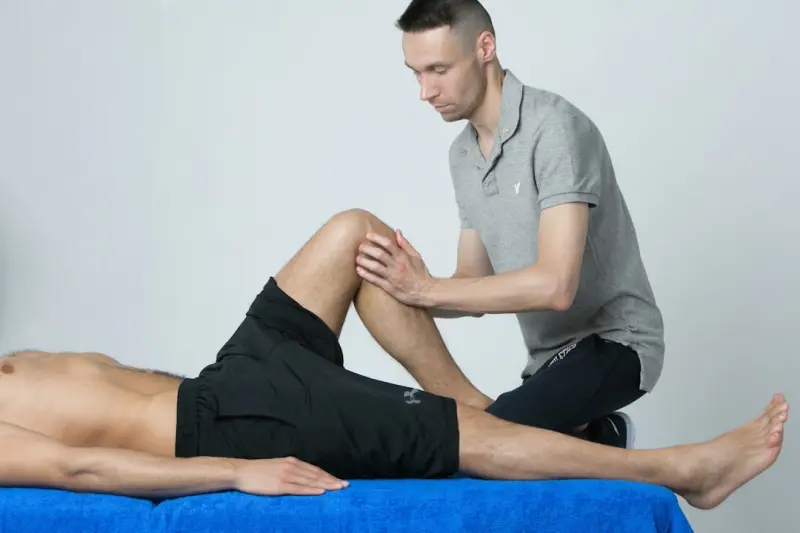
Reimagining Recovery: How Your Home Can Become a Physiotherapy Ally
Learn how to transform your living space into a therapeutic ally with movement-friendly design, wearable feedback, lighting tricks, and daily micro‑movements ...Read More

When Cells Talk Back: Redefining Cancer Care Through Real‑Time Feedback
A fresh look at cancer care shows that continuous feedback from patients, wearables, and community data can create adaptive treatment loops, improving outcomes ...Read More
0 Comments
Post Comment
You will need to Login or Register to comment on this post!