
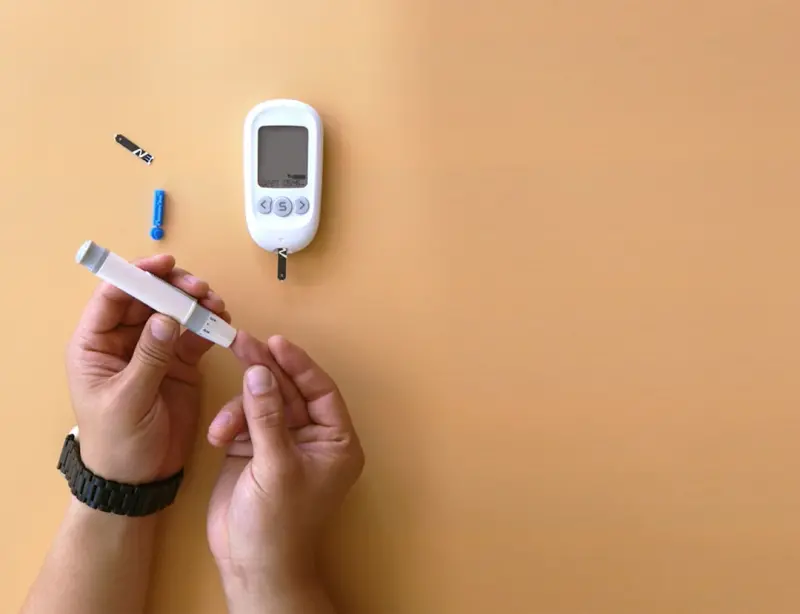
Why Your Blood Sugar Needs a Calendar, Not a Calculator
When most people think about blood glucose, they picture a number on a meter and a frantic scramble to “fix” it. I’ve been there—standing in the kitchen at 3 a.m., staring at a glass of orange juice like it’s a ticking time‑bomb. The truth is, glucose isn’t just a static figure; it’s a dynamic rhythm that responds to the subtle cues of your day. In this post I’m going to flip the script and treat blood sugar like a calendar appointment, not a math problem.
The Clock Inside Your Cells
Every cell in your body runs on a circadian clock. These internal timekeepers dictate hormone release, enzyme activity, and even the way your liver stores glycogen. When you eat at irregular hours, you’re essentially asking your liver to work night‑shifts, and nobody performs well under those conditions.
Research shows that insulin sensitivity peaks in the late morning and begins to dip after noon. That’s why a breakfast of oats, berries, and a splash of almond milk can be far more “glycemic‑friendly” than a late‑night bagel. The trick isn’t to eliminate carbs—it's to align carb consumption with your body’s natural insulin window.
Meal Timing Hacks That Respect Your Rhythm
- Front‑Load Your Calories. Aim to get 40–50 % of your daily calories before 2 p.m. This leverages the morning insulin surge and reduces the risk of post‑dinner spikes.
- Set a “No‑Snack” Buffer. Create a 3‑hour window between meals. This gives insulin time to clear the bloodstream, preventing the cumulative “stacking” effect that can lead to chronic hyperglycemia.
- Mind the Midnight Snack. If you absolutely must eat after 9 p.m., keep it low‑glycemic (think Greek yogurt or a handful of nuts). Your body’s ability to process glucose drops sharply after dark.
Stress: The Silent Saboteur of Glucose Control
Stress hormones—cortisol and adrenaline—are the hidden culprits that push glucose into the bloodstream even when you haven’t eaten. I used to think a quick espresso was harmless, but the jittery surge of cortisol that follows can spike glucose for up to two hours.
Integrating brief, purposeful stress‑relief rituals can blunt this effect. A five‑minute box‑breathing session before lunch, a short walk after a meeting, or even a moment of gratitude can lower cortisol enough to keep glucose steady. For a deeper dive into how breathwork influences systemic health, see Breathing Easy: Transform Your Home Air to Tame Sleep Apnea—the principles overlap more than you might expect.
The Microbiome Connection You’ve Ignored
Gut bacteria aren’t just food‑breakdown factories; they produce short‑chain fatty acids (SCFAs) that directly influence insulin sensitivity. A diverse microbiome can act like a natural buffer, smoothing out the peaks and valleys of glucose.
Here are three microbiome‑friendly moves that can help you manage blood sugar without counting carbs:
- Fermented Foods Daily. A spoonful of kimchi, a glass of kefir, or a serving of sauerkraut introduces beneficial strains that produce SCFAs.
- Fiber‑Rich Snacks. Aim for at least 5 grams of soluble fiber per snack—think chia pudding or an apple with almond butter.
- Limit Artificial Sweeteners. They can disrupt microbial balance, leading to decreased insulin sensitivity over time.
Environmental Light: A Glucose Modulator You Can Control
Exposure to bright morning light signals your suprachiasmatic nucleus (the master clock) to release hormones that improve insulin response. Conversely, dim lighting in the evening sends a “sleep‑time” signal that naturally reduces insulin sensitivity—a good thing when you’re winding down, but problematic if you’re still snacking.
Practical steps:
- Open curtains as soon as you wake up and soak up at least 15 minutes of natural light.
- Swap to blue‑light‑filter glasses after sunset to keep melatonin levels high and insulin demand low.
- Consider a “light‑fast” after 8 p.m.—dim the lights, turn off screens, and let your body enter a true rest mode.
Wearables: Turning Data Into Action
Continuous glucose monitors (CGMs) have gone from niche diabetes tools to mainstream wellness gadgets. The real power isn’t the raw numbers; it’s the trend patterns they reveal. Pair a CGM with a smartwatch that tracks heart rate variability (HRV). When HRV dips, you’re likely in a stress state—anticipate a glucose rise and pre‑empt it with a walk or a deep‑breath session.
Even if you don’t have a CGM, you can simulate the insight by logging meals, mood, and activity in a spreadsheet. Look for recurring spikes after certain stress triggers or late‑night meals, and adjust accordingly.
Social Eating: The Unexpected Ally
Human beings are wired for community, and that wiring extends to metabolic regulation. When you share a meal with supportive friends, you’re less likely to overindulge and more likely to stick to a balanced plate. The Social Prescription piece highlighted how communal habits can lower blood pressure; the same principle applies to glucose stability.
Try these social strategies:
- Schedule “balanced brunches” with coworkers where the focus is on protein and fiber, not pastries.
- Form a “glycemic buddy” system—check in on each other’s meal timing and stress levels.
- Rotate cooking duties in a small group; sharing recipes forces you to think about nutrient composition.
Beyond Diet: The Hidden Systems That Extend Your Lifespan
Managing blood sugar isn’t a diet‑only problem. It’s an orchestration of sleep, movement, stress, light, and community. In Beyond Diet, I explored how these systems intertwine to influence longevity. When you treat glucose as a symptom of a broader network, your interventions become more sustainable and less restrictive.
Think of your day as a series of levers:
- Sleep – aim for 7–8 hours of uninterrupted rest to keep cortisol low.
- Movement – short bursts of activity after meals boost glucose uptake.
- Light – morning sunlight primes insulin sensitivity.
- Social – community meals keep you accountable and reduce stress‑eating.
Putting It All Together: A Sample Day
Here’s a practical blueprint that respects your glucose calendar:
| Time | Activity | Rationale |
|---|---|---|
| 07:00 | Sunrise light exposure + 5‑minute box breathing | Kickstarts circadian rhythm, lowers cortisol. |
| 07:30 | Protein‑rich breakfast (eggs, spinach, avocado) | Utilizes peak insulin sensitivity. |
| 10:00 | Mid‑morning walk (10 min) | Boosts glucose uptake, reduces stress. |
| 12:30 | Balanced lunch (lean protein, quinoa, veggies, fermented side) | Continues to align carbs with insulin window. |
| 15:00 | Light snack (Greek yogurt + berries) | Low‑glycemic, fiber‑rich, supports microbiome. |
| 18:00 | Dinner with friends (grilled fish, roasted veg, salad) | Social support, mindful portions. |
| 20:00 | Dim lights, no screens, short meditation | Prepares body for reduced insulin demand. |
| 22:00 | Sleep (7–8 h) | Restores hormonal balance, consolidates glucose control. |
Final Thoughts: Embrace the Rhythm, Not the Numbers
Blood sugar management can feel like a perpetual math problem, but when you reframe it as a rhythm—one that syncs with light, stress, community, and gut health—it becomes a far more humane practice. You’ll find yourself less obsessed with the scale and more attuned to the subtle cues that keep your system humming.
Start small: pick one lever—maybe morning light exposure—and observe the effect on your energy and cravings. Add another, and soon you’ll have a full, personalized system that keeps glucose in check without the endless calorie counting. Your body already knows the answer; you just have to ask it at the right time.

Craig Brett is a freelancer with a passion for the outdoors. His love for nature inspires his work, bringing authentic and engaging perspectives to projects related to outdoor activities, adventure, and environmental topics.
Related Posts

The Gut‑Brain‑Sugar Connection: Rewire Your Microbiome for Stable Glucose
Your gut microbes are silent regulators of glucose. Learn how to nurture them with food, movement, a... Read More

From Data to Daily Wins: A Tech‑Savvy Path to Stable Blood Sugar
Learn how continuous glucose monitors, smart apps, stress‑busting breathwork, and micro‑movement... Read More
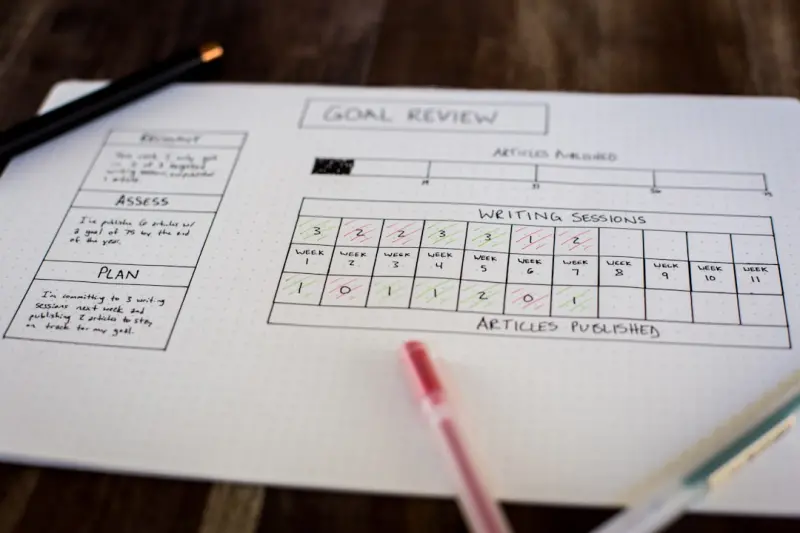
Micro-Periodization: A New Playbook for Blood Sugar Stability
Learn how aligning meal timing with daily cognitive demands, ambient lighting, and real‑time physi... Read More
Top Posts
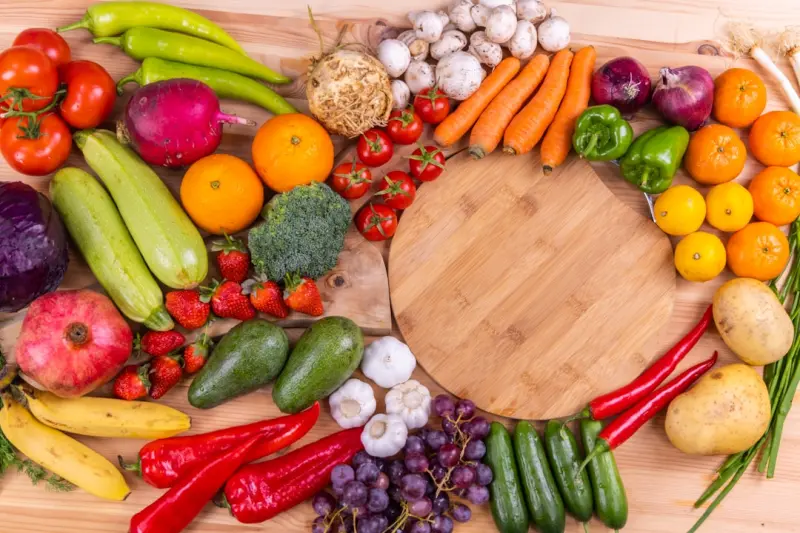
When Food Becomes Medicine: Mastering Nutrient Synergy for Everyday Performance
Explore the science of nutrient synergy, learn how to pair foods for maximum absorption, and get actionable habits that turn everyday meals into performance‑e...Read More
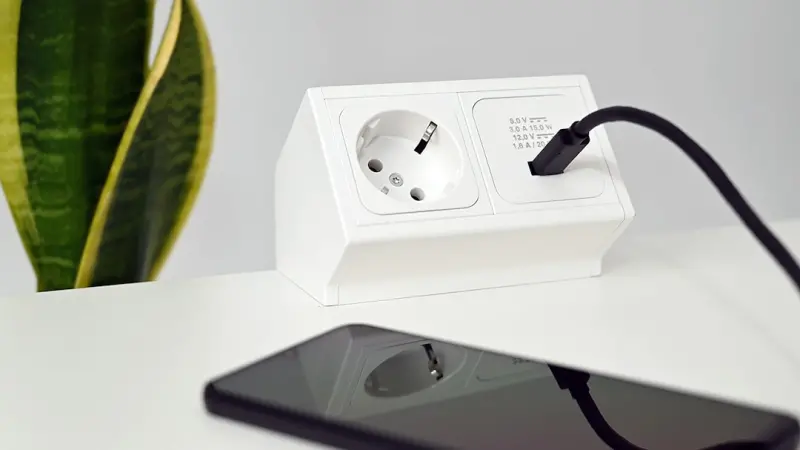
Unplug to Recharge: Why Digital Boundaries Are the New Health Prescription
This post explores how constant connectivity stresses the body and mind, and offers practical strategies—like notification audits, screen‑free zones, and al...Read More

Crafting a Bedroom Sanctuary to Outsmart Insomnia
A step‑by‑step guide to redesigning your bedroom’s sensory environment—light, sound, scent, texture, and even gut health—to tackle insomnia head‑on ...Read More
The Importance of Mental Health in Seniors: A Comprehensive Approach
Mental health is crucial for seniors' overall wellbeing. Learn about the challenges faced by seniors, ways to promote mental health, and the importance of a com...Read More
0 Comments
Post Comment
You will need to Login or Register to comment on this post!