
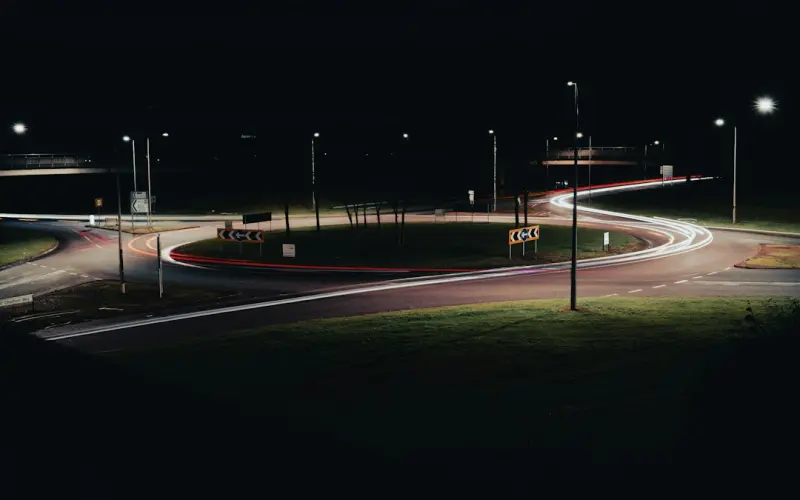
I’ve spent countless evenings staring at the ceiling, counting the seconds between each flicker of the streetlamp outside my bedroom window. Insomnia, for many of us, feels like an unwanted roommate that never leaves. But what if that relentless wakefulness is less a curse and more a raw, unfiltered data stream about our bodies, minds, and environments? In this piece, I’ll walk you through a pragmatic, data‑first framework for decoding sleepless nights and turning them into a catalyst for personal performance—not a nightly battle.
Why Traditional “Sleep Hygiene” Advice Falls Short
Most of the advice you’ll find online follows a familiar script: dim the lights, avoid caffeine after noon, and keep a consistent bedtime. While these habits are helpful, they’re essentially one‑size‑fits‑all solutions that treat insomnia as a symptom rather than a signal. The reality is that sleeplessness is a complex interplay of neurochemistry, circadian rhythms, stress hormones, and even the electromagnetic field of your bedroom.
When you rely solely on generic rules, you miss the nuanced patterns that only become apparent when you start looking at the numbers—heart‑rate variability (HRV), skin temperature, ambient light exposure, and even your daily mood fluctuations. In other words, insomnia is a feedback loop begging for a more sophisticated conversation.
The Data‑Driven Playbook: From Nightly Frustration to Actionable Insight
Below is a step‑by‑step method that lets you use everyday technology to capture, analyze, and act on the data your body is already providing.
- 1. Choose a Wearable That Measures More Than Steps
Most fitness trackers now record HRV, skin temperature, and SpO₂. These metrics are gold mines for understanding your autonomic nervous system. Low HRV during the night, for instance, can indicate elevated sympathetic activity—essentially your body’s “fight or flight” mode persisting into sleep. - 2. Build a Baseline Over Seven Nights
Don’t jump to conclusions after a single night of poor sleep. Record a full week of data, noting any external variables: caffeine intake, screen time, exercise, work stress, and even the weather. The goal is to establish a personalized “sleep signature.” - 3. Map Your Data Against Your Environment
Use a simple spreadsheet or a dedicated health‑dashboard app to plot metrics alongside environmental factors. Is your bedroom temperature hovering around 72°F? Do you have blue‑light exposure after 8 p.m.? Correlate spikes in heart rate with late‑night emails or intense workouts. - 4. Identify Repeating Patterns
Look for clusters. Perhaps you notice a consistent HRV dip on days you drink a second cup of coffee after lunch, or a rise in skin temperature on nights you binge‑watch TV. These patterns are the clues you need. - 5. Test Small, Measurable Interventions
Pick one variable at a time. Swap evening coffee for herbal tea for three nights, or dim your lights an hour earlier. Record the impact on HRV, sleep onset latency, and overall restfulness. Small, isolated changes are easier to attribute to outcomes. - 6. Iterate and Refine
After each test phase, adjust your approach based on the data. Over weeks, you’ll start to see a clearer picture of what truly nudges your system toward restorative sleep.
Beyond the Mattress: Lifestyle Levers That Show Up in Your Data
When you start treating insomnia as a diagnostic tool, you’ll discover that many “sleep‑related” habits are actually broader lifestyle levers.
Morning Light Exposure
Natural sunlight in the first hour after waking is one of the most powerful cues for resetting your circadian clock. If your wearable shows a delayed melatonin onset, consider a 10‑minute walk outside before 9 a.m. This simple habit can shift your sleep window earlier, making it easier to fall asleep at night.
Movement Timing
Exercise is a double‑edged sword. A high‑intensity workout within two hours of bedtime can elevate cortisol and heart rate, prolonging sleep latency. Conversely, a moderate session in the late afternoon can boost sleep depth. Review your HRV trends alongside workout logs to pinpoint the optimal window.
Digital Diet
Screen time isn’t just about blue light; it also spikes mental arousal. Notice if your nighttime HRV drops after scrolling through social media. If so, a digital sunset—a hard cutoff for all screens an hour before bed—can be a game‑changer.
Nutrition Timing
Late‑night meals, especially those high in sugar or refined carbs, can trigger insulin spikes that interfere with the natural dip in core body temperature necessary for sleep. Align your last substantial meal at least three hours before bedtime and monitor how skin temperature trends respond.
Leveraging the Power of Silence
One under‑appreciated factor is auditory environment. While many of us invest in white‑noise machines or soothing playlists, the absence of sound can be equally potent. The silence as a sleep ally can lower sympathetic activation, allowing the brain to transition more smoothly into the slower wave patterns of deep sleep. Experiment by reducing ambient noise to a whisper and observe any shifts in HRV and sleep efficiency.
Reframing Nighttime Anxiety as Creative Fuel
Insomnia often feels like an emotional avalanche—racing thoughts, worries about the day ahead, or lingering stress. Rather than fighting that mental chatter, consider redirecting its energy. The nighttime challenges as creative fuel concept suggests that the raw, unfiltered thoughts that keep you awake can be harvested for problem‑solving, journaling, or brainstorming. Set a “worry journal” beside your bed: when a thought surfaces, jot it down for five minutes, then return to a calming breathing exercise. Over time, you’ll notice a reduction in the intensity of those thoughts, and you’ll also capture ideas you might otherwise lose.
The Role of Personal Health Dashboards
All the data you collect becomes truly useful only when it’s visualized in an intuitive way. Platforms that let you overlay sleep metrics with stress scores, nutrition logs, and activity levels transform raw numbers into a narrative you can act upon. Think of it as a personal health command center where insomnia is just one indicator among many—an early warning system that tells you when another system is out of balance.
When Data Isn’t Enough: Knowing When to Seek Professional Help
Even the most diligent self‑tracking can’t replace a clinician’s expertise. If you notice any of the following, schedule a visit:
- Consistently low HRV (< 20 ms) over several weeks.
- Frequent awakenings accompanied by night sweats or breathing difficulties.
- Daytime impairment that affects work performance or mood stability.
- Signs of an underlying sleep disorder such as sleep apnea or restless leg syndrome.
In those cases, a sleep study or a consultation with a sleep specialist can uncover physiological issues that wearable data alone can’t capture.
Putting It All Together: A 30‑Day Insomnia Reset Plan
Ready to turn sleepless nights into a systematic experiment? Here’s a concise roadmap:
- Week 1 – Baseline Capture: Wear your tracker 24/7, log meals, caffeine, exercise, and digital exposure. No changes yet.
- Week 2 – Light & Movement: Add a morning walk for natural light exposure. Shift any high‑intensity workouts to early afternoon.
- Week 3 – Silence & Digital Sunset: Implement a strict no‑screen rule after 9 p.m., and experiment with a quiet bedroom environment.
- Week 4 – Nutrition & Journaling: Move dinner to at least three hours before bed, reduce sugar after 6 p.m., and start a nightly worry journal.
At the end of the month, revisit your dashboard. Look for upward trends in HRV, lower resting heart rate, and a reduced sleep onset latency. Celebrate any improvements, however modest—they’re the first data points confirming that your interventions are working.
Final Thought: Insomnia as a Mirror, Not an Enemy
Sleep deprivation is uncomfortable, but it’s also a transparent mirror reflecting the hidden stressors in our lives. By treating insomnia as a data‑rich symptom rather than a stubborn problem, you gain a powerful diagnostic tool that can improve not only your rest but also your daytime performance, mood, and long‑term health. Embrace the night as a laboratory, and you’ll find that the most restful sleep often follows the most insightful analysis.

Craig Brett is a freelancer with a passion for the outdoors. His love for nature inspires his work, bringing authentic and engaging perspectives to projects related to outdoor activities, adventure, and environmental topics.
Related Posts
When Your Internal Clock Gets the Wrong Invite: A Chronotype‑Driven Approach to Insomnia
Insomnia often stems from a clash between your body’s innate chronotype and modern schedules. Lear... Read More

Reclaiming Rest: A Data‑Driven Playbook to Beat Chronic Insomnia
Insomnia isn’t just a sleep issue—it’s a hidden performance leak. This playbook blends light m... Read More
When the Night Won’t Cooperate: Rewiring Insomnia with Sensory Reset
A step‑by‑step guide to mapping your night‑time sensory landscape, adjusting light, sound, tem... Read More
Top Posts

Value-Based Insurance Design: Turning Coverage into a Strategic Health Asset
Value‑Based Insurance Design aligns cost‑sharing with high‑value care, encouraging preventive services and essential treatments while controlling expenses...Read More
Reclaiming Calm: A Science‑Driven Guide to Digital Detox Through Nature Immersion
Brody Lambert shares a practical, science‑backed roadmap for integrating daily nature exposure into a tech‑heavy lifestyle, highlighting measurable benefits...Read More
When Nightmares Meet the Boardroom: Turning Sleep Terrors into Strategic Assets
Explore a fresh perspective on sleep terrors, turning them from unsettling dreams into powerful strategic cues for leaders and teams, complete with actionable s...Read More
Holistic Blueprint for Women’s Health: From Cycle to Serenity
Explore a holistic roadmap for women’s health, covering hormone harmony, menstrual insights, fertility, postpartum recovery, menopause, mental wellness, gut h...Read More
0 Comments
Post Comment
You will need to Login or Register to comment on this post!