
Why the Five Senses Matter More Than You Think
When I first stepped into a bustling open‑plan office after months of remote work, the clatter of keyboards, the hum of HVAC, and the faint scent of coffee created a chaotic backdrop. I realized my brain was fighting a silent battle to stay focused. It wasn’t just about what I was doing; it was about how my environment was speaking to my senses. That realization sparked a personal experiment that turned into a habit: a deliberate sensory reset throughout the day.
The Hidden Power of Aroma
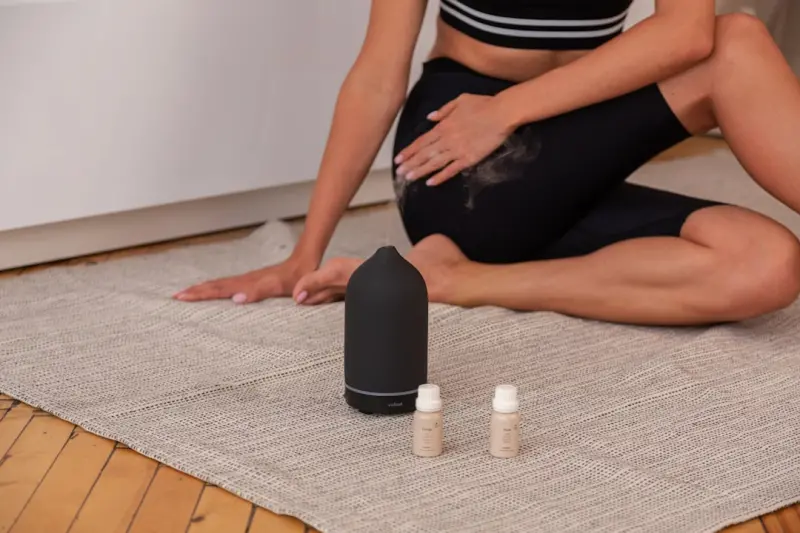
Scents have a direct line to the limbic system—the part of the brain that governs emotion and memory. A quick whiff of citrus can lift mood, while lavender can coax the nervous system into calm. I started keeping a tiny diffuser on my desk, programmed to release a brief burst of peppermint during the mid‑morning slump and a soothing hint of eucalyptus after lunch. The effect was measurable: my heart rate steadied, and I felt a surge of mental clarity without reaching for another cup of coffee.
For those who can’t use essential oils at work, a simple alternative is a scented notebook or a scented pen. Even subtle aromas can cue your brain to shift gears.
Touch: The Underestimated Reset Button
Touch is often overlooked in a world that glorifies visual and auditory stimuli. Yet a quick tactile cue—like the gentle pressure of a stress ball or the cool texture of a smooth stone—can ground you in the present moment. I experimented with a small, textured mat under my chair. Every hour, I’d pause, press my fingertips into the mat, and notice the texture. That micro‑pause acted like a mental “reset,” pulling me away from the endless scroll of emails.
Research shows that intentional touch can reduce cortisol levels. Incorporating a touch ritual doesn’t have to be elaborate; even a brief hand‑to‑hand clasp with a colleague can foster a shared sense of calm and connection.
Soundscapes: Curating Your Auditory Environment
We’ve all heard the advice to “listen to white noise” or “put on some instrumental music,” but the science of sound goes deeper. Certain frequencies can enhance focus, while others promote relaxation. I created three playlists: one with low‑frequency binaural beats for deep work, another with gentle nature sounds for brainstorming, and a third with rhythmic beats for high‑energy tasks.
If you’re curious about how sound intertwines with brain performance, check out this piece on designing light and sound for brain performance. It delves into the nuances of auditory environments and how subtle tweaks can boost cognitive stamina.
Integrating the Three Senses: A Simple Routine
- Morning Arrival: As you settle at your desk, inhale a citrus burst, run your fingers over a textured coaster, and press play on a low‑tempo focus playlist.
- Mid‑Morning Reset (10 minutes): Pause your screen, close your eyes, and take three deep breaths while feeling the texture of a stress ball. Switch the playlist to a subtle nature ambience.
- Pre‑Lunch Transition: Light a dab of peppermint on a diffuser and stretch, feeling the fabric of your chair as you roll your shoulders.
- Afternoon Recharge (15 minutes): Walk to a quiet corner, inhale a calming lavender scent, and listen to a short binaural beat track designed for renewed focus.
- End‑of‑Day Wind‑Down: Dim the lights, use a calming essential oil blend, and let a soft acoustic playlist guide you into a reflective mindset.
Why This Works: The Science Behind Sensory Reset
Our nervous system constantly processes sensory input, but the modern office often bombards us with competing signals. By intentionally curating aromas, tactile experiences, and sound, we give the brain a clear hierarchy of information. This reduces the cognitive load, allowing the prefrontal cortex to allocate resources to higher‑order tasks instead of filtering background noise.
Moreover, the act of conscious sensory switching activates the parasympathetic nervous system, which counteracts the stress response. Over time, this habit builds a physiological buffer, making you more resilient to inevitable workplace stressors.
Practical Tips for Implementation
Implementing a sensory reset doesn’t require a major overhaul. Here are actionable steps you can take right now:
- Audit Your Space: Identify any strong smells (e.g., food, chemicals) and replace them with neutral or pleasant alternatives.
- Choose a Touch Anchor: Pick an object—whether a smooth stone, a woven fabric, or a specially designed mouse pad—that you can associate with a micro‑pause.
- Curate Sound Playlists: Use streaming platforms to create three distinct playlists for focus, creativity, and relaxation.
- Set Timers: Use a subtle visual timer or a gentle chime to remind you to engage in a sensory reset every hour.
- Share the Practice: Invite teammates to join you. A shared sensory ritual can enhance team cohesion and collective productivity.
Measuring the Impact
To know whether the sensory reset is truly benefiting you, track two simple metrics for a week:
- Energy Levels: Rate your perceived energy on a scale of 1‑10 before and after each reset.
- Task Completion Time: Note how long it takes to finish a standard task with and without the reset.
Most people report a noticeable lift in energy and a reduction in perceived effort. Over a month, these small gains compound into significant improvements in overall performance and wellbeing.
Addressing Common Concerns
“I don’t want to be a distraction.” The key is subtlety. Choose low‑volume sounds and scents that don’t permeate the entire office. A personal diffuser with a controlled output keeps the aroma localized to your workspace.
“What if my workplace has strict policies?” Many organizations embrace wellness initiatives. Position your sensory reset as a productivity tool, backed by research, and you may even inspire a broader wellness program.
“Is this just a fad?” Sensory integration has roots in occupational therapy and mindfulness practices. When applied consistently, it becomes a reliable strategy rather than a fleeting trend.
Wrapping Up: Your Personal Sensory Toolkit
In the hustle of modern work life, the most powerful tool you can wield is often right at your fingertips, nose, and ears. By consciously engaging scent, touch, and sound, you create a personal oasis that rejuvenates focus, steadies emotions, and fuels creativity. Start small—pick one scent, one tactile cue, and one soundscape—and watch how your day transforms.
Remember, the goal isn’t to eliminate all stimuli; it’s to orchestrate them so they work for you, not against you. Your sensory reset is a living practice—tweak it, refine it, and let it evolve alongside your professional journey.

Deb Roberts is a freelancer who writes on various subjects, bringing versatility and depth to her work. Alongside her broad writing expertise, she has a special passion for horses.
Related Posts
Unlocking Cognitive Resilience: A Fresh Playbook for Modern Professionals
Learn how to transform stress into a growth signal with three practical pillars—environmental micr... Read More
Holistic Health Redefined: My Personal Journey to Whole‑Self Wellness
Nikki McDonald shares her transformative path to holistic health, revealing how mindful nutrition, f... Read More
Why Your Home's Air Might Be the Silent Saboteur of Your Health
A deep dive into how unseen pollutants inside your house affect your health, with practical tips, sm... Read More
Top Posts

Cycle Syncing: A Holistic Blueprint for Women’s Energy and Well‑Being
Learn how to harness the power of your menstrual cycle by tailoring food, exercise, sleep, and stress‑management to each hormonal phase for steadier energy, c...Read More

From Vapor to Voice: Rewriting My Vaping Story
A personal journey that turns vaping rituals into reflective narratives, using flavor, community, and seasonal sync to rewrite habits....Read More

Decoding the Shadow: How Sleep Terrors Hijack Your Brain’s Night Shift
Sleep terrors are more than scary nightmares—they’re a neurochemical alarm that can disrupt deep sleep and daily performance. This article breaks down the b...Read More

Rhythms, Relationships, and Simple Swaps: A Fresh Playbook for Managing Blood Pressure
A personal, science‑backed guide reveals how rhythm, community accountability, strategic food swaps, and simple daily movements can naturally lower blood pres...Read More
0 Comments
Post Comment
You will need to Login or Register to comment on this post!