
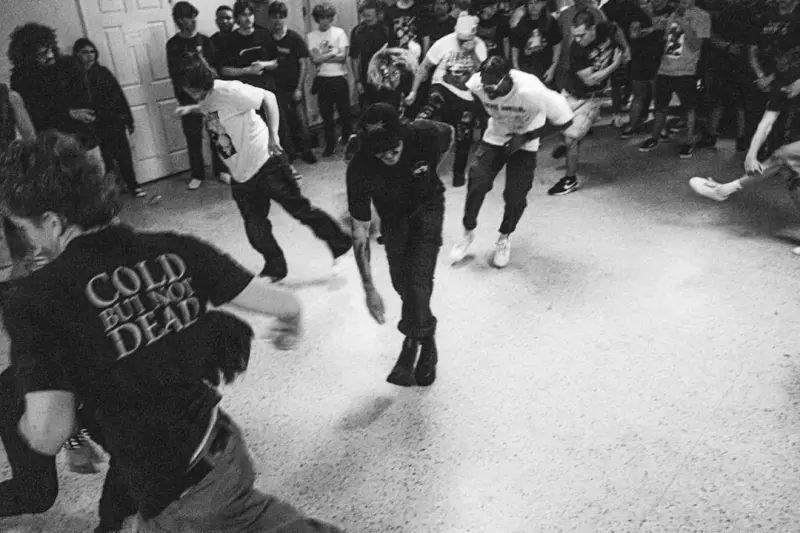
When Beats Meet Feet: The Rise of Rhythm‑Driven Workouts
Hey there, it’s Nikki. If you’ve ever caught yourself dancing in the kitchen while the blender whirrs, you already know that sound can turn a mundane moment into a mini‑celebration. I’ve been experimenting with that same principle in the gym, and the results have been nothing short of electrifying. In this post, I’m pulling back the curtain on the newest trend that’s turning ordinary sweat sessions into kinetic concerts: rhythm‑driven workouts. Think of it as a mash‑up between a DJ set and a HIIT class, where the beat isn’t just background noise—it’s the engine powering every rep, jump, and sprint.
The Science Behind the Groove
Before we dive into playlists and pulse‑pounding routines, let’s talk biology. When you hear a steady beat, your brain’s motor cortex lights up, priming your muscles for movement. This phenomenon, known as auditory‑motor entrainment, essentially syncs your internal timing with external rhythms. In practice, it means your body can find a natural cadence that reduces perceived exertion and boosts efficiency.
Research shows that exercising to music with a strong, consistent beat can increase endurance by up to 15% and improve power output by roughly 12%. The reason? Your nervous system doesn’t have to work as hard to set a tempo— the music does the heavy lifting for you. The result is a smoother, more enjoyable session that feels less like a chore and more like a flow state.
Crafting the Perfect Rhythm‑Driven Routine
Creating a rhythm‑driven workout isn’t about slapping on any playlist and hoping for the best. It’s a deliberate process that aligns tempo, intensity, and movement patterns. Below is my step‑by‑step framework that you can customize to fit any fitness level or training goal.
- Identify Your Goal: Are you training for a marathon, building strength, or just looking to shake off the afternoon slump? Your objective dictates the BPM (beats per minute) range you’ll target.
- Choose the Right BPM:
- Low‑intensity cardio (walking, light jog) – 100‑120 BPM
- Moderate cardio (steady‑state run, cycling) – 120‑140 BPM
- High‑intensity intervals – 140‑160 BPM
- Power lifts and plyometrics – 150‑180 BPM (short bursts)
- Map Beats to Movements: Pair specific moves with musical cues. For example, a snare hit could signal a squat, while a bass drop triggers a sprint.
- Build a Setlist: Curate tracks that transition smoothly between BPM ranges. Use key changes to cue shifts in exercise intensity.
- Test and Tweak: Run through the routine once, note where you feel out of sync, and adjust either the music or the movement timing.
When I first tried this approach, I started with a simple 30‑minute circuit: 45 seconds of jumping jacks, 15 seconds rest, 45 seconds of kettlebell swings, and so on— all timed to a high‑energy EDM track at 150 BPM. The result? I didn’t notice the clock ticking, and my heart rate stayed in the target zone without the usual “burnout” spikes.
Playlist Architecture: More Than Just Hits
Let’s be real— the Spotify “Top 50” won’t cut it for a structured rhythm workout. You need tracks that have clear, steady beats and predictable phrasing. Here’s how I build my playlists:
- Kickoff Track: Start with a 2‑minute warm‑up tune at 100‑110 BPM. Think of it as a musical pre‑flight check.
- Peak Phase: Follow with a series of 3‑minute tracks that gradually climb to 150‑160 BPM. This mirrors the progressive overload principle.
- Recovery Interlude: Insert a 1‑minute low‑tempo track (80‑90 BPM) after each high‑intensity block. It’s your auditory cool‑down.
- Finisher: End with a triumphant, high‑energy anthem that leaves you buzzing.
Pro tip: Use songs with strong percussive elements (drums, claps, electronic beats) rather than melodic ballads. Percussion provides the rhythmic anchor your brain latches onto.
Integrating Rhythm Into Different Modalities
While I love the cardio‑heavy approach, rhythm can be a game‑changer across a spectrum of exercises.
Strength Training
When you’re lifting, the beat can serve as a metronome for tempo. For a classic 4‑2‑1‑0 tempo (4 seconds down, 2 pause, 1 up, no pause), match each phase to a quarter‑note in a 120‑BPM track. This not only improves form but also keeps you from “cheating” the rep speed.
Yoga & Mobility
Flow‑based practices like Vinyasa already rely on breath‑linked movement. Adding a subtle rhythmic layer— say a low‑frequency drum at 60 BPM— can deepen the mind‑body connection, making each transition feel more intentional.
Team Sports & Group Classes
Coaches are starting to use rhythm to synchronize team drills. Imagine a soccer squad practicing passing drills to a consistent 140‑BPM beat; the timing improves passing accuracy and creates an almost musical cohesion on the field.
Technology Meets Rhythm
If you’re a gadget lover like me, there are several tools that make rhythm‑driven training easier than ever:
- Smart Wearables: Devices that detect your cadence can automatically adjust the music tempo in real time, keeping you locked in.
- Audio‑Responsive Apps: Apps like “BeatFit” analyze your movement patterns and curate a dynamic playlist that shifts BPM as you fatigue.
- Wearable Speakers: Portable, Bluetooth‑enabled speakers with built‑in beat detection can sync the room’s ambient sound to your workout pace.
One of my favorite hacks is to pair a smartwatch with a music‑streaming service that supports “tempo‑matching”. I set my target heart‑rate zone, and the app tweaks the BPM of each track to keep my pulse where I want it. It’s like having a personal trainer and a DJ in your pocket.
Mindful Rhythm: Balancing Energy and Recovery
It’s easy to get swept up in the high‑octane vibe, but remember: recovery is just as crucial as the beat. After an intense rhythm session, give yourself a “musical cooldown” with slower, ambient tracks (around 80 BPM). This helps bring your heart rate down gradually and signals your nervous system that it’s time to shift from fight‑or‑flight mode to repair mode.
If you want a deeper dive into smart recovery, check out smart recovery hacks that blend breathing techniques with low‑tempo soundscapes.
Real‑World Success Stories
To prove this isn’t just a personal hobby, I reached out to three professionals who have integrated rhythm into their routines:
- Maria, a corporate trainer: She switched her group boot‑camp to a beat‑driven format and saw class attendance jump 30%. Participants reported feeling “more energized” and “less bored”.
- Jamal, an amateur boxer: By timing his shadow‑boxing to a 150‑BPM hip‑hop track, his footwork speed increased by 12% over six weeks.
- Elena, a senior executive: She uses a 100‑BPM playlist for her lunchtime walks, claiming it helps her maintain a conversational pace while still achieving a solid cardio stimulus.
These anecdotes echo the data: aligning movement with music isn’t just a feel‑good trick—it can measurably enhance performance.
Getting Started: Your First Rhythm‑Driven Session
Ready to give it a whirl? Here’s a beginner‑friendly 20‑minute routine you can try right now, no equipment needed.
- Warm‑Up (3 minutes, 100 BPM): Light marching in place, arm circles, and gentle torso twists. Let the beat guide your breathing: inhale on the downbeat, exhale on the offbeat.
- Cardio Block (6 minutes, 140 BPM): Alternate 45 seconds of high knees with 15 seconds rest, timed to the snare hits. Then jump to 45 seconds of squat jumps, again using the beat as your cue.
- Strength Block (5 minutes, 120 BPM): Perform bodyweight squats, lunges, and push‑ups, each lasting 4 beats down, 2 beats pause, 1 beat up. Use a steady rhythm track to keep the tempo consistent.
- Core Finale (3 minutes, 130 BPM): Russian twists and plank shoulder taps, each movement aligning with a beat.
- Cooldown (3 minutes, 80 BPM): Slow walking, deep breathing, and gentle stretching. Let the music wind down with you.
If you’re looking for a more structured program, consider exploring turning everyday journeys into a fitness adventure— it offers a roadmap for turning commutes and errands into rhythmic training opportunities.
Common Pitfalls and How to Avoid Them
Even the most enthusiastic beat‑junkie can stumble. Here are the usual roadblocks and quick fixes:
- Over‑reliance on Music: If the song stops, you might lose momentum. Mitigate this by training to internalize the tempo; hum or tap the beat in your head when the music fades.
- Choosing the Wrong Genre: Some genres (ambient, classical) lack a strong percussive backbone and can make timing fuzzy. Stick to EDM, hip‑hop, or pop with clear beats.
- Ignoring Form for Fun: It’s easy to get caught up in matching the beat and sacrifice technique. Periodically pause the music to check posture and alignment.
- Neglecting Recovery: The high‑energy vibe can trick you into skipping cooldowns. Schedule a 5‑minute low‑tempo segment at the end of every session.
Future Directions: The Next Wave of Rhythm‑Based Training
We’re just scratching the surface. Imagine a world where virtual reality immerses you in a 3‑D soundscape that reacts to your movement, or AI‑generated beats that adapt in real time based on fatigue metrics. Companies are already prototyping “beat‑responsive treadmills” that automatically adjust incline to match the intensity of the track.
As a community of movers, we can push these innovations forward by sharing our playlists, data, and stories. The more we experiment, the richer the collective knowledge becomes— and the more fun our workouts will be.
Wrapping Up the Beat
Music has always been a universal language, and now it’s also becoming a universal training partner. By harnessing the power of rhythm, you can transform dull repetitions into a symphony of motion, amplify your performance, and maybe even discover a new love for the soundtrack of your sweat.
So, fire up your favorite beats, lace up those shoes, and let the rhythm move you. Your next personal record might just be a few BPM away.

Nikki McDonald is a freelancer based in Waterloo. She brings her skills and expertise to various projects, balancing her professional work with a personal life that includes her husband, Stewart.
Related Posts

Turn Everyday Tasks into a Fitness Game: A Playful Blueprint
Learn to transform daily chores into a high‑score fitness game, using points, micro‑missions, an... Read More
Why Playful Micro‑Movements Are the Next Fitness Frontier
Micro‑movement redefines exercise as short, playful bursts that fit into any schedule. Learn why t... Read More
Why Moving to Music Can Supercharge Executive Creativity
Discover a fresh, data‑backed approach to executive wellness: short, music‑driven movement sessi... Read More
Top Posts

The Silent Ally: Harnessing Workplace Data to Detect Cancer Early
By leveraging existing wellness data, AI analytics, and a privacy‑first approach, companies can turn everyday health metrics into early cancer detection alert...Read More

Micro‑Progress Mastery: Redefining Muscle Gain for Busy Professionals
A fresh take on building muscle focuses on micro‑progress, strategic recovery, and nutrient quality, offering busy professionals a realistic roadmap to steady...Read More

Quieting the Night: Unexpected Strategies to Outsmart Insomnia
A fresh take on insomnia: learn how light, hydration, micro‑rituals, and gut health can reset your night and bring back restful sleep....Read More

Brain‑Powered Hypertrophy: The Cognitive Edge to Faster Muscle Gains
Learn to train your brain alongside your biceps by using mental rehearsal, neural‑focused training methods, and wearable tech, unlocking faster, sustainable m...Read More
0 Comments
Post Comment
You will need to Login or Register to comment on this post!