
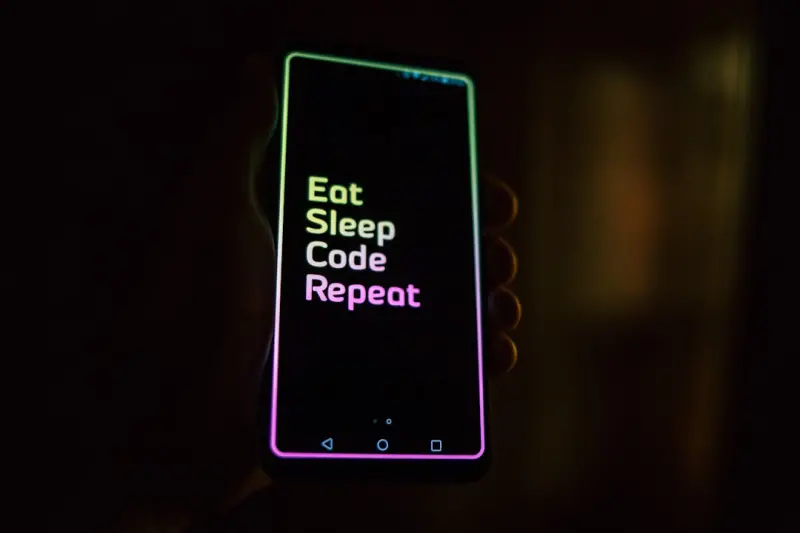
Why “Digital Dusk” Beats Traditional Sleep Hacks
Insomnia feels like an uninvited guest that refuses to leave the party, even after you’ve tried every classic remedy—counting sheep, a warm glass of milk, or the occasional lavender pillow spray. What if the problem isn’t the lack of a “sleep aid” at all, but the way our evenings have become a relentless barrage of data, light, and unfinished narratives? I call this phenomenon Digital Dusk: the period between the moment we stop working and the moment we finally lay our heads down, during which our devices, notifications, and even the stories we consume keep our brains stuck in “high alert.”
The Brain’s Evening Timeline—A Quick Primer
To understand why insomnia persists, we need to peek at the brain’s natural rhythm. Around sunset, the hypothalamus begins to release melatonin, the hormone that signals it’s time to wind down. Simultaneously, the suprachiasmatic nucleus (SCN) reduces cortisol, the “stress hormone,” preparing us for rest. This cascade is delicate; any disruption—especially bright, blue‑rich light or a sudden notification—can reset the SCN and keep melatonin levels low. The result? A brain that’s still primed for problem‑solving when you should be drifting off.
Three Overlooked Culprits in the Digital Dusk
- Screen Light Spectrum: Not all light is equal. Blue wavelengths (≈460 nm) are particularly effective at suppressing melatonin. Even a dim phone screen can have a measurable impact on sleep latency.
- Notification Interruptions: A buzz or popup triggers the brain’s “orienting response,” a reflex that momentarily spikes adrenaline. Multiple interruptions compound this effect.
- Unfinished Narrative Loops
We’re wired to seek closure. If you binge‑watch a series and stop on a cliffhanger, or leave an email thread hanging, your brain keeps rehearsing possible outcomes. This mental rehearsal keeps the default mode network active, making it harder to transition into the restorative “offline” mode needed for sleep.
Re‑Engineering the Evening: The Digital Dusk Protocol
Below is a step‑by‑step protocol that reframes the last two hours of your day. Each step is grounded in neuroscience and practical enough to fit into even the busiest professional schedule.
1. Initiate a “Screen Sunset” 90 Minutes Before Bed
Set an alarm or calendar reminder titled “Screen Sunset.” When it goes off, switch all devices to warm‑tone or night‑shift modes. Better yet, use hardware filters (e.g., amber screen protectors) that block >90% of blue light. If you can, transition to a dedicated “offline” device—such as an e‑ink reader or a paper notebook—for the final half hour.
2. Deploy a Notification “Blackout” Zone
Most smartphones allow “Do Not Disturb” schedules. Create a custom profile that silences all non‑essential alerts from the moment you trigger “Screen Sunset” until you wake up. For work‑related messages, set an auto‑reply that informs senders you’ll respond in the morning. This removes the orienting response trigger and lets cortisol levels naturally decline.
3. Close the Narrative Loop
Spend ten minutes jotting down unresolved thoughts—work items, personal worries, or plot points from a TV show. The act of externalizing these threads offloads them from working memory. You can also employ a “story‑closure” ritual: watch a brief, calming documentary segment that resolves cleanly, or read a short story with a clear ending.
4. Engage a Multisensory Wind‑Down
Research shows that pairing dim, warm lighting with soothing ambient sounds can accelerate the transition to sleep. Consider a low‑intensity amber lamp and a playlist of nature sounds (rain, distant ocean). If you enjoy aromatherapy, a few drops of cedarwood or chamomile on a diffuser can further cue the parasympathetic nervous system.
For a deeper dive into how aroma, touch, and sound can calm the nervous system, check out using aroma and touch to calm the nervous system. The principles are the same, but applied to an evening context.
5. Optimize Light Exposure During the Day
The “Digital Dusk” strategy works best when your daytime light exposure is robust. Aim for at least 30 minutes of natural sunlight in the morning. This strengthens the SCN’s ability to recognize the evening dimming cue, making the transition to melatonin release more pronounced.
Curious about how light influences brain performance beyond sleep? Read how light influences brain performance for a science‑backed overview.
Why Conventional Sleep Advice Falls Short
Traditional insomnia advice often focuses on “what not to do”—no caffeine after 5 p.m., no heavy meals before bed. While useful, these tips ignore the active role of our environment in shaping the brain’s sleep circuitry. By merely removing the “bad” factors, you leave a vacuum where the brain can still drift into high‑frequency activity, especially if the narrative loop remains open.
Think of the brain as a concert hall. If you dim the lights (reduce blue light) and silence the crowd (notifications), the hall still echoes if the musicians (unfinished thoughts) keep playing. The Digital Dusk protocol addresses both the stage lighting and the performance itself.
Science‑Backed Benefits You’ll Notice
- Reduced Sleep Latency: Studies show that a 30‑minute reduction in evening blue light can cut the time it takes to fall asleep by up to 20%.
- Improved Sleep Architecture: Fewer nighttime awakenings and a higher proportion of deep (slow‑wave) sleep when the brain isn’t constantly processing external alerts.
- Enhanced Morning Cognition: Participants report sharper focus and less “brain fog” after consistently applying a Digital Dusk routine for two weeks.
Case Study: From 3‑Hour Toss‑and‑Turn Nights to 7‑Hour Sleep
Emily, a product manager at a fast‑growing SaaS firm, struggled with nightly wake‑ups despite trying melatonin and “sleep‑only” podcasts. She adopted the Digital Dusk protocol:
- Screen Sunset at 8:30 p.m.; warm‑tone mode on all devices.
- Do Not Disturb schedule activated, auto‑reply set for “I’ll respond tomorrow morning.”
- Ten‑minute “brain dump” in a notebook, focusing on both work and personal narratives.
- Amber lamp, rain sounds, and a dab of lavender oil.
After ten days, her average sleep latency dropped from 45 minutes to under 10 minutes, and she consistently logged 7–7.5 hours of restorative sleep. Her productivity scores, measured via weekly self‑assessment, increased by 15%.
Addressing Common Pushbacks
“I need to stay reachable for emergencies.”
Set up a “priority contact” exception within your Do Not Disturb profile. Most platforms let you whitelist a single number or app. The brain still perceives a reduced alert load because the majority of notifications are silenced.
“I’m a night‑owl; I work best after dark.”
Even night‑owls benefit from a consistent light hierarchy. Use a red‑tinted lamp for late‑night work; red light has the least impact on melatonin. Then transition to warm amber for the final hour before sleep.
“My job requires constant screen monitoring.”
If you truly can’t step away from a screen, invest in a hardware blue‑light filter and a high‑contrast, low‑brightness UI theme. Pair it with a short mindfulness micro‑break every 30 minutes to reset the autonomic nervous system.
Integrating the Protocol Into Team Culture
Insomnia isn’t just an individual problem; it ripples through teams, affecting meeting effectiveness and creative output. Consider rolling out a “Digital Dusk Challenge” for a month:
- Provide employees with a guide and optional amber desk lamp.
- Track sleep quality anonymously via a quick survey.
- Reward departments that show the greatest improvement in collective sleep metrics.
This approach not only improves health outcomes but also signals that the organization values holistic performance—not just quarterly KPIs.
Future Directions: Personalizing the Dusk
As wearable tech evolves, we’ll see adaptive “dusk” settings that automatically adjust screen temperature based on real‑time melatonin readings. Imagine a smartwatch that detects a drop in heart‑rate variability and triggers a soft amber glow on your desk lamp, while silencing all non‑essential alerts. Until then, the manual protocol remains a high‑impact, low‑cost solution.
Take the First Step Tonight
Insomnia thrives on inconsistency. Choose a single night this week to implement the Digital Dusk protocol from start to finish. Write down the time you initiate “Screen Sunset,” set your notification blackout, and record how long it takes to drift off. The data you gather will become a personal feedback loop, empowering you to fine‑tune the routine.
Remember, the goal isn’t to eliminate technology—it’s to orchestrate it so that it supports, rather than sabotages, your natural sleep architecture. When the lights dim, the mind should follow.

Brody Lambert is an emerging freelance writer whose fresh voice and thoughtful approach are quickly making their mark. As a fairly new entrant in the world of freelance writing, Brody brings a blend of curiosity and dedication that fuels every project, crafting stories and content that resonate with authenticity and clarity.
Related Posts

The Unraveling of Sleep: A Personal Journey with Insomnia
A personal journey with insomnia, exploring holistic approaches to managing sleep disorders, includi... Read More

Decoding Insomnia: Tiny Nighttime Tweaks to Reset Your Brain
A fresh look at insomnia reveals how gut health, light exposure, micro‑habits, and personal data c... Read More
When the Clock Won’t Stop Ticking: Turning Insomnia into a Nighttime Advantage
Learn how to reframe sleeplessness, craft a sensory sanctuary, use breathwork, and leverage data‑d... Read More
Top Posts

From Vapor to Vitality: A Holistic Path to Quitting Smoking and Vaping
A personal, holistic journey from nicotine dependence to vibrant health, offering practical tools, detox tips, and mindset shifts to help you quit smoking and v...Read More

When Cancer Meets Curiosity: Designing Resilience Beyond Treatment
A cancer diagnosis can become a catalyst for redesigning daily life. This article reveals how curiosity, micro‑rituals, narrative play, and personalized hydra...Read More

Blood Sugar as a Performance Lever: Timing, Movement, and Environment Hacks
Discover practical strategies to turn blood sugar from a hidden liability into a strategic advantage, using timing, environment tweaks, and movement to maintain...Read More
The Quiet Revolution: Redesigning Everyday Tech for Narcolepsy
A deep dive into how adaptive digital tools, AI‑driven alerts, and community‑focused design can transform everyday technology into allies for those living w...Read More
0 Comments
Post Comment
You will need to Login or Register to comment on this post!