

The Early Shock: Facing the Diagnosis
When the doctor’s words finally settled into the sterile room, a wave of disbelief crashed over me, pulling my thoughts into a vortex of “what‑if” and “how‑now,” each question echoing louder than the last, and I realized that the narrative I had carefully scripted for my life was about to be rewritten in ways I could never have imagined, a realization that felt both terrifying and oddly liberating as I began to understand that fear, when acknowledged, could become a catalyst rather than a cage. In that moment, I made a silent promise to treat my body not as a battlefield but as a sanctuary, and I started to search for a path that honored both my medical treatment and my yearning for wholeness, a path that would eventually lead me to the gentle wisdom of holistic care that embraces mind, body, and spirit in equal measure. The first step was to confront the stigma that cancer is solely a medical event, and I discovered a community of survivors who spoke openly about integrating nutrition, mindfulness, and creative expression into their healing journeys, reminding me that the story does not end at the diagnosis.
With the shock still echoing, I turned my attention to the practicalities of living with cancer, and one of the most empowering actions I took was to explore resources that framed the experience as a holistic voyage rather than a passive ordeal, leading me to read Living Beyond Diagnosis: A Holistic Journey Through Cancer, a guide that illuminated how diet, breathwork, and compassionate self‑talk can coexist with chemotherapy and radiation, creating a supportive matrix that nurtures resilience. The article’s emphasis on listening to my body’s subtle signals reminded me that my intuition is a trusted ally, especially when the clinical schedule feels relentless, and I began to chart a daily ritual that honored my energy cycles, allowing me to rest when fatigue whispered and move when vitality surged. This intentional dance between medical appointments and self‑care practices laid the foundation for a more balanced, hopeful outlook.
Nutrition, often dismissed as a secondary concern during treatment, quickly rose to the forefront of my healing strategy, and I discovered that food can be both medicine and comfort, a duality that sparked curiosity about how the right nutrients could support my immune system while soothing the emotional turbulence that accompanies a cancer diagnosis. I dove into the science of anti‑inflammatory foods, learning that vibrant vegetables, omega‑rich fish, and fermented probiotics not only fortify cellular defenses but also stabilize mood by influencing gut‑brain pathways, a revelation that transformed my grocery list into a purposeful act of love. By preparing meals that were colorful, nutrient‑dense, and tailored to my evolving taste buds, I reclaimed a sense of agency, turning each bite into a mindful affirmation that I was nourishing the very cells fighting alongside me.
Building a Holistic Support System
Beyond the plate, mental wellness emerged as a critical pillar, and I recognized early that the emotional weight of a cancer journey can be as demanding as the physical side effects, prompting me to seek out practices that quiet the mind while strengthening resolve, such as guided meditation, expressive journaling, and gentle yoga sequences designed for compromised stamina, each offering a sanctuary where fear could be observed without judgment. The process of naming my anxieties, writing them down, and then releasing them onto the page acted like a psychological exhale, clearing mental fog and creating space for optimism to re‑enter, a technique I later shared with fellow patients during support group circles, where collective storytelling became a therapeutic chorus echoing resilience. This intentional mental choreography helped me maintain a clearer vision of my goals, reinforcing the belief that my thoughts could influence my body’s capacity to heal.
Physical movement, despite the temptation to remain still, proved to be another cornerstone of my holistic regimen, and I learned to honor my body's signals by incorporating low‑impact activities such as short walks, chair‑based stretches, and tai chi, each calibrated to my energy levels and designed to stimulate circulation, preserve muscle mass, and release endorphins that naturally combat pain and depression; even on days when chemotherapy left me feeling drained, a gentle 10‑minute session of mindful movement reminded me that my body was still capable of purposeful action. Over time, these modest sessions accumulated into a rhythm that not only improved my stamina but also deepened my connection to the present moment, turning each breath into a celebration of life’s continuity, a reminder that healing is a dynamic, evolving process rather than a static endpoint.
Community, often undervalued in clinical settings, became an unexpected lifeline, and I found solace in both online forums and local meet‑ups where survivors exchanged recipes, coping strategies, and stories of triumph, fostering a sense of belonging that softened the isolation that cancer can impose, while also providing practical tips such as how to manage side effects during travel or navigate the emotional terrain of family dynamics; these peer‑to‑peer connections acted as a mirror reflecting my own strength, encouraging me to keep moving forward even on the darkest days. Additionally, I reached out to holistic practitioners—nutritionists, integrative physicians, and massage therapists—who offered complementary perspectives that aligned with my desire for a whole‑person approach, reinforcing the idea that healing thrives in a collaborative ecosystem where expertise is shared rather than siloed.
Financial considerations, an often‑overlooked stressor, prompted me to become an advocate for myself within the labyrinth of health insurance, and I spent hours deciphering policy language, appealing denied claims, and negotiating for coverage of complementary therapies that could enhance my quality of life, such as acupuncture and therapeutic massage; this proactive stance not only alleviated monetary pressure but also empowered me to view insurance as a partner rather than an adversary, a shift that many patients overlook in the urgency of treatment decisions. By documenting every appointment, medication, and supplemental service, I built a comprehensive dossier that proved invaluable when contesting denials, turning what could have been a financial nightmare into a manageable, transparent process that allowed me to focus more fully on recovery.
Mind‑body synergy, a concept that once seemed abstract, materialized vividly as I integrated practices that harmonized mental clarity with physiological health, and I discovered that the brain’s capacity for neuroplasticity can be harnessed through intentional focus, as detailed in Nurturing Your Mind: A Holistic Guide to Peak Brain Health, which outlines how mindfulness, balanced nutrition, and adequate sleep collectively enhance cognitive function even amidst aggressive treatment schedules; by prioritizing these elements, I observed improvements in memory, mood stability, and overall mental agility, underscoring the profound interconnection between thoughts and cellular resilience. This awareness prompted me to schedule daily “brain breaks,” brief moments of silence or deep breathing that acted like mini‑reset buttons, allowing stress hormones to recede and paving the way for more effective healing responses.
Looking ahead, I began to contemplate the long‑term implications of surviving cancer, recognizing that the journey does not end with remission but evolves into a continuous commitment to vibrant, healthy aging, a theme explored in Holistic Strategies for Vibrant Healthy Aging, where the emphasis on lifelong movement, purposeful nutrition, and purposeful social engagement resonated deeply with my new perspective; I started to integrate strength‑building exercises, antioxidant‑rich meals, and regular community volunteering into my routine, each action reinforcing a future where I could thrive, not merely survive. This forward‑looking mindset transformed my relationship with cancer from a looming deadline to a catalyst for cultivating a richer, more intentional life, encouraging me to celebrate each small victory as a stepping stone toward sustained well‑being.
In the final analysis, my cancer experience has become a tapestry woven from medical science, holistic wisdom, and personal courage, and while the road remains unpredictable, the tools I have gathered—mindful nutrition, compassionate movement, supportive networks, and empowered advocacy—form a resilient framework that can adapt to whatever challenges arise, offering both comfort and confidence; I share this story not as a prescription but as an invitation for others to explore the expansive possibilities that lie beyond the conventional treatment narrative. If you find yourself standing at the crossroads of uncertainty, remember that every small, intentional choice builds a foundation of strength, and by embracing a holistic lens, you can illuminate the path forward with hope, purpose, and an unwavering belief in your own capacity to heal.

Kelly Reynolds is a dynamic freelance writer hailing from the picturesque landscapes of Alberta. A master of the written word, she juggles her passion for storytelling with the exhilarating chaos of being a mother to five spirited children. With an impressive portfolio that spans various genres, Kelly captivates readers through her engaging blog posts and thought-provoking articles.
Related Posts
When Stories Heal: The Unexpected Role of Narrative in Cancer Recovery
Discover the transformative power of narrative medicine in cancer care—learn practical storytellin... Read More
The Healing Power of Storytelling and Creative Expression in Cancer Care
Exploring the under‑used power of storytelling, art, and community, this piece shows how patients ... Read More
The Role of Nutrition in Cancer Treatment: A Comprehensive Approach
A well-balanced diet can help support the body's natural defenses, reduce the risk of cancer recurre... Read More
Top Posts
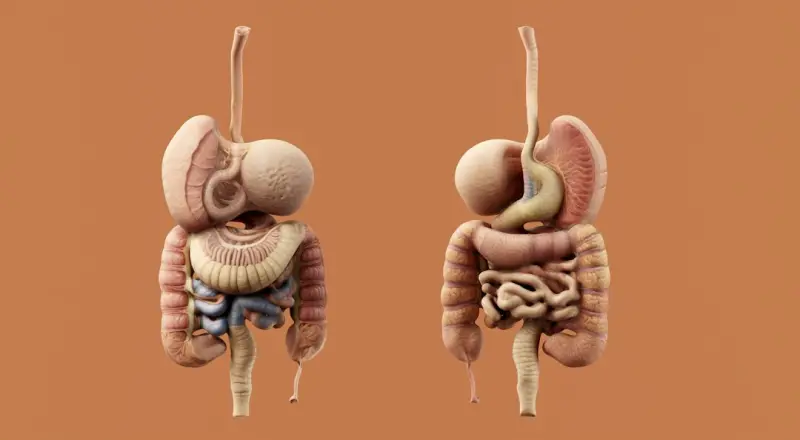
The Microbial Muse: How Gut Health Fuels Creative Excellence in SaaS
A fresh look at gut health reveals its powerful influence on creativity and mental agility, offering actionable habits for individuals and teams in the SaaS ind...Read More

Rewiring Female Stress Response: A Biofeedback Blueprint for Modern Women
A fresh, data‑driven guide helps women harness biofeedback, hormonal cycles, and gut‑vagal nutrition to transform stress into a measurable, manageable ally....Read More
Living With Autoimmune Disease in the Age of Data and Connection
A data‑driven roadmap for autoimmune patients: from wearables and nutrition timing to workplace accommodations, turning everyday metrics into actionable healt...Read More

Why the New Wave of Holistic Exercise Is Changing My Fitness Journey
I dive into the latest holistic exercise trends that transformed my routine, blending mind‑body care with functional strength for lasting health and vitality....Read More
0 Comments
Post Comment
You will need to Login or Register to comment on this post!