
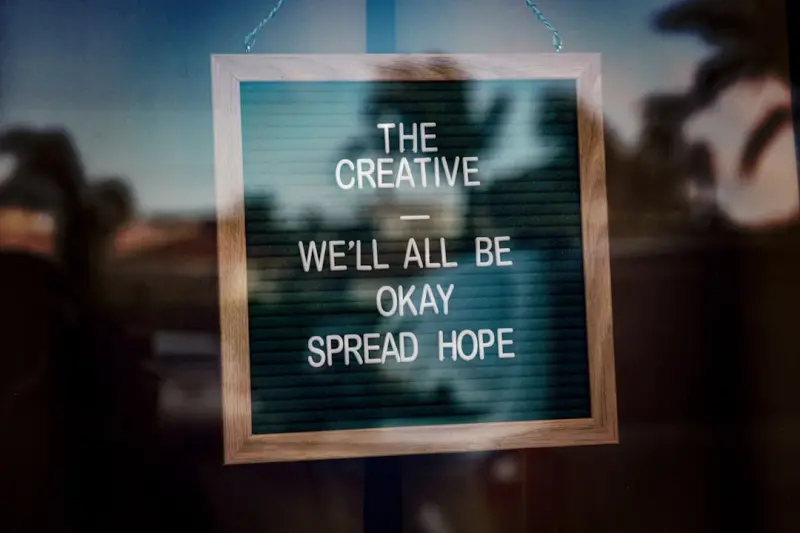
When I first learned that a close friend had been diagnosed with cancer, the flood of medical jargon, appointment schedules, and endless statistics made my head spin. I found myself clutching at anything that felt human—stories, sketches, playlists, even a simple notebook where we could jot down the day’s highs and lows. It was in those moments that I realized cancer isn’t just a disease of the body; it’s a narrative that reshapes identity, relationships, and the very way we see the world. This post is a deep dive into why weaving personal stories and creative expression into cancer care can become a powerful, often under‑appreciated, form of healing.
1. The Narrative Gap in Traditional Oncology
Oncology has made astonishing strides in diagnostics, targeted therapies, and survivorship programs. Yet, the conventional model still leans heavily on lab results and treatment protocols, leaving a narrative gap where patients’ lived experiences should reside. When clinicians focus solely on tumor markers, the emotional and psychological layers of a person’s journey can get sidelined.
Imagine a patient who feels like a series of numbers on a chart—white blood cell count, tumor size, dosage levels—rather than a whole person with hopes, fears, and memories. That reductionist view can erode agency, increase anxiety, and even affect treatment adherence. Bridging this gap with storytelling restores agency, letting patients re‑claim authorship of their own health story.
2. Storytelling as a Therapeutic Tool
Research in narrative medicine shows that constructing a coherent story about illness can reduce stress hormones, improve immune function, and foster a sense of purpose. When you write—or speak—about your experience, you’re not just documenting facts; you’re giving meaning to chaotic events, which in turn can calm the nervous system.
- Externalizing the Disease: By framing cancer as a character in a story, patients can separate their identity from the disease. “I’m the protagonist, cancer is the antagonist,” becomes a powerful mental model.
- Finding Patterns and Insights: Journaling reveals recurring emotional triggers, coping mechanisms that work, and moments of unexpected joy.
- Creating a Legacy: Stories can be passed down to loved ones, turning personal struggle into collective wisdom.
3. Creative Outlets: From Paintbrushes to Playlists
While narrative writing is a cornerstone, the broader realm of creative expression—art, music, photography, dance—offers additional pathways for emotional release. Engaging the brain’s reward circuitry through creativity can elevate dopamine and serotonin levels, counterbalancing the depressive impact of chronic illness.
One of my favorite resources for integrating creative practices into daily life is breathwork techniques. Simple breath exercises combined with a favorite song or a walk in nature can transform a moment of panic into a calm, centered experience.
Another surprising ally is nutrition that fuels both body and mind. Studies indicate that certain foods support neuroplasticity, which can enhance the capacity for creative thinking. Check out brain‑boosting nutrition to discover meals that keep the creative spark alive.
4. Building a Community of Narrative Allies
Storytelling thrives in community. When patients share drafts of their journals or pieces of artwork with peers, they receive validation, new perspectives, and a sense of belonging. Online forums, local support groups, and even workplace wellness programs can serve as safe spaces for this exchange.
Here are three practical steps to cultivate a narrative community:
- Start a Story Circle: Organize a monthly meet‑up—virtual or in‑person—where participants share a short story, poem, or visual piece related to their journey.
- Leverage Social Media Wisely: Use private groups or hashtags to curate content that’s supportive rather than sensationalist.
- Partner with Creative Professionals: Invite local artists, writers, or musicians to lead workshops that guide patients in translating emotions into art.
5. Digital Tools: Tracking Symptoms Through Narrative
Technology is rapidly evolving to accommodate the narrative side of cancer care. Apps now allow patients to log not only physical symptoms but also mood, creative activities, and narrative reflections. When data points are visualized over time, patterns emerge that can inform both patients and clinicians.
For example, a symptom‑tracking app might reveal that a patient’s anxiety spikes after a particular chemotherapy session, but that same session coincides with a surge in creative output when they listen to music. This insight can prompt a clinician to recommend a short, structured art break before the next treatment.
Integrating these tools into routine oncology visits can create a richer, more nuanced picture of health—one that honors the body’s signals and the mind’s narrative.
6. The Role of Caregivers in Narrative Healing
Caregivers often feel sidelined, caught between medical logistics and emotional support. Encouraging them to participate in story‑building exercises can strengthen the bond and reduce caregiver burnout. Simple practices include:
- Co‑authoring a “memory book” that captures milestones, funny anecdotes, and hopes for the future.
- Recording audio reflections after appointments to process emotions together.
- Joining the patient’s creative sessions—whether that means painting side‑by‑side or curating a playlist.
When caregivers become co‑narrators, the shared story becomes a tapestry of resilience, rather than a single thread of struggle.
7. Integrating Narrative Care into Clinical Practice
Healthcare systems can embed narrative approaches by training providers in active listening and reflective writing. Some oncology centers already employ “story coaches” who guide patients in crafting their narratives. For clinics looking to start small, a simple intake questionnaire that asks “What does this diagnosis mean to you personally?” can open doors to deeper conversation.
Moreover, multidisciplinary teams—physicians, nurses, social workers, art therapists—can collaborate on personalized narrative care plans. By aligning medical treatment with creative expression, patients receive a more holistic, person‑centered experience.
8. Looking Forward: A Culture of Narrative Resilience
Imagine a future where every oncology clinic has a quiet corner filled with sketch pads, a library of music, and a digital platform for story sharing. Where patients leave appointments feeling heard, empowered, and creatively recharged. That future isn’t a fantasy; it’s an achievable shift in how we view cancer care.
To get there, we must champion narrative healing as a core component of survivorship, invest in research that quantifies its benefits, and, most importantly, listen to the stories patients are eager to tell.
Whether you’re a patient, a caregiver, a clinician, or simply someone who cares about the human side of health, consider adding a notebook, a paintbrush, or a playlist to your cancer‑care toolkit. The journey may be long, but a well‑crafted story can turn each step into a meaningful chapter.

Brandy Miller is a dynamic freelance writer based in the vibrant city of Cambridge, Ontario. With a passion for storytelling that knows no bounds, she crafts compelling narratives that captivate and inspire. Brandy’s love for writing shines through in her versatile work, whether she’s penning thought-provoking articles or engaging content that resonates with readers. Her unique perspective and friendly tone make her a sought-after voice in the writing community. When she’s not weaving words together, you can find her exploring the beautiful landscapes of Ontario, always seeking new adventures and inspiration for her next piece. Brandy is not just a writer; she’s a creative force, making her mark one word at a time.
Related Posts
When Cancer Meets Curiosity: Designing Resilience Beyond Treatment
A cancer diagnosis can become a catalyst for redesigning daily life. This article reveals how curios... Read More

Embracing Holistic Healing: My Path Through Cancer and Beyond
A candid, heart‑opening account of navigating cancer with holistic tools, from nutrition to mindse... Read More

Transforming Cancer Into Narrative: A Personal Blueprint for Healing Through Story
A cancer diagnosis can feel like a dead end, but by turning the experience into a personal story, yo... Read More
Top Posts

Finding Freedom From Food: A Holistic Journey Through Eating Disorders
A candid, first‑person guide revealing how mindset shifts, holistic tools, and smart insurance use can empower lasting recovery from eating disorders....Read More

Smart Volume: The Balanced Blueprint for Sustainable Muscle Gain
Smart Volume shifts focus from heavy lifting to a balanced mix of load modulation, time‑under‑tension, and strategic rest, offering a sustainable path to mu...Read More
Fueling Focus: How the Foods on Your Plate Shape Your Cognitive Rhythm
Explore a science‑backed approach to daily nutrition that aligns flavor, micronutrients, and brain chemistry, offering practical meal ideas to sustain focus, ...Read More
Revitalizing Your Liver: Everyday Strategies for a Resilient Organ
Explore easy, science‑backed habits that boost liver function, including diet swaps, stress‑reduction techniques, movement, and sleep strategies, all design...Read More
0 Comments
Post Comment
You will need to Login or Register to comment on this post!