
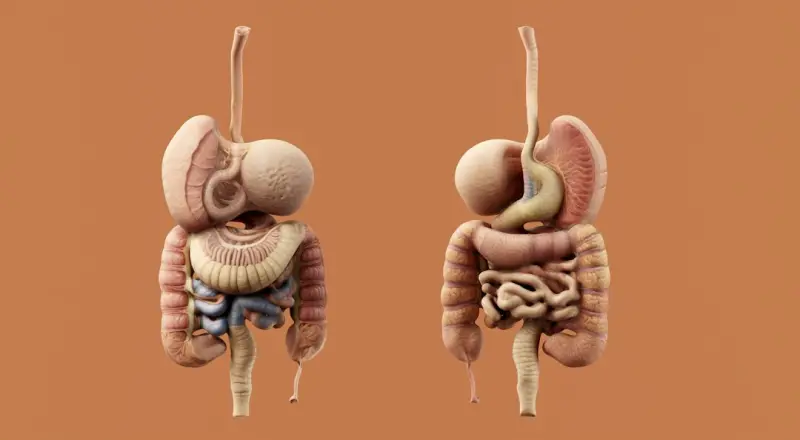
Why Your Gut Might Be the Secret Weapon Behind Your Creative Flow
When I first heard that the gut can talk to the brain, I laughed it off like most of us do with “gut feelings.” Fast forward a few months of personal experimentation, and I’ve discovered that my own gut microbiome has become a silent collaborator in my brainstorming sessions, client pitches, and even the way I write these posts. This isn’t about the typical digestive health checklist—no more “eat more fiber” or “avoid processed foods.” I’m talking about a nuanced, intentional partnership with the trillions of microbes living inside you, designed to boost creativity, focus, and the kind of mental agility that fuels a thriving B2B SaaS career.
The Science of the “Creative Gut”
Researchers have been uncovering the gut‑brain axis for years, but a newer wave of studies highlights a specific subset of bacteria that produce neuroactive compounds—think dopamine, serotonin, and GABA. These chemicals don’t just regulate mood; they also influence cognitive flexibility, the brain’s ability to switch between ideas and solve problems in novel ways. In one experiment, participants who consumed a probiotic blend rich in Lactobacillus plantarum showed a measurable uptick in divergent thinking tasks, the very type of mental gymnastics we use when designing a new product feature or drafting a client proposal.
What’s fascinating is that these microbes respond to what we feed them. Your diet becomes a direct line of communication with your creative center. It’s not just about “healthy gut” for the sake of avoiding bloating; it’s about optimizing the biochemical environment that fuels innovative thought.
My Personal “Gut‑Fuel” Routine
Below is a snapshot of the daily habits I’ve integrated, each backed by research and refined through trial and error. Feel free to experiment, but remember: the gut is highly individual, so listen to your body as you fine‑tune your own regimen.
- Morning Fermentation Boost: I start my day with a kefir smoothie—plain kefir, a handful of frozen berries, a scoop of collagen protein, and a dash of cinnamon. Kefir supplies a diverse array of live cultures, while the berries provide polyphenols that act as pre‑biotics, feeding the beneficial bacteria.
- Mid‑day Polyphenol Power: For lunch, I opt for a mixed greens salad topped with roasted beets, walnuts, and a drizzle of olive oil. The beets deliver betaine, which supports methylation pathways crucial for neurotransmitter synthesis. Walnuts are a source of omega‑3s that further enhance neuronal communication.
- Afternoon “Brain‑Gut” Snack: A small serving of dark chocolate (70%+ cacao) paired with a handful of fermented soy edamame. The cocoa flavanols have been shown to improve cerebral blood flow, while the edamame adds another probiotic punch.
- Evening Reset: I wind down with a cup of chamomile tea infused with a sprinkle of ginger and a spoonful of raw honey. Chamomile is soothing, but ginger adds a mild anti‑inflammatory boost that helps maintain a balanced gut environment overnight.
When I first introduced this routine, I noticed a subtle yet consistent rise in my ability to generate fresh ideas during the typical post‑lunch slump. Over a few weeks, the difference became undeniable—my mind felt clearer, and my “aha!” moments arrived more frequently.
Beyond Food: Lifestyle Factors That Nurture Your Microbial Muse
Nutrition is only part of the equation. Stress, sleep, and even your environment shape the gut’s capacity to support cognition.
Stress Management
Chronic stress releases cortisol, which can alter gut permeability and diminish microbial diversity. I incorporate short digital detoxes throughout my day—30‑minute windows where I step away from screens, practice deep breathing, or simply stare out the window. These micro‑breaks not only reduce cortisol spikes but also give the gut a chance to recalibrate.
Movement Matters
Even low‑impact activities like walking have been shown to increase short‑chain fatty acid production—a key fuel for both gut cells and brain neurons. I aim for a 10‑minute walk after each major meeting. It’s a simple habit, but the cumulative effect on my mental clarity has been profound.
Sleep Hygiene
Sleep is the ultimate restorative phase for the gut-brain axis. During deep sleep, the gut’s barrier function strengthens, and the microbiome undergoes a nightly rebalancing. I follow a tiny nighttime tweak routine: dim the lights an hour before bed, avoid caffeine after 2 p.m., and keep my bedroom cool to encourage melatonin production.
Connecting Gut Health to SaaS Performance
In the fast‑paced world of B2B SaaS, we’re constantly juggling metrics, client expectations, and product roadmaps. Cognitive stamina is a competitive advantage. Here’s how a gut‑centric approach can translate directly to business outcomes:
- Enhanced Problem‑Solving: A balanced microbiome can improve executive function, allowing teams to dissect complex technical challenges more efficiently.
- Reduced Burnout: By stabilizing mood‑regulating neurotransmitters, gut health helps mitigate the emotional rollercoaster that often leads to burnout.
- Improved Collaboration: Serotonin isn’t just the “happy hormone”; it also promotes social bonding. A gut that supports serotonin production can subtly boost team cohesion.
Imagine a product development sprint where every engineer feels mentally sharp, every marketer taps into fresh angles, and the sales team maintains a calm confidence during demos. That’s the ripple effect of a well‑tended gut ecosystem.
Practical Steps for Teams
While individual habits are essential, organizations can foster a gut‑friendly culture:
- Offer Fermented Food Options: Stock the office kitchen with kombucha, kimchi, and yogurt. Even a weekly “Ferment Friday” can spark conversations around health and creativity.
- Host Nutrition Workshops: Bring in a microbiome specialist to discuss how diet influences performance. Knowledge empowers employees to make informed choices.
- Encourage Movement Breaks: Implement “stretch and stroll” moments between meetings. A short walk can reset the gut’s rhythm and refresh mental focus.
- Integrate Stress‑Relief Practices: Provide quiet rooms for meditation or breathing exercises. Reducing stress translates to a healthier gut‑brain connection.
When Gut Health Meets Other Systems: The Liver Connection
It’s impossible to talk about gut performance without acknowledging the liver’s role in detoxification and metabolism. A well‑functioning liver clears out metabolic waste, preventing toxic buildup that can disrupt gut flora. If you’re looking to supercharge your creative engine, consider giving your liver the same attention you give your gut. A recent deep‑dive into liver wellness highlighted the power of targeted nutrients like milk thistle and N‑acetylcysteine. Pairing liver support with gut‑friendly foods creates a synergistic detox pathway that keeps both systems humming.
Experimentation: Tracking Your “Gut‑Creativity” Metrics
Just as we track SaaS KPIs, you can monitor gut‑related indicators to gauge progress:
- Energy Levels: Note fluctuations in mid‑day focus after adjusting meals.
- Idea Generation: Keep a “brainstorm log” and tally the number of viable concepts per session.
- Mood Stability: Use a simple mood‑tracking app to see if emotional swings decrease over time.
- Digestive Comfort: Less bloating and regularity often correlate with improved nutrient absorption.
After a few weeks, you’ll likely spot patterns—perhaps a certain probiotic works better for you, or a specific pre‑biotic fiber boosts your afternoon energy. This data‑driven approach mirrors the analytical mindset we use in product development.
Final Thoughts: Embrace the Microbial Muse
Your gut isn’t just a passive organ; it’s an active participant in the creative dance that drives innovation in the SaaS space. By feeding it mindfully, managing stress, and supporting complementary systems like the liver, you can unlock a wellspring of mental clarity and inventive energy. Think of your microbiome as a silent co‑founder—one that thrives on diversity, balance, and the right environmental cues. Treat it well, and watch your ideas flourish.

Nikki McDonald is a freelancer based in Waterloo. She brings her skills and expertise to various projects, balancing her professional work with a personal life that includes her husband, Stewart.
Related Posts
Gut Health as a Strategic Edge for Leaders
Executive Paul Gray explains why gut health matters for leadership, offering science‑backed strate... Read More

Gut Health Unlocked: A Holistic Journey to Balanced Digestion and Vitality
Explore a comprehensive, holistically‑focused guide to gut health, blending nutrition, stress mana... Read More

How Your Gut Microbiome Shapes Decisions and Boosts Creative Flow
Explore the hidden link between gut health and decision‑making, learn how fermented foods and preb... Read More
Top Posts

Micro‑Escapes: Tiny Mental Vacations That Boost Focus and Resilience
Micro‑escapes are short, purposeful breaks that shift the brain into restorative mode, reducing stress hormones and sharpening focus. Learn practical techniqu...Read More

Navigating Autoimmune Disease: A Holistic Roadmap to Everyday Resilience
A personal, holistic guide to managing autoimmune disease through gut health, mindful movement, restorative sleep, and stress reduction, empowering everyday res...Read More

Nurturing Your Baby's Gut: Early Steps for Lifelong Health
Learn how skin‑to‑skin contact, breastfeeding, gentle outdoor exposure, and mindful weaning can boost your newborn’s gut microbiome, laying a foundation f...Read More

Unmasking the Flavor Frontier: How Modern E‑Liquids Shape Your Respiratory Micro‑World
A deep dive into the complex chemistry of flavored e‑liquids reveals how they affect the respiratory microbiome, offering breathwork techniques, flavor‑cycl...Read More
0 Comments
Post Comment
You will need to Login or Register to comment on this post!