
Why Traditional Stress Advice Misses Women
For decades, the go‑to prescription for stress has been “exercise more, sleep better, and cut the caffeine.” While those basics are solid, they were largely derived from studies dominated by male participants. Women’s physiological response to stress is layered with hormonal cycles, differing autonomic nervous system (ANS) patterns, and social expectations that make a one‑size‑fits‑all approach ineffective.
Research shows that women experience a higher prevalence of anxiety and stress‑related disorders, yet they are less likely to receive diagnostic clarity. The root cause? A mismatch between generic stress‑management frameworks and the unique neuro‑endocrine wiring of the female body.
The Female Autonomic Nervous System: A Hidden Lever
The ANS is the part of the nervous system that controls involuntary functions—heart rate, digestion, respiratory rate, and the fight‑or‑flight response. It consists of two branches:
- Sympathetic nervous system (SNS): Triggers the classic “alarm” response.
- Parasympathetic nervous system (PNS): Initiates “rest‑and‑digest” recovery.
Women, on average, exhibit a more flexible SNS‑PNS balance, which is advantageous for multitasking but can become a double‑edged sword when chronic stress pushes the system into a prolonged sympathetic state. Over time, this can manifest as:
- Elevated resting heart rate
- Disrupted sleep architecture
- Digestive irregularities
- Hormonal volatility, especially around the menstrual cycle
Understanding this baseline flexibility is the first step in designing a stress‑resilience plan that truly fits women.
Biofeedback: Turning Invisible Signals into Actionable Data
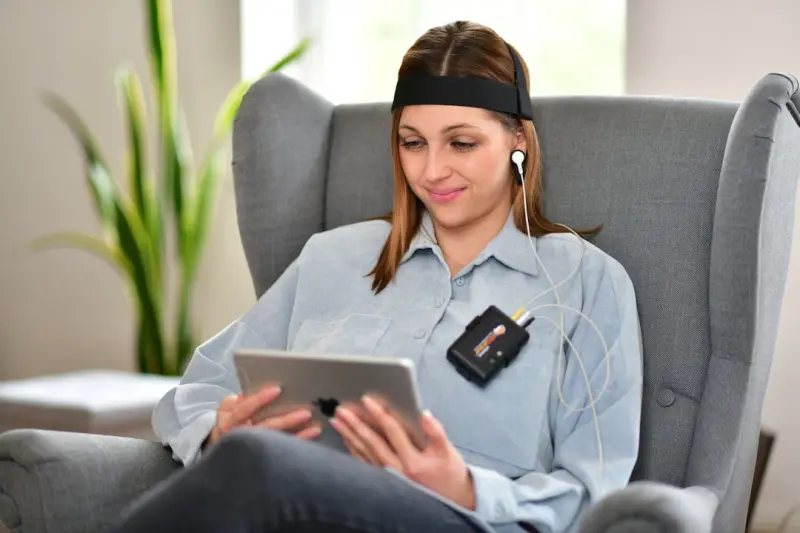
Biofeedback technology—ranging from heart‑rate variability (HRV) monitors to skin‑conductance sensors—offers a window into the ANS in real time. By visualizing the body’s stress markers, women can experiment with breathing patterns, posture adjustments, and micro‑movement breaks to see immediate physiological shifts.
Here’s a simple three‑step protocol to start:
- Measure baseline HRV: Use a wrist‑worn device or a chest strap for a 5‑minute resting reading each morning.
- Apply a 4‑7‑8 breath cycle: Inhale for 4 seconds, hold for 7, exhale for 8. Repeat for two minutes while watching HRV rise.
- Record the shift: Note the percentage increase in HRV. Aim for a 10‑15% boost after each session.
Consistency is key. Over weeks, the nervous system learns to favor parasympathetic activation on cue, effectively “rewiring” stress responses.
Integrating Hormonal Rhythms Into Stress Strategies
Unlike the static advice of “exercise daily,” women can align stress‑relief techniques with their menstrual phases:
- Follicular Phase (Day 1‑14): Energy and pain thresholds are higher. Prioritize high‑intensity interval training (HIIT) or demanding cognitive tasks.
- Luteal Phase (Day 15‑28): The body shifts toward PNS dominance naturally. Favor restorative yoga, gentle swimming, and reflective journaling.
This cyclical approach respects the body’s innate ebb and flow, preventing the “burnout” that often follows a rigid routine.
Nutrition Beyond the Micronutrients
While most women’s health articles emphasize iron, calcium, and folate, the interaction between diet and the ANS is underexplored. Certain foods influence vagal tone—a major conduit of parasympathetic signaling.
Foods that support vagal health include:
- Fermented products (kimchi, kefir) for probiotic diversity
- Omega‑3 rich fish (salmon, sardines) for anti‑inflammatory pathways
- Polyphenol‑rich berries and dark chocolate for nitric oxide production
For a deeper dive into gut‑brain connections, check out the gut microbiome insights article, which explains how microbial metabolites can modulate stress hormones.
Movement as a Neurological Reset
Traditional advice often lumps “exercise” into a generic bucket, but the type of movement matters for ANS modulation. Two categories are especially potent for women:
Dynamic Stretch‑Flow
Sequences that blend controlled breathing with fluid stretches (think Tai Chi or modern “movement meditations”) stimulate the vagus nerve, boosting PNS activity without the cortisol spike associated with high‑intensity cardio.
Micro‑Load Strength Work
Short, heavy‑load sets (e.g., 3‑5 reps of kettlebell swings) trigger an acute sympathetic surge followed by a pronounced parasympathetic rebound—an effect known as “post‑exercise parasympathetic overshoot.” This rebound can be harnessed for stress resilience if timed strategically after a high‑stress work block.
Digital Tools: From Data to Empowerment
Women are increasingly turning to health apps, but many lack the nuance to interpret ANS data for female physiology. Look for platforms that:
- Allow phase‑aware HRV tracking
- Integrate menstrual cycle calendars with stress metrics
- Offer guided breathwork that adapts to real‑time HRV readings
When choosing a solution, prioritize privacy and open‑API capabilities so you can export data to a personal analytics dashboard.
The Role of Community and Narrative
Stress isn’t just a biochemical cascade; it’s also a social story. Women often internalize expectations—career advancement, caregiving, and societal beauty standards—creating a “silent pressure cooker.” Building a community that normalizes the discussion of stress metrics can shift the narrative from personal failure to collective optimization.
One practical step is to host a monthly “biofeedback circle” where participants share HRV trends, breathwork experiments, and cycle‑aligned activity plans. The collective accountability reinforces habit formation and reduces the stigma around physiological monitoring.
Case Study: From Burnout to Biofeedback‑Backed Balance
Meet Maya, a senior product manager who experienced chronic migraines, insomnia, and a sense of “constant overwhelm.” After a six‑month biofeedback regimen:
- Her average nightly HRV increased from 30 ms to 45 ms.
- Migraines dropped from four per month to one per quarter.
- She reported a 25 % improvement in perceived productivity.
Maya’s success hinged on aligning her work sprints with her follicular phase, using HRV‑guided breathwork during high‑stakes presentations, and incorporating daily fermented foods for gut‑vagal support. Her story mirrors the principles outlined in the data‑driven perimenopause playbook, demonstrating the power of combining hormonal awareness with real‑time physiological data.
Future Trends: AI‑Enhanced Stress Coaching for Women
Emerging AI platforms can analyze multi‑modal data streams—HRV, sleep stages, menstrual phase, and even voice tone—to deliver hyper‑personalized stress interventions. Imagine a virtual coach that, on a luteal‑phase afternoon, suggests a 5‑minute diaphragmatic breathing session instead of a coffee break, based on predicted cortisol spikes.
While still in early adoption, these tools promise to democratize the kind of nuanced, data‑backed care traditionally reserved for elite athletes or clinical populations.
Putting It All Together: A 30‑Day Stress Resilience Blueprint
Here’s a concise action plan that synthesizes the concepts above:
- Day 1‑5: Baseline HRV recording each morning; log menstrual phase.
- Day 6‑10: Introduce 4‑7‑8 breath cycles twice daily; track HRV response.
- Day 11‑15: Add a dynamic stretch‑flow routine (10 min) after lunch.
- Day 16‑20: Incorporate micro‑load strength work (3 sets, 5 reps) on high‑energy days (follicular phase).
- Day 21‑25: Shift diet to include daily fermented foods and omega‑3 servings.
- Day 26‑30: Join a biofeedback circle or create a peer‑support group; share metrics and refine strategies.
At the end of the month, review the HRV trends, sleep quality, and subjective stress ratings. Adjust the next cycle based on what the data tells you—not on generic advice.
Final Thoughts
The modern woman faces a landscape of constant connectivity, performance pressure, and hormonal flux. By treating stress as a measurable, modifiable signal rather than an abstract feeling, we can empower women to rewrite their health narratives. Biofeedback, cycle‑aligned movement, gut‑vagal nutrition, and supportive communities together form a resilient framework—one that acknowledges the unique rhythm of the female nervous system while leveraging cutting‑edge data.
If you’re ready to move beyond “just relax” and into a science‑backed stress‑resilience practice, start by capturing your HRV today, align your habits with your cycle, and let the data guide your next step.

William Roy is a freelance writer originally from Montreal who moved to Ottawa with his wife of 50 years to be closer to their grandkids. Alongside his writing, William has a passion for fishing.
Related Posts

Micro‑Movement Mastery: A New Frontier for Women’s Pelvic Vitality
A practical guide to micro‑movement practices that support pelvic health, hormonal harmony, and ov... Read More
Holistic Secrets to Thrive: A Woman’s Guide to Everyday Wellness
A heartfelt guide from Tammy French on embracing holistic practices that empower women to flourish i... Read More
Period Power: Turning Your Cycle into a Strength Engine
Learn how to transform your menstrual cycle from a monthly inconvenience into a strategic advantage ... Read More
Top Posts
Micro‑Movements, Macro Gains: A Fresh Playbook for Men’s Health
Learn why small, intentional movements—paired with mindset and community—are the secret to sustainable men’s health, boosting strength, resilience, and ov...Read More

Why Staying Tech‑Savvy Is the New Fountain of Youth for Seniors
Digital fluency offers seniors a powerful health boost, from sharper cognition to stronger social ties. Learn why embracing technology matters and how to start ...Read More

The Unspoken Truth About Men's Mental Health: A Growing Concern
Men's mental health is a growing concern that requires immediate attention. Learn about the unspoken truth, the importance of breaking the stigma, and a holisti...Read More

The Unseen Dialogue: How Autoimmune Conditions Converse with Your Daily Life
Living with autoimmunity feels like a private conversation with your body. This post shares gentle tracking, gut‑health, grounding, movement, and community pr...Read More
0 Comments
Post Comment
You will need to Login or Register to comment on this post!