

Why Your Cancer Story Matters More Than the Diagnosis Itself
When I was first diagnosed, the flood of medical jargon felt like a storm of strangers speaking a language I didn’t understand. In the midst of scans, labs, and treatment plans, one simple truth emerged: the narrative I chose to tell myself could become a lifeline. It wasn’t the chemo or the radiation that reshaped my outlook—it was the act of weaving my experience into a story that gave my days purpose, direction, and a surprising sense of agency.
The Science Behind Storytelling and Healing
Neuroscientists have long known that stories engage the brain’s default mode network, the same circuitry that processes memory, empathy, and self‑identity. When we articulate our journey, we activate neuroplastic pathways that help reframe pain, reduce stress hormones, and even modulate immune responses. Recent research shows that patients who regularly practice narrative reflection experience lower levels of cortisol, improved mood, and, in some cases, better treatment adherence.
But this isn’t just “feel‑good” fluff. A growing body of evidence links the psychological benefits of narrative work to tangible physiological outcomes. For instance, a 2022 study in the Journal of Psycho‑Oncology reported that breast cancer survivors who kept a structured journal had a 15% higher rate of maintaining remission at two years compared to a control group.
From Silence to Story: Three Steps to Start Your Narrative Journey
- Identify the Core Theme – Ask yourself: What is the thread that runs through my experience? Is it resilience, loss, discovery, or perhaps a blend of all three? Naming the theme gives you a compass.
- Choose Your Medium – Some people gravitate toward writing, others toward audio recordings, visual art, or even digital scrapbooks. The key is consistency, not perfection.
- Share, Then Reflect – Sharing your story with a trusted friend, support group, or therapist creates a feedback loop. The act of listening to another’s perspective can highlight blind spots and inspire new chapters.
Community Narratives: The Power of Collective Storytelling
While personal narratives are transformative, the ripple effect of shared stories can reshape entire care ecosystems. Online platforms, local meet‑ups, and hospital‑run storytelling circles bring together patients, caregivers, and clinicians in a space where experience becomes data. When a patient describes a side effect that isn’t captured in standard questionnaires, that insight can spark a protocol tweak that benefits dozens of future patients.
This community‑driven knowledge isn’t just anecdotal. Researchers are beginning to mine narrative databases using natural language processing to uncover patterns that traditional clinical trials miss. For example, a recent project at a major cancer center used aggregated patient stories to identify a previously under‑reported link between certain dietary habits and treatment tolerance. The findings informed a new dietary guideline that is now being piloted across multiple oncology departments.
Integrating Narrative Practice Into Everyday Life
Embedding storytelling into daily routines doesn’t require a grand overhaul. Here are some low‑key practices that fit into even the busiest schedules:
- Morning “Story Prompt”: Begin the day with a quick question—“What am I hoping to achieve today, and why does it matter to my journey?” Jot a sentence or two.
- Evening Reflection: Before bed, record a 2‑minute voice note about the day’s highs and lows. Over weeks, these clips become a living timeline of progress.
- Weekly “Narrative Check‑In”: Set a recurring calendar event to review the past week’s entries, look for emerging themes, and adjust goals accordingly.
These micro‑practices echo the philosophy of small daily habits that boost resilience. They’re simple, scalable, and, most importantly, they keep the story alive.
When Environment Meets Narrative
Our surroundings shape the stories we tell. The colors of a hospital hallway, the rhythm of a city’s traffic, or the hush of a rural garden can influence mood, perception, and ultimately the narrative arc. A recent initiative explored how seasonal changes affect the emotional tone of patient stories. By correlating weather patterns with sentiment analysis of journal entries, clinicians discovered that patients tended to express more hopefulness during spring blooms, prompting the introduction of “Seasonal Story Gardens” in treatment centers. These gardens provide a tranquil backdrop for patients to write, sketch, or simply sit and contemplate.
For those without access to a garden, even a window view can serve as a narrative catalyst. Positioning a desk near natural light or adding a few indoor plants can subtly shift the emotional tenor of your writing, making your story feel more vibrant.
Storytelling as a Bridge Between Patient and Provider
One of the most profound benefits of narrative work is its ability to bridge the communication gap between patients and clinicians. Doctors, trained in biomedical language, often struggle to grasp the lived experience behind a symptom. When a patient shares a concise story—“I felt a wave of nausea every time I walked past the cafeteria because the smell reminded me of a bad memory”—the clinician can tailor interventions more precisely.
Some forward‑thinking oncology units now incorporate a “Story Sheet” into intake forms. Patients are prompted to write a brief narrative about their biggest fear, hope, or a memory they wish to carry forward. Clinicians review these stories before appointments, allowing them to address emotional concerns alongside clinical ones.
Digital Tools: Harnessing Technology Without Overwhelm
While we’ve warned against digital overload, technology can be a gentle ally when used intentionally. Apps designed for narrative health often feature voice‑to‑text, mood tagging, and secure cloud storage. The key is to set boundaries: allocate a specific time slot, turn off notifications, and treat the app as a journal, not a social feed.
Artificial intelligence can also assist in identifying recurring motifs across a patient’s entries, offering insights like “You often mention water—perhaps hydration is a subconscious coping mechanism.” Such feedback can inspire personalized self‑care strategies.
Stories That Inspire: Real‑World Examples
Consider Maya, a 38‑year‑old mother of two who was diagnosed with Hodgkin’s lymphoma. She began a weekly family storytelling night, where each member shared a memory that made them laugh. Over months, Maya noticed a measurable reduction in her anxiety scores and a renewed sense of purpose during chemotherapy. Her oncologist noted that her adherence to treatment schedules improved dramatically.
Or take Raj, a retired engineer battling metastatic prostate cancer. He started a podcast where he interviewed fellow patients about their coping strategies. The podcast grew into a community of over 10,000 listeners, many of whom reported feeling less isolated and more motivated to engage in their own care plans.
These anecdotes underscore a simple truth: when stories are told, they travel, and they transform.
Putting It All Together: A Narrative Action Plan
- Choose a Narrative Anchor: Identify a single, meaningful question or theme to explore each week.
- Set a Routine: Dedicate a consistent time and place for your storytelling practice.
- Leverage Community: Share your story in a support group, online forum, or with a trusted friend.
- Integrate Feedback: Invite clinicians to read or listen to your narrative and discuss actionable insights.
- Reflect and Adapt: Review your entries monthly to detect evolving patterns and adjust your goals.
Remember, the narrative isn’t a static script—it’s a living, breathing organism that grows alongside you. By nurturing it, you cultivate a source of strength that can weather the toughest treatments and the quietest moments of remission.
Looking Ahead: The Future of Narrative Oncology
As we move toward a more patient‑centered model of care, narrative medicine is poised to become a core component of oncology protocols. Imagine a future where every electronic health record includes a “Story Field,” where patients can upload audio clips, artwork, or written reflections that clinicians review alongside lab results. Such integration could democratize the voice of the patient, ensuring that treatment decisions honor both the body and the soul.
Until that day arrives, each of us can take a small step: pick up a pen, a recorder, or even a sketchpad, and begin the conversation that has the power to heal not just the disease, but the whole person.

Brandy Miller is a dynamic freelance writer based in the vibrant city of Cambridge, Ontario. With a passion for storytelling that knows no bounds, she crafts compelling narratives that captivate and inspire. Brandy’s love for writing shines through in her versatile work, whether she’s penning thought-provoking articles or engaging content that resonates with readers. Her unique perspective and friendly tone make her a sought-after voice in the writing community. When she’s not weaving words together, you can find her exploring the beautiful landscapes of Ontario, always seeking new adventures and inspiration for her next piece. Brandy is not just a writer; she’s a creative force, making her mark one word at a time.
Related Posts
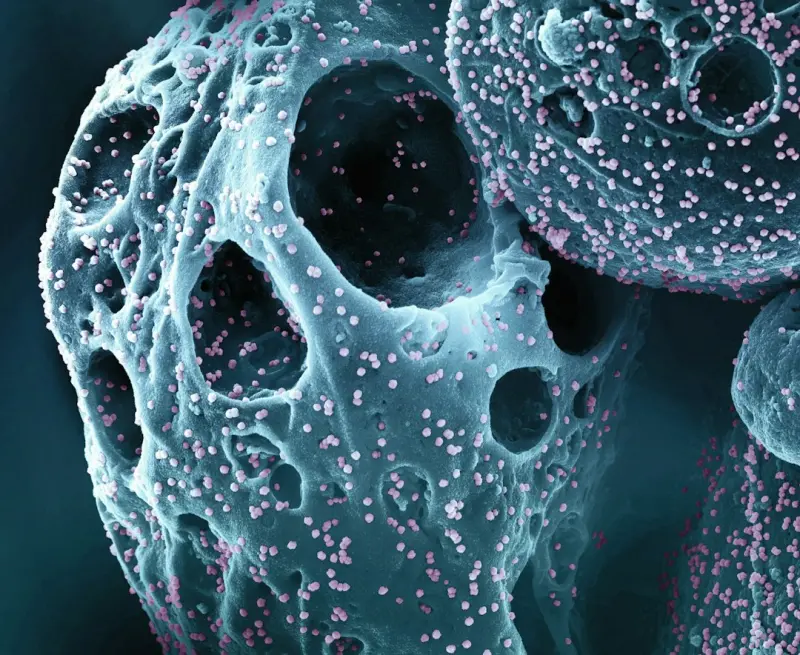
When Cells Talk Back: Redefining Cancer Care Through Real‑Time Feedback
A fresh look at cancer care shows that continuous feedback from patients, wearables, and community d... Read More
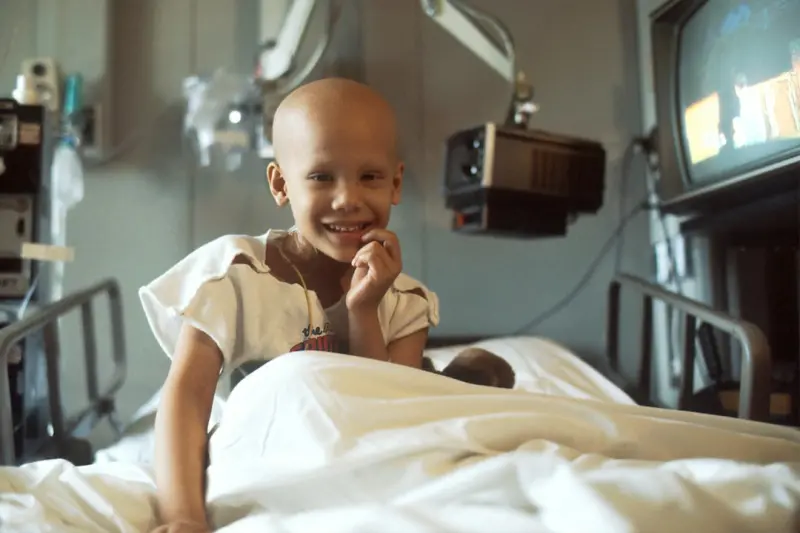
Cancer at Work: Thriving After Diagnosis
A practical guide for professionals diagnosed with cancer, covering workplace accommodations, mental... Read More

Redesigning the Workplace for Cancer Warriors
A practical guide for leaders to build cancer‑friendly offices, from flexible scheduling and quiet... Read More
Top Posts

Why Your Weight Loss Journey Needs a Tribe: The Science of Social Fat‑Loss
A supportive tribe can be the missing piece in any weight‑loss plan. This post explores the science behind social fat‑loss, offers practical steps to create...Read More

Rewiring Movement: How Modern Physiotherapy Empowers Desk‑Bound Professionals
This article explores a fresh physiotherapy framework that blends movement literacy, neuro‑muscular re‑education, and wearable tech to help desk‑bound pro...Read More

The Quiet Revolution: How Mindful Practices Are Shaping Vaping Choices
A deep dive into using mindfulness, data tracking, and intentional community to reframe vaping habits, offering practical tools for a healthier, more purposeful...Read More

The Hidden Path to Mental Wellness: A Holistic Journey
Explore a personal, holistic roadmap to mental wellness, blending mindfulness, sleep strategies, gut health, movement, and community support for lasting calm....Read More
0 Comments
Post Comment
You will need to Login or Register to comment on this post!