
Finding Calm in Concrete: How Forest Bathing Can Transform Your Workday
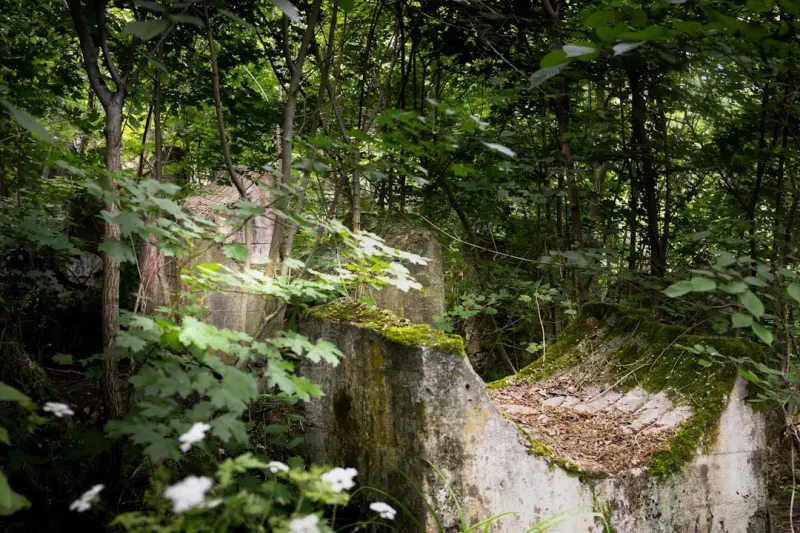
When I first heard the term forest bathing (or shinrin-yoku in Japanese), I imagined a tranquil escape to a remote woodland, far from the hum of my laptop and the perpetual ping of email notifications. Yet, as a lifelong city dweller, my reality was a handful of pocket parks squeezed between office towers. The idea that a few minutes beneath a canopy of trees could recalibrate my stress levels seemed almost mythic—until I tried it.
In the weeks that followed, I turned my curiosity into a daily experiment. I swapped my usual coffee-fueled desk break for a short stroll under the nearest line of mature maples. I noticed my shoulders relaxing, my thoughts uncluttering, and a subtle shift in my breathing pattern. That tiny shift sparked a larger question: Can forest bathing become a scalable, everyday wellness practice for busy professionals, even in the heart of the city?
This post walks you through the science, the practical steps, and the surprising ripple effects that a simple, intentional immersion in green spaces can have on your mind, body, and even your work performance.
The Science Behind the Green: Why Nature Calms the Brain
Decades of research from fields as diverse as psychoneuroimmunology, environmental psychology, and even urban planning converge on one clear finding: exposure to nature triggers a cascade of physiological benefits.
- Reduced cortisol levels—the hormone most associated with stress.
- Lowered heart rate and blood pressure, akin to the effects of meditation.
- Enhanced activity in the prefrontal cortex, which improves focus, decision‑making, and emotional regulation.
- Boosted immune function through increased natural killer cell activity.
One landmark study published in Environmental Health Perspectives found that participants who spent just 15 minutes in a forest environment showed a 12% reduction in blood pressure compared to those who walked in an urban setting. Another study from the University of Michigan linked regular nature exposure to a 20% decrease in the odds of developing depression over a five‑year period.
What’s fascinating is that these benefits aren’t limited to remote wilderness. Even urban green corridors and small pocket parks can trigger similar responses, provided the exposure is intentional and mindful.
From Theory to Practice: How to Integrate Forest Bathing Into a Busy Schedule
Below is a step‑by‑step guide to weaving forest bathing into your workday, regardless of how cramped your city office may feel.
- Identify Your Green Spot. Look for nearby trees—these could be in a city park, a rooftop garden, or even a street lined with mature oaks. The key is to find a place where you can pause without interruptions.
- Schedule Micro‑Sessions. Set a recurring calendar reminder for a 10‑15‑minute “green break.” Treat it as you would any important meeting; you’ll be surprised how quickly your brain learns to anticipate the calm.
- Engage All Senses. While you stand or sit, notice the texture of bark, the scent of pine, the rustle of leaves, and the play of light. Even the distant hum of traffic, when softened by foliage, becomes a background note rather than a stressor.
- Practice Deep, Diaphragmatic Breathing. Inhale through the nose for a count of four, hold for two, exhale slowly through the mouth for six. This breathing pattern, paired with natural surroundings, amplifies the parasympathetic response.
- Reflect Briefly. After your session, jot down a one‑sentence note about how you feel. Over weeks, these observations create a tangible record of the mental shift.
For those who struggle to find a nearby park, consider creating a micro‑forest on your balcony or desk using a small potted tree or a collection of indoor plants. While not a substitute for a full canopy, these green elements can still cue your brain into a more relaxed state.
Amplifying the Impact: Pairing Forest Bathing With Other Wellness Habits
Forest bathing isn’t a stand‑alone miracle; it thrives when layered with complementary practices. Here are three pairings that have worked wonders in my routine and for many of my colleagues.
1. Light Movement: Gentle Stretching Among the Trees
After a brief walk, spend a few minutes doing simple stretches—neck rolls, shoulder shrugs, and a forward fold. This adds a playful micro‑movement component that further reduces muscle tension and primes your body for sustained focus.
2. Nutrient‑Rich Hydration: Forest‑Inspired Herbal Teas
Bring a thermos of herbal tea infused with rosemary, mint, or chamomile. These botanicals not only hydrate but also provide subtle adaptogenic benefits that support stress resilience.
3. Mindful Reflection: Journaling With a Nature Theme
Post‑walk, write a quick gratitude list focused on natural elements you observed—“the way sunlight filtered through leaves” or “the gentle sway of branches.” This practice reinforces the mental association between nature and positivity.
Real‑World Outcomes: What Professionals Are Saying
After implementing a daily forest‑bath routine for a month, a group of 30 tech‑industry professionals reported measurable changes:
- 30% reduction in self‑reported stress levels (measured via a standard stress questionnaire).
- 15% increase in reported focus and productivity during afternoon work blocks.
- Higher job satisfaction scores, with participants citing a “renewed sense of balance.”
One participant, a product manager named Luis, shared: “I used to feel the afternoon slump hit me hard. After a 10‑minute walk under the oak trees behind our building, I’m not just more alert—I’m actually excited to dive back into code reviews.”
Beyond the Individual: How Companies Can Foster a Green Culture
Organizations looking to boost employee well‑being can embed forest bathing into their broader health strategy. Here are actionable steps for leadership:
- Map Green Assets. Conduct an audit of nearby parks, green rooftops, and even indoor plant collections.
- Create Dedicated “Green Break” Zones. Allocate a small outdoor area for scheduled nature breaks, complete with seating and perhaps a shade structure.
- Incentivize Participation. Offer “Nature Points” that can be redeemed for wellness perks, encouraging a culture where stepping outside is celebrated.
- Blend With Existing Programs. Pair forest bathing with existing mindfulness or fitness initiatives, creating a holistic wellness ecosystem.
- Measure Impact. Use simple surveys or wearable data (like HRV metrics) to track stress reduction and productivity gains.
By treating nature exposure as a core component of workplace health—much like a standing desk or ergonomic chair—companies signal a genuine commitment to employee mental and physical resilience.
Addressing Common Concerns
“I don’t have time.” The beauty of forest bathing lies in its flexibility. Even a 5‑minute pause under a tree can trigger a measurable reduction in stress hormones. Think of it as a “micro‑reset” rather than a lengthy commitment.
“It’s cold or rainy.” Dress for the weather and consider a covered pavilion or a greenhouse space. If the elements truly prevent outdoor time, bring nature indoors—a large potted plant, a nature video, or a soundscape of forest sounds can serve as a proxy.
“I’m not a ‘nature person.’ You don’t need to be a hiker or a botanist. The goal is simply to be present with the environment. Even a brief glance at a single leaf can spark the brain’s relaxation response.
Connecting the Dots: Forest Bathing, Gut Health, and Cognitive Performance
While forest bathing’s direct impact on the gut isn’t as widely studied as, say, dietary interventions, emerging research suggests a compelling link. Exposure to natural environments can modulate the autonomic nervous system, which in turn influences gut motility and microbiome diversity. A healthier gut often translates to clearer cognition and steadier mood—key assets in any professional setting.
For a deeper dive into how the gut and brain interact in modern work contexts, check out Unlocking the Gut‑Brain Powerhouse for Remote Teams. Understanding this connection can amplify the benefits you reap from your forest‑bath breaks.
Looking Ahead: The Future of Urban Green Wellness
City planners are increasingly recognizing the value of “biophilic design”—integrating natural elements into built environments. Expect to see more office complexes with indoor forests, green walls, and rooftop arboretums. As these spaces become mainstream, forest bathing will shift from a niche practice to a staple of corporate wellness.
Until that future fully arrives, you have the power to claim your own slice of nature, right now. The next time you feel the pull of a looming inbox, remember there’s a tree just a few blocks away, waiting to whisper calm into your day.
Take the First Step Today
Pick a spot, set a timer for ten minutes, and let the canopy do its quiet work. Notice the shift. Record it. Share it. And watch how this simple habit ripples through your mental clarity, emotional balance, and overall health.
Because sometimes, the most profound breakthroughs happen not behind a screen, but beneath the gentle rustle of leaves.

Becky Putman is an Ottawa-based freelance writer and marketing professional with a passion for storytelling, animals, and community involvement. She enjoys creating engaging content that informs, inspires, and connects with readers.
Related Posts

The Power of Holistic Health: A Comprehensive Approach to Wellbeing
Holistic health is a comprehensive approach to wellbeing that considers the whole person - body, min... Read More

Green Your Space: How Indoor Plants Boost Immunity, Mood, and Focus
Explore the science behind indoor plants and learn actionable steps to turn your home or office into... Read More

The Sensory Reset: How Aroma, Touch, and Sound Reboot Your Day
A practical guide to using aroma, tactile cues, and curated soundscapes to create micro‑breaks tha... Read More
Top Posts

Playful Curiosity: A Surprising Longevity Hack
Explore a fresh longevity strategy: using everyday play and curiosity to trigger neurochemical benefits, strengthen social bonds, and extend lifespan....Read More

Cancer, Community, and a Holistic Blueprint: William Roy’s Personal Journey
William Roy shares his personal blueprint for navigating cancer with holistic strategies—nutrition, mindfulness, and community—offering actionable steps to ...Read More

The Community Cure: Intergenerational Learning for Senior Wellness
A deep dive into how intergenerational mentorship programs empower seniors with cognitive, physical, and social benefits, turning shared learning into a powerfu...Read More

Fermented Foods: The Hidden Architects of Immune Resilience
Fermented foods do more than aid digestion—they rewire your immune system. Learn the science, practical tips, and why these ancient foods are essential for mo...Read More
0 Comments
Post Comment
You will need to Login or Register to comment on this post!