
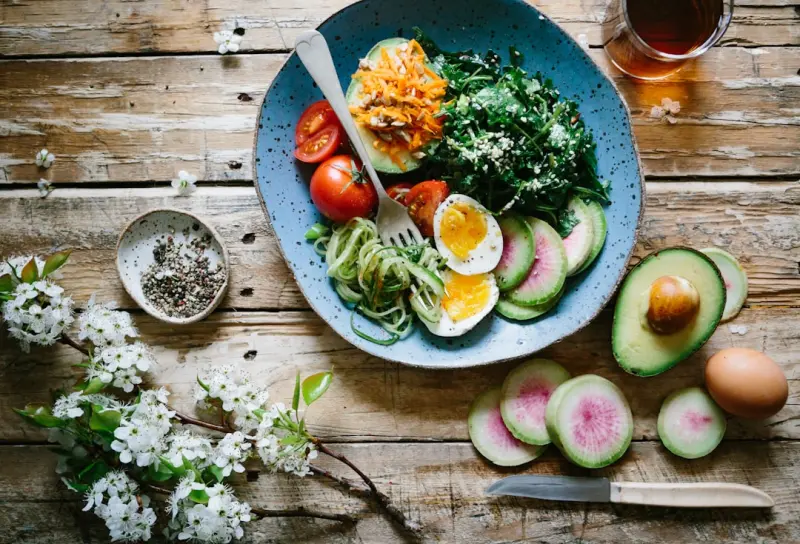
Why Your Gut Is the Unsung MVP of Remote Work Success
When I first transitioned to a fully remote role, the biggest challenge I expected was juggling meetings across time zones. What I didn’t anticipate was the subtle, yet powerful, impact my gut microbiome would have on my productivity, creativity, and even my ability to stay calm during back‑to‑back video calls. It turns out that the trillions of microbes living in our intestines are not just passive passengers; they’re active participants in the brain‑gut axis, influencing mood, focus, and resilience. In this post, I’ll walk you through the science, share practical strategies for cultivating a gut‑friendly environment at home, and show how you can leverage emerging tech to turn your digestive system into a competitive advantage.
The Brain‑Gut Axis: More Than a Buzzword
The term “brain‑gut axis” has been tossed around in wellness circles for years, but recent research is finally catching up to the idea that this bidirectional communication channel is a cornerstone of mental performance. Here’s a quick rundown of the key players:
- Vagus nerve – the superhighway that transmits signals from the gut to the brain in milliseconds.
- Short‑chain fatty acids (SCFAs) – metabolites produced by beneficial bacteria that cross the blood‑brain barrier and modulate neurotransmitter synthesis.
- Microbial‑derived neurotransmitters – up to 90% of the body’s serotonin is made in the gut, influencing mood and social behavior.
- Immune signaling – gut microbes train the immune system, and chronic low‑grade inflammation has been linked to “brain fog.”
When any of these components are out of balance, you may notice yourself feeling irritable, unfocused, or unusually fatigued—symptoms that can masquerade as typical remote‑work fatigue.
Remote Work, Gut Stress, and the Hidden Cost of “Zoom‑Binge”
Remote work culture often rewards constant availability. The convenience of a kitchen just steps away can lead to mindless snacking, irregular meal times, and a diet high in processed carbs. Those habits feed opportunistic bacteria, eroding microbial diversity and setting off a cascade of inflammation. Over time, this “Zoom‑binge” cycle can impair the brain‑gut axis and diminish cognitive sharpness.
But there’s a silver lining: the same flexibility that fuels unhealthy patterns also gives you the power to reset. By intentionally designing your environment and habits, you can steer your microbiome toward a state that supports sustained focus and emotional stability.
Three Pillars to Optimize Your Gut for Remote Success
1. Nutrition That Talks to Your Microbiome
Instead of treating food as a background noise, think of each meal as a strategic briefing for your gut. Here are the core principles:
- Fiber diversity – Aim for at least five different sources of soluble and insoluble fiber each day (e.g., lentils, oats, berries, artichokes, and chicory root). Diversity feeds a wider range of bacterial species, which translates to a more resilient microbiome.
- Polyphenol power – Foods like dark chocolate, green tea, and berries contain polyphenols that act as prebiotics for beneficial bacteria.
- Timing matters – Align meals with your circadian rhythm. A consistent breakfast within two hours of waking helps synchronize gut clock genes, which in turn supports hormone regulation and sleep quality.
For those who need concrete ideas, the community cooking movement offers a treasure trove of recipes that marry flavor with microbiome‑friendly ingredients.
2. Movement & Breath: Mechanical Signals for Microbial Harmony
Physical activity isn’t just about burning calories; it also stimulates peristalsis and increases blood flow to the gut, creating a healthier habitat for microbes. However, in a remote setting, the temptation to stay glued to the chair is real. Here’s a micro‑movement plan that fits into any workday:
- The 5‑Minute Mid‑Morning Stretch – Stand, reach overhead, and perform gentle torso twists. This activates the parasympathetic nervous system, which encourages digestive processes.
- Box‑Breathing Sessions – Four breaths in, four holds, four exhalations. Practicing this twice a day reduces stress hormones like cortisol, which otherwise disrupt gut barrier integrity.
- Walking Power‑Breaks – A 10‑minute walk every 90 minutes not only clears mental fog but also promotes the growth of short‑chain fatty‑producing bacteria.
These micro‑habits are especially potent because they can be done without leaving your home office, yet they send strong signals to the gut‑brain axis that you’re in a low‑stress, high‑performance state.
3. Technology‑Enabled Personalization
We’ve entered an era where AI, wearables, and microbiome sequencing converge to give us actionable insights. Imagine a dashboard that correlates your sleep patterns, stress scores, and dietary logs with real‑time microbiome analytics. While the technology is still evolving, early adopters are already seeing measurable benefits.
One platform integrates stool‑sample sequencing with a wearable’s heart‑rate variability (HRV) data, flagging moments when low HRV aligns with a dip in beneficial SCFAs. The system then suggests a targeted prebiotic snack or a brief mindfulness exercise to restore balance.
Even if you’re not ready for full‑scale sequencing, simple tools—like a gut‑symptom tracker paired with a smart scale and a food‑logging app—can reveal patterns you might otherwise miss. The key is to treat data as a conversation with your gut rather than a punitive scoreboard.
Practical Steps to Implement a Gut‑First Remote Routine
Below is a 7‑day starter plan designed to embed gut‑supportive habits into your remote workflow. Feel free to tweak it based on your schedule and preferences.
- Morning Reset (7:00 AM) – Hydrate with a glass of warm water + lemon, then log your sleep quality and HRV in your chosen app.
- Fiber‑Rich Breakfast (7:30 AM) – Overnight oats with chia seeds, blueberries, and a sprinkle of cinnamon.
- Mid‑Morning Stretch & Breath (10:00 AM) – 5 minutes of gentle yoga followed by box‑breathing.
- Lunch Power‑Plate (12:30 PM) – A mixed bean salad with kale, roasted carrots, pumpkin seeds, and a drizzle of olive‑oil vinaigrette.
- Walking Power‑Break (3:00 PM) – 10‑minute walk outside or on a treadmill, focusing on deep diaphragmatic breathing.
- Evening Gut‑Support (6:30 PM) – Lightly sautéed tempeh with broccoli and a side of quinoa; finish with a cup of green tea.
- Nighttime Wind‑Down (9:00 PM) – Record any gut symptoms (bloating, discomfort) and practice a 5‑minute gratitude meditation before bed.
Track your energy, mood, and focus throughout the week. Most people notice a subtle lift in mental clarity within three to five days, followed by a steadier baseline after two weeks.
From Gut Health to Organizational Resilience
While we often talk about individual performance, the health of a team’s gut ecosystems can ripple through the entire organization. Here’s how you can scale the gut‑first mindset:
- Virtual Gut Workshops – Host a quarterly session where nutritionists walk employees through micro‑habit creation and answer gut‑related questions.
- Company‑Wide Meal Challenges – Encourage teams to share photos of their fiber‑rich lunches, fostering a sense of community while boosting diversity in diets.
- Data‑Driven Wellness Dashboards – Aggregate anonymized HRV and sleep data (with consent) to spot trends that may signal widespread gut stress, then intervene with targeted resources.
Investing in gut health isn’t just a perk; it’s a strategic lever that can reduce burnout, improve decision‑making speed, and enhance overall employee satisfaction.
Addressing Common Myths
Myth 1: Probiotics are a magic bullet. While probiotic supplements can help, they’re most effective when paired with prebiotic foods that feed the microbes.
Myth 2: Gluten‑free equals gut‑healthy. Unless you have celiac disease or a confirmed sensitivity, cutting gluten can unnecessarily reduce fiber intake.
Myth 3: A “clean” diet means no indulgence. Moderate enjoyment of fermented foods, dark chocolate, or a glass of red wine can actually support microbial diversity—just keep portions reasonable.
Looking Ahead: The Future of Gut‑Centric Remote Work
The next wave of workplace innovation will likely include:
- AI‑Curated Meal Plans that adapt in real time based on gut‑symptom feedback.
- Smart Kitchen Appliances that track fermentation cycles and suggest probiotic‑boosting tweaks.
- Integrated Health Platforms that combine microbiome data with project management tools, alerting you when a high‑stress deadline might coincide with gut imbalance.
By staying ahead of these trends, you can position yourself—and your team—as pioneers of a healthier, more resilient remote work culture.
Take the First Step Today
Start by assessing your current gut habits. Grab a notebook or open a digital journal, and answer these three quick questions:
- When was the last time you ate a truly diverse, fiber‑rich meal?
- How often do you incorporate movement or breathwork into your workday?
- Do you track any physiological data (sleep, HRV, mood) that could hint at gut‑brain misalignment?
From there, pick one micro‑habit from the list above and commit to it for the next 21 days. Your gut—and your remote performance—will thank you.
For deeper inspiration, explore the Fermented Food Frontier article, which delves into how ancient preservation techniques can be repurposed for modern gut health, and consider joining a community cooking group to share recipes and experiences.
Remember, a thriving gut isn’t just a health goal; it’s a productivity catalyst. When you give your microbiome the attention it deserves, you unlock a hidden reserve of focus, creativity, and emotional balance—exactly the kind of edge every remote professional needs.

Related Posts
Gut Health as a Strategic Edge for Leaders
Executive Paul Gray explains why gut health matters for leadership, offering science‑backed strate... Read More
Reimagining Your Gut as a Creative Playground
Discover how treating your gut as a creative playground—through novel foods, mindful habits, and p... Read More
Rewilding Your Gut: How Wild Microbes Can Boost Modern Health
Explore actionable strategies to rewild your gut—using fermented foods, foraged greens, and kitche... Read More
Top Posts

Tailoring Health Coverage for the Modern Freelancer
Freelancers face unique health insurance challenges. This guide breaks down jargon, highlights flexible plan options, and offers a step‑by‑step roadmap to s...Read More

From Potluck to Powerhouse: How Shared Meals Transform Workplace Culture
Shared meals do more than satisfy hunger—they build trust, spark creativity, and boost productivity. Learn practical strategies to turn everyday lunches into ...Read More
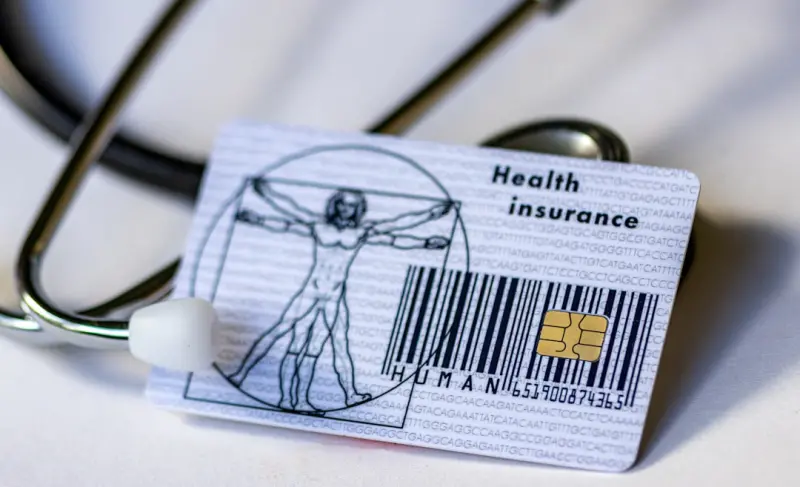
Reimagining Health Insurance: From Safety Net to Preventive Wellness Engine
Health insurance is evolving into a preventive health platform that integrates data, personalized incentives, and seamless care navigation, offering measurable ...Read More

Insomnia Unplugged: My Holistic Blueprint for Restful Nights
David MacKinnon shares his personal, holistic blueprint for beating insomnia, blending nutrition, mindful routines, and gentle movement to restore peaceful nigh...Read More
0 Comments
Post Comment
You will need to Login or Register to comment on this post!