
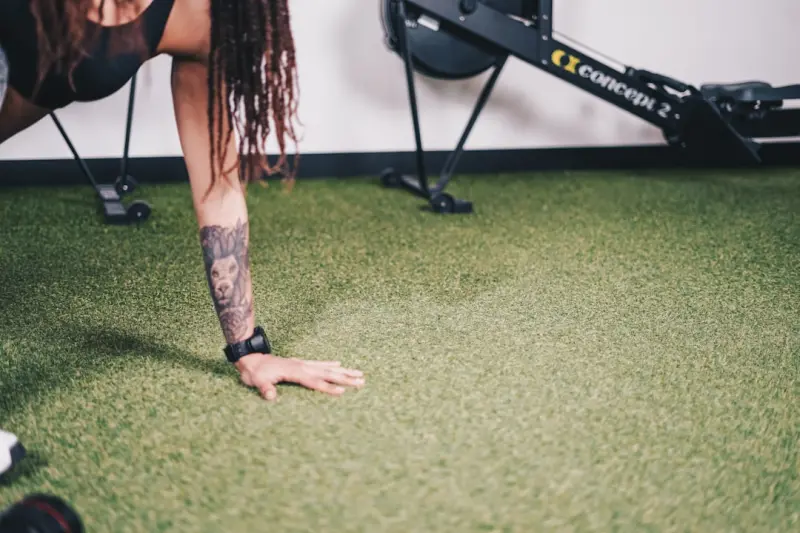
From Boredom to Bliss: The Rise of Playful Micro‑Movements
When I first tried to squeeze a traditional cardio session into a jam‑packed inbox, I felt like I was forcing a square peg into a round hole. The treadmill’s monotony clashed with my brain’s love for curiosity, and the result was a half‑finished workout and a full‑blown sense of defeat. I’ve since discovered that the antidote isn’t a longer, more intense routine—it’s a series of tiny, delight‑filled movement bursts that feel more like play than work. In this post, I’m sharing why these micro‑movements are reshaping the way busy professionals stay fit, how they tap into our innate desire for novelty, and practical ways to weave them into any day.
The Traditional Routine Trap
For decades, the fitness industry has sold the idea that a good workout must be a solid block of time—30 minutes of steady‑state jogging, a 45‑minute spin class, or a full‑body circuit that leaves you drenched in sweat. While that model works for many, it also creates a hidden barrier for people whose schedules are riddled with meetings, deadlines, and unexpected Zoom calls. The “all‑or‑nothing” mindset fuels guilt when we can’t meet the prescribed duration, and that guilt quickly turns into avoidance.
Recent research shows that the average office worker sits for more than eight hours a day. Prolonged sitting isn’t just a comfort issue; it’s a metabolic hazard that can accelerate insulin resistance, weaken core stability, and even impair mood. The challenge, then, is not just finding time for a workout but breaking the sedentary spell that dominates most modern workdays.
Micro‑Movement: A New Definition of “Exercise”
Micro‑movement reframes exercise as a collection of brief, intentional actions that add up to meaningful physiological benefits. Think of it as the difference between sipping a coffee and taking a short, mindful pause to stretch your neck, roll your shoulders, or do a quick set of body‑weight squats. Each burst lasts anywhere from 30 seconds to three minutes, and the key is that they feel deliberately enjoyable rather than a chore.
- Frequency over duration: Performing ten 60‑second bouts throughout the day can equal the calorie burn of a traditional 30‑minute jog.
- Variety fuels adherence: Switching between standing desk squats, desk‑friendly calf raises, and hallway lunges keeps the brain engaged.
- Neuromuscular benefits: Frequent movement spikes improve proprioception and reduce the risk of musculoskeletal strain.
When you look at the big picture, micro‑movement is less about ticking a box and more about creating a dynamic rhythm in your day.
Playful Exploration: Borrowing From Outdoor Play
One of the most surprising sources of inspiration for this approach comes from the world of outdoor play principles. Children learn to move through spontaneous, imaginative play—climbing a tree, racing a friend, or inventing a new game on the spot. Those same principles can be transplanted into an office environment. The secret isn’t to replicate a jungle gym; it’s to re‑infuse your workday with the spirit of curiosity and improvisation.
Try turning a hallway into a “speed‑walk sprint zone” where you challenge a coworker to a 20‑second dash, or set a timer for a “dance‑break” that lasts exactly 45 seconds. The goal is to make the movement feel optional, surprising, and, most importantly, fun. When the brain registers joy, the body follows suit, releasing endorphins and dopamine that improve focus and mood for the tasks that follow.
Syncing Sound and Motion
Music isn’t just background noise; it can be a powerful catalyst for movement. In a study highlighted in sound‑driven workouts, rhythmic beats were shown to naturally increase heart‑rate variability, a marker of cardiovascular health and stress resilience. The trick is to choose tracks that align with the intensity of the micro‑movement you’re about to perform.
- Low‑intensity stretches: Ambient or acoustic tunes that encourage slower, mindful breathing.
- High‑energy bursts: Upbeat pop or electronic tracks with a BPM (beats per minute) that matches your desired cadence.
Even a simple clap‑to‑the‑beat exercise can transform a dull desk routine into an engaging rhythm session. I keep a short playlist on my phone labeled “Micro‑Jam” that I pull up whenever a meeting ends early—just five minutes of groove, and I’m back in the zone.
Creating a Virtual Community for Micro‑Movement
One of the biggest hurdles to staying active when you’re remote is the feeling of isolation. While traditional group fitness classes thrive on in‑person energy, technology offers a new way to build community around micro‑movement. Think of a “movement Slack channel” where colleagues post short video clips of their favorite 30‑second stretches, or a weekly “move‑together” calendar invite that pops up at 10 am for a quick collective stretch.
Gamification can also raise the stakes. Set up a friendly leaderboard where each completed micro‑movement earns points. Offer small rewards—like a virtual coffee voucher or a custom background for video calls—to keep the momentum going. The social component transforms a solitary habit into a shared experience, reinforcing accountability and making the activity feel less like work.
The Science Behind Frequent, Brief Activity
Research from exercise physiology suggests that breaking up sedentary time with brief bouts of activity can improve glucose regulation, lower blood pressure, and enhance endothelial function—the lining of blood vessels that plays a critical role in cardiovascular health. The underlying mechanism is simple: each time you move, muscles contract, prompting a surge of blood flow that helps flush out metabolites and deliver fresh oxygen.
Even a set of 10‑second calf raises performed every hour can activate the muscle pump in the lower leg, counteracting the fluid pooling that leads to swelling and discomfort. Over a standard 8‑hour workday, those micro‑bursts accumulate into a significant stimulus for metabolic health.
Practical Toolkit: 12 Micro‑Movement Ideas to Try Today
- Desk‑Top Squats: Stand, lower into a squat, and rise—repeat for 45 seconds.
- Chair‑Supported Leg Extensions: Extend one leg straight, hold for two seconds, switch sides.
- Wall‑Slide Shoulder Warm‑Up: Press arms against a wall and slide up and down.
- Standing Calf Raises: Rise onto tiptoes, lower slowly; perfect for quick circulation.
- Desk Push‑Ups: Use the edge of your desk for a modified push‑up.
- Hip Opener Stretches: While seated, cross one ankle over the opposite knee and gently press down.
- Neck Mobility Rolls: Slow circular motions to release tension.
- “Air” Jump Rope: Mimic rope‑skipping motions—great cardio in a confined space.
- Micro‑Dance Break: Play a 30‑second favorite song and move freely.
- Desk‑Bound Marching: Lift knees high while staying seated; engage core.
- Standing Side‑Bends: Reach opposite hand toward the floor, alternating sides.
- Eye‑Relaxation Blinks: Not a movement per se, but a quick visual reset that reduces strain.
Pair each of these with a beat from your “Micro‑Jam” playlist, and you’ve got a seamless, energizing routine that never feels like a “workout”.
Real‑World Stories: When Micro‑Movement Saves the Day
Case Study 1 – The Remote Designer: Maya, a graphic designer, reported chronic lower‑back pain after months of uninterrupted screen time. By integrating a 60‑second “desk‑top squat” every hour, her pain levels dropped dramatically, and she noticed a boost in creative output due to the mental reset each movement provided.
Case Study 2 – The Startup Founder: Alex runs a fast‑growing tech startup and often skips lunch to meet investors. He started a “micro‑dance break” before every investor call, using a 30‑second upbeat track. Not only did his heart rate increase, but his pitch confidence improved—he credits the brief burst of endorphins for sharper presentation skills.
Both stories illustrate the principle that tiny, enjoyable actions can have outsized effects on health, mood, and performance. The secret isn’t in the duration; it’s in the intentional, playful quality of the movement.
Overcoming Common Objections
“I don’t have time.” Micro‑movements are designed to fit into the tiniest gaps—right after a meeting, while waiting for a file to download, or during a coffee brew.
“It won’t be enough to get fit.” While micro‑movements alone aren’t a substitute for a structured training program for elite athletes, they are a powerful foundation for maintaining baseline fitness, especially for desk‑bound professionals.
“I need equipment.” Most micro‑movements require only body weight and a chair or wall for support. The only “gear” you might need is a timer (your phone works fine) and a playlist that gets you moving.
Bringing It All Together
Exercise doesn’t have to be a monolithic block that clashes with a busy schedule. By embracing the playful micro‑movement mindset, you transform idle minutes into moments of vitality, inject joy into the workday, and build a culture of movement that spreads through teams and virtual communities. The next time you find yourself reaching for another cup of coffee, consider swapping it for a 45‑second stretch, a quick dance, or a set of calf raises. Your body, brain, and bottom line will thank you.

Becky Putman is an Ottawa-based freelance writer and marketing professional with a passion for storytelling, animals, and community involvement. She enjoys creating engaging content that informs, inspires, and connects with readers.
Related Posts

Playful Movement: Turning Everyday Activities into Joyful Workouts
Learn to fuse fun, community, and functional moves into daily life, making exercise feel less like a... Read More

Move to Create: Harnessing Everyday Rhythm for Unstoppable Creativity
Integrating playful motion into everyday routines awakens the brain’s creative circuits, turning c... Read More
How Movement Supercharges Creative Thinking at Work
Explore the science behind motion‑driven brainstorming, learn practical movement routines for indi... Read More
Top Posts

Unlocking Everyday Energy: A Holistic Self‑Care Guide
Explore a comprehensive holistic self‑care routine that balances nutrition, movement, sleep, and mental wellness to unlock lasting daily energy....Read More
When the Remote Desk Meets the Plate: Navigating Eating Disorders in a Digital Work World
Remote work blurs the line between meals and meetings, often intensifying disordered eating patterns. This article reveals why digital workspaces trigger unheal...Read More

The Healing Power of Shared Music for Senior Wellness
Music isn’t just background noise—it’s a potent health tool for seniors. In this post, Becky Putman explains how singing, rhythmic movement, and shared pl...Read More
Designing an Evening Blueprint: Turning Sleepless Hours into Strategic Edge
Discover a practical Evening Blueprint that uses low‑light zones, strategic journaling, gentle movement, grounding, and digital minimalism to turn insomnia in...Read More
0 Comments
Post Comment
You will need to Login or Register to comment on this post!