
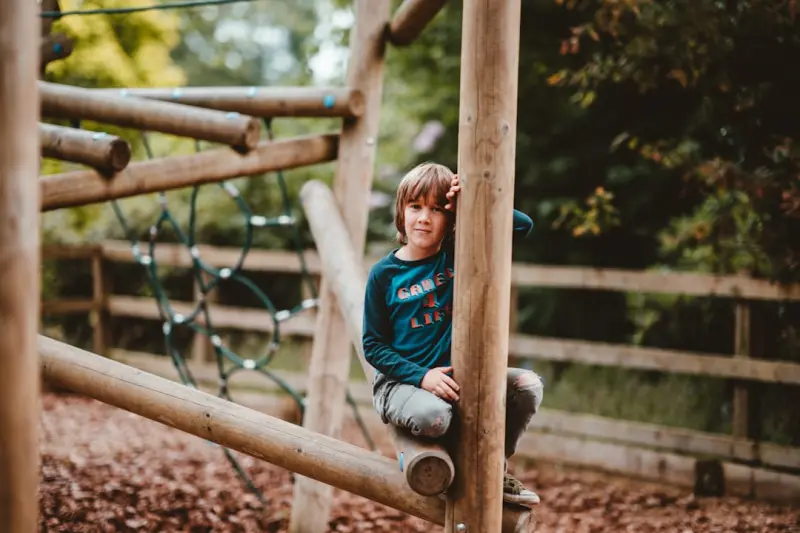
Why the Great Outdoors Is the Missing Piece in Modern Physiotherapy
When I first walked into a bustling clinic, the hum of treadmills, the clatter of resistance bands, and the steady cadence of patients’ breathing filled the air. It was efficient, clinical, and undeniably effective—yet something felt incomplete. Over the years, I’ve watched technology reshape our field, from AI‑driven assessments to sophisticated wearable feedback loops. While these advances are game‑changing, they can’t replace the subtle, restorative power of stepping outside.
Rewilding Rehabilitation: The Science Behind Nature‑Based Movement
Nature isn’t just a backdrop; it’s a dynamic, multisensory environment that challenges the body in ways a sterile gym floor never can. Trees, uneven terrain, wind, and natural light each engage proprioceptive pathways, vestibular systems, and even the autonomic nervous system. Research in environmental psychology shows that exposure to green spaces reduces cortisol, lowers heart rate, and improves pain thresholds. For physiotherapists, this translates into faster muscle activation, better joint alignment, and a heightened sense of well‑being.
From Concrete to Canopy: Designing Outdoor Sessions
Transitioning from a conventional clinic to an outdoor setting doesn’t require a massive overhaul. Start small:
- Choose a Safe, Accessible Space. Local parks, community gardens, or even a schoolyard can serve as a therapeutic arena. Look for flat areas for balance work and gentle slopes for progressive loading.
- Map Out Zones. Designate a warm‑up corner (soft grass), a strength station (tree trunks for grip work), a mobility path (rocky trails), and a cool‑down nook (shaded bench).
- Bring Portable Tools. Resistance bands, medicine balls, and lightweight kettlebells travel well. Use natural features—like a low branch—as a substitute for parallel bars.
- Integrate Play. Incorporate games like “tag” for cardio, “obstacle course” for agility, or “nature scavenger hunts” to keep patients mentally engaged.
Case Study: Emma’s Journey From Post‑Surgical Stiffness to Trail‑Ready Confidence
Emma, a 42‑year‑old graphic designer, arrived in my clinic after a total knee replacement. Traditional rehab got her moving, but she hit a plateau at week six, describing the exercises as “boring” and “repetitive.” We shifted one session per week to a nearby park. Using a low‑lying log for step‑ups, a set of cones for lateral shuffles, and a gentle hill for controlled descents, Emma reported an immediate sense of freedom. Within three weeks, her pain scores dropped from a 5/10 to a 2/10, and her confidence surged enough that she volunteered to lead a community “walk‑and‑talk” group for other post‑op patients.
Why Play Matters: The Psychological Edge
Play activates dopamine pathways, which are essential for motor learning and neuroplasticity. When patients engage in enjoyable activities, their brains form stronger motor memories, making it easier to translate clinic gains into daily life. The Sound of Calm article highlighted how rhythm can lower blood pressure; similarly, natural rhythms—birdsong, rustling leaves, a flowing creek—provide a subtle metronome that encourages smooth, coordinated movement without the mental fatigue of counting reps.
Addressing Common Concerns
Safety. Critics worry about uneven terrain causing falls. The key is progressive exposure: start on flat grass, then introduce small obstacles. Use the “buddy system” where a therapist or a trained volunteer assists.
Weather. Rain or extreme heat can be mitigated with portable canopies, layered clothing, and flexible scheduling. Remember, a light drizzle can enhance proprioception by altering surface friction.
Equipment. While clinics have a plethora of machines, outdoor therapy relies on creativity. A sturdy branch can replace a pull‑up bar; a sandbag can serve as a weight for squats. Embrace the resourcefulness of nature.
Integrating Technology Without Losing the Soul of Nature
We don’t have to discard our tech investments. Wearable sensors can still monitor heart rate, joint angles, and muscle activation during outdoor sessions. Real‑time data streamed to a tablet lets us adjust intensity on the fly. However, the focus shifts from “numbers” to “experience.” The technology becomes a safety net rather than the centerpiece.
Building Community Through Outdoor Rehab
One of the most rewarding aspects of rewilding rehabilitation is the sense of community it fosters. Group sessions in a park naturally encourage social interaction, peer support, and shared accountability. When patients see a neighbor mastering a balance beam made of a fallen tree, they’re more likely to attempt it themselves. This communal energy can be a potent motivator, especially for those who feel isolated in a traditional clinic setting.
Practical Tips for Therapists Ready to Go Outside
- Get Permission. Secure any necessary permits from local authorities or park services.
- Scout the Site. Visit at different times of day to assess lighting, foot traffic, and surface conditions.
- Create a Checklist. Include items like first‑aid kit, hydration, sunscreen, and a portable sound system for guided sessions.
- Document Progress. Use photos, video clips, or sensor data to track improvements and celebrate milestones.
- Gather Feedback. After each session, ask patients what they loved, what felt challenging, and how the outdoor setting impacted their mood and pain levels.
The Future: Hybrid Models That Blend Clinic Precision with Outdoor Freedom
Imagine a model where the first three weeks of rehab happen in the clinic for precise diagnostics, followed by a transition phase where patients alternate between indoor and outdoor sessions. This hybrid approach maximizes the strengths of both environments: the controlled, equipment‑rich setting of the clinic and the dynamic, sensory‑rich realm of nature. Over time, we may see “physio trails” in urban parks—marked paths with stations for specific exercises, each equipped with QR codes linking to instructional videos and progress trackers.
Conclusion: Embracing the Wild Within Our Practice
Physiotherapy has always been about movement, restoration, and empowering individuals to reclaim their bodies. By inviting the outdoors into our therapeutic toolbox, we honor the primal connection humans have with the natural world. The wind on your skin, the uneven ground under your feet, and the chorus of birdsong aren’t just pleasant extras—they’re active participants in healing. As we rewild our practice, we open doors to deeper engagement, faster recovery, and a renewed sense of joy for both patients and clinicians alike.

Jessica Hall is a dynamic freelance writer based in the vibrant city of London, Ontario. As a dedicated single mom, she expertly juggles the demands of parenthood with her passion for storytelling, crafting compelling narratives that resonate with readers. With a background in retail, Jessica brings a unique perspective to her writing, infusing her work with insights drawn from her experiences
Related Posts
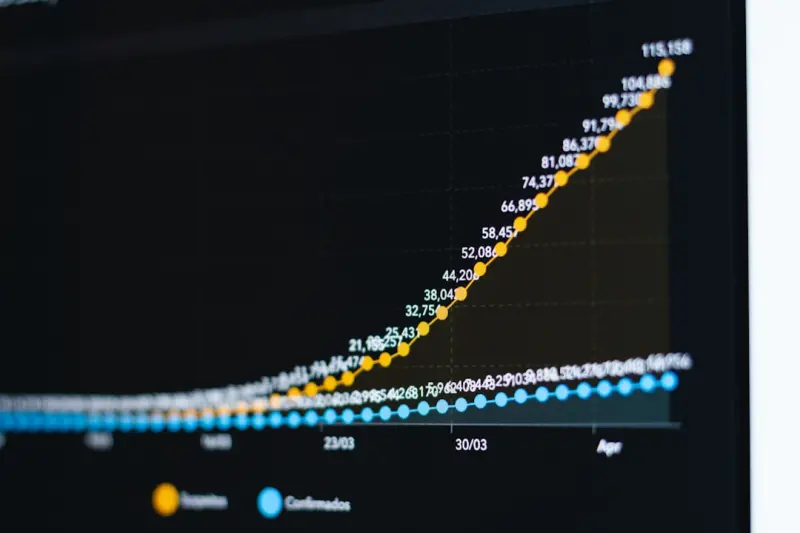
Anticipatory Rehabilitation: Turning Data into Movement Freedom
Physiotherapy is evolving into anticipatory rehabilitation, using wearables and data analytics to pr... Read More

Functional Strength Unleashed: Physiotherapy Strategies for Real‑World Performance
A fresh, evidence‑based guide shows how to turn everyday activities into functional strength train... Read More

Micro‑Movements at the Desk: A Physiotherapist’s Guide
Kelly Reynolds shares a practical, evidence‑based approach to integrating micro‑movements into d... Read More
Top Posts

Gentle Strategies for Protecting Your Infant’s Sensitive Skin
Learn essential, gentle skin‑care practices for newborns, including bathing, moisturising, diaper rash prevention, and environmental tips to keep your infantâ...Read More

Storytelling as a Mental Health Superpower
Learn how the simple act of reshaping personal narratives can rewire the brain, lower stress, and improve team dynamics, offering a practical mental‑health bo...Read More

Turning Autoimmune Chaos into a Personal Storybook
Learn to translate autoimmune signals into a personal narrative, using journals, creative expression, and supportive groups to navigate daily challenges and fin...Read More

When Autoimmune Responses Meet High‑Performance Careers: A Playbook for Sustainable Success
Learn how to turn autoimmune challenges into a strategic advantage with data‑driven health tracking, targeted movement, gut‑brain optimization, and smart wo...Read More
0 Comments
Post Comment
You will need to Login or Register to comment on this post!