

Why Fermented Foods Matter More Than You Think
When I first encountered a jar of kimchi on a market stall, I was drawn in by its bold aroma and bright color, not by any scientific promise. Over the past few years, my kitchen has become a modest laboratory, where I experiment with sauerkraut, kombucha, and miso to see how these living foods influence my day‑to‑day vitality. What started as a curiosity has evolved into a conviction: the microbes we invite onto our plates are powerful allies that can recalibrate the entire immune orchestra, reducing inflammation, sharpening defenses, and even modulating mood. In this article I’ll peel back the layers of fermentation, share the latest research, and offer a practical roadmap for anyone ready to turn their pantry into a frontline of health.
The Gut Microbiome: The Body’s Hidden Command Center
The term “gut microbiome” has migrated from academic journals into everyday conversation, but its true significance is often oversimplified. Inside our digestive tract lives a bustling metropolis of bacteria, fungi, and archaea—collectively weighing up to two kilograms and outnumbering our human cells ten to one. These microorganisms engage in a constant dialogue with the immune system, training it to recognize friend from foe and producing metabolites that travel through the bloodstream to influence distant organs. When the microbial balance tilts toward diversity and stability, the immune response becomes measured rather than chaotic, which translates to fewer allergic flare‑ups, lower chronic inflammation, and a more resilient response to pathogens. Conversely, a depleted or imbalanced microbiome is linked to conditions ranging from autoimmune disease to mental health disorders, underscoring why nurturing this internal ecosystem is non‑negotiable for lasting health.
Fermentation: Nature’s Way of Creating Probiotic Powerhouses
Fermentation is essentially a controlled microbial party, where beneficial bacteria and yeasts feast on sugars and transform them into acids, gases, and flavor compounds. This metabolic alchemy not only preserves food but also infuses it with live cultures that can survive the journey through the stomach to colonize the colon. Sauerkraut, for example, is dominated by Lactobacillus plantarum, a strain known for producing short‑chain fatty acids that feed colon cells and reinforce the gut barrier. Kombucha offers a symbiotic culture of bacteria and yeast (SCOBY) that generates organic acids and polyphenols with antioxidant properties. The magic lies in the diversity of strains; each fermented food introduces a unique microbial fingerprint, broadening the gut’s repertoire and enhancing its capacity to outcompete harmful invaders. By regularly consuming a variety of these foods, you essentially inoculate your gut with a rich, ever‑evolving probiotic arsenal.
Tracking Your Progress with Digital Health Tools
In today’s data‑driven world, we can pair the ancient practice of fermentation with cutting‑edge digital health tools to monitor how our bodies respond. Apps that log gut symptoms, stool consistency, and energy levels allow you to spot trends that correlate with specific fermented foods. Some platforms even integrate microbiome testing, delivering personalized recommendations based on the relative abundance of key bacterial families. By quantifying the impact, you can fine‑tune your intake, focusing on the foods that deliver the most pronounced improvements in digestion, mood, or immune markers. This feedback loop turns intuition into evidence, empowering you to make informed choices rather than relying on guesswork.
Key Benefits of Regular Fermented Food Consumption
- Enhanced immune modulation: Live cultures stimulate regulatory T‑cells, reducing overactive inflammatory responses.
- Improved gut barrier integrity: Short‑chain fatty acids fortify tight junctions, preventing leaky gut.
- Increased nutrient bioavailability: Fermentation breaks down anti‑nutrients, unlocking minerals like calcium and magnesium.
- Balanced mental health: Gut‑brain signaling via serotonin precursors can lift mood and reduce anxiety.
- Natural detoxification: Certain strains produce enzymes that help neutralize environmental toxins.
Selecting Safe and Potent Fermented Foods
Not all fermented products are created equal, and safety should be a priority, especially for newcomers. Look for items that are unpasteurized, as pasteurization kills the beneficial microbes along with any potential pathogens. The label should list live cultures or “raw” in the description; otherwise, you may be getting a vinegar‑based flavoring rather than a true probiotic. Homemade ferments give you complete control over the process—use filtered water, non‑iodized salt, and clean equipment to avoid unwanted bacterial contamination. When trying new products, start with small portions to gauge tolerance, especially if you have a history of histamine sensitivity. Over time, your gut will adapt, allowing you to increase servings without discomfort.
Integrating Fermented Foods Into Everyday Meals
Incorporating fermented foods doesn’t require a culinary overhaul; it’s about strategic placement. Add a spoonful of kimchi to your scrambled eggs for a spicy kick, or swirl miso into a warm broth for a comforting soup. Use sauerkraut as a crunchy topping on tacos, replacing traditional cheese for a probiotic boost. For a midday pick‑me‑up, sip a glass of kombucha instead of sugary soda, and you’ll reap the benefits of organic acids and B‑vitamins. Planning ahead—like preparing a batch of kefir on the weekend—ensures you always have a ready‑to‑use source of live cultures. Consistency matters more than quantity; a daily serving of 2‑4 ounces is sufficient to maintain microbial diversity without overwhelming the digestive system.
Synergy Between Fermented Foods and Nature Immersion
While fermented foods nurture the internal ecosystem, spending time outdoors enriches the external one. Fresh air, diverse plant life, and natural sunlight each contribute to a healthier microbiome by exposing us to beneficial environmental microbes and supporting vitamin D synthesis. Pairing a walk in the park with a portable jar of pickled vegetables creates a double‑dose of microbial support—one from the soil and another from the gut. Research shows that nature immersion can lower stress hormones, which in turn reduces gut inflammation, creating a virtuous cycle of health. By aligning your diet with the rhythms of the natural world, you amplify the protective effects of both internal and external ecosystems.
Putting It All Together: A Sustainable Fermentation Routine
The journey toward immune resilience through fermented foods is both simple and profound. Start by selecting three foods you enjoy—perhaps sauerkraut, kefir, and miso—and incorporate them into your meals three times a week. Track your experiences using a health app, noting any changes in digestion, energy, or skin clarity. Gradually expand the variety, experimenting with regional specialties like tempeh or fermented garlic, to keep the microbial input dynamic. Celebrate small wins, such as fewer colds or calmer digestion, and let those successes reinforce your habit. Remember, the goal isn’t a one‑time overhaul but a lifelong partnership with the microscopic allies that live within you. With curiosity, consistency, and a dash of creativity, you’ll discover that fermented foods are not just a trend—they’re a timeless strategy for thriving health.

Craig Brett is a freelancer with a passion for the outdoors. His love for nature inspires his work, bringing authentic and engaging perspectives to projects related to outdoor activities, adventure, and environmental topics.
Related Posts
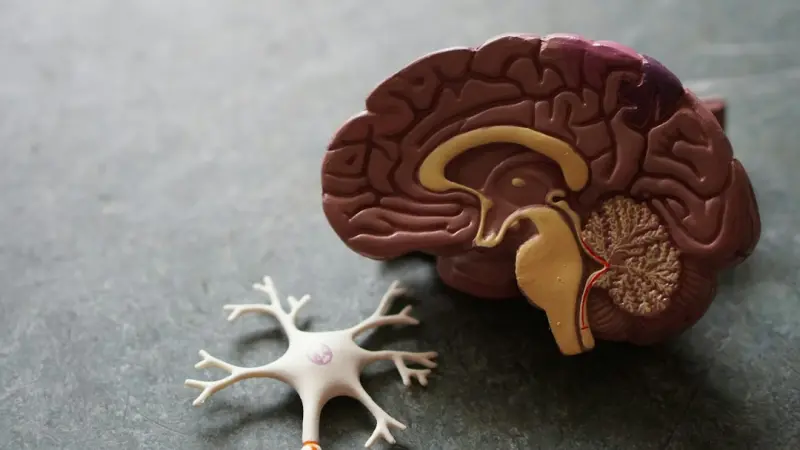
The Gut‑Brain Connection: Micro‑Habits for a Balanced Mind
A practical guide to the gut‑brain axis, offering simple dietary tweaks, outdoor exposure tips, an... Read More

Holistic Health Redefined: My Personal Journey to Whole‑Self Wellness
Nikki McDonald shares her transformative path to holistic health, revealing how mindful nutrition, f... Read More
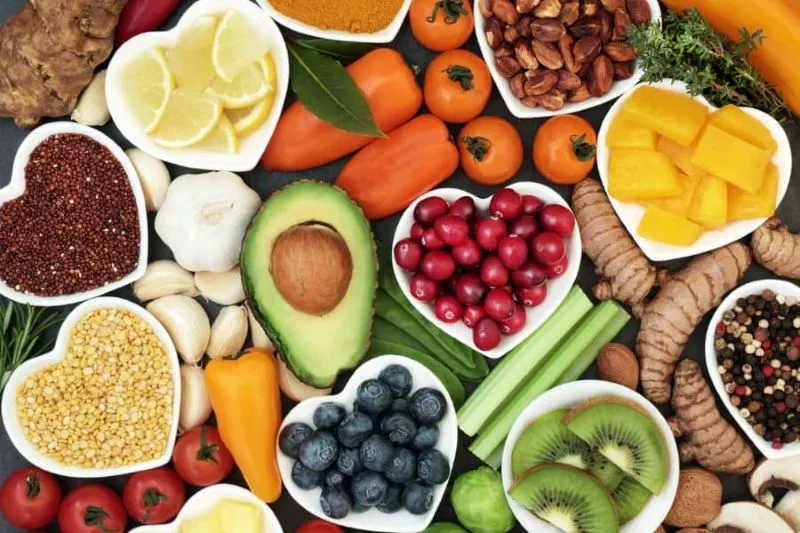
Best Fruits and Vegetables for a Healthy Heart
Discover the best fruits and vegetables to improve your cardiovascular health naturally. From antiox... Read More
Top Posts

Fueling the Silent Engine: Supercharge Your Liver for Unstoppable Performance
The liver is the hidden powerhouse behind focus and stamina. Learn three actionable pillars—chronobiology‑aligned nutrition, targeted micronutrients, and to...Read More

Reimagining Cancer Care: A Holistic Playbook for Personal Empowerment
A fresh perspective on cancer care that blends environmental awareness, microbiome nutrition, purposeful movement, narrative healing, and technology to empower ...Read More

The Community Cure: Harnessing Social Connection to Tame Blood Pressure
Explore the science behind social ties and blood pressure, learn three actionable ways to build supportive connections, and follow a 30‑day plan to see measur...Read More

Unlocking the Secrets of Longevity: A Holistic Playbook for 2026
A 2026‑focused, holistic guide reveals daily rituals, biometric monitoring, and community strategies that transform longevity from a goal into a sustainable l...Read More
0 Comments
Post Comment
You will need to Login or Register to comment on this post!