

Why Light Is the Quiet Superhero of Your Health
When I first stepped into a bright, sun‑lit studio for a morning yoga session, I felt an almost electric lift in my chest. It wasn’t the flow of the poses or the soothing music—it was the light itself, gently coaxing my nervous system awake. Over the years I’ve watched clients transform simply by adjusting how, when, and what type of light they invite into their lives. Light isn’t just a decorative element; it’s a silent messenger that talks directly to our circadian clock, hormone factories, and even the tiny microbes that call our gut home.
The Science Behind the Glow
Our bodies have evolved under a predictable pattern of sunrise and sunset. Specialized retinal cells called intrinsically photosensitive retinal ganglion cells (ipRGCs) detect blue‑rich daylight and send signals to the suprachiasmatic nucleus—the master clock in the brain. This cascade regulates melatonin, cortisol, and a host of other hormones that dictate sleep, alertness, appetite, and mood. When we disrupt that natural rhythm—by sleeping with the blinds drawn, scrolling on phones late at night, or spending most of the day under artificial fluorescents—we essentially send mixed messages to that clock, leading to hormonal discord, mood dips, and metabolic sluggishness.
Morning Light: The Natural Reset Button
Think of the first 30 minutes after sunrise as a “reset button” for your internal systems. Exposure to bright, blue‑rich light within this window suppresses melatonin production, spikes cortisol (the hormone that helps us rise and meet the day), and boosts serotonin—the precursor to the feel‑good hormone dopamine. Studies show that people who get at least 15‑20 minutes of natural light early in the day report better mood, sharper cognition, and more stable blood sugar throughout the afternoon.
Practical tip: Place your breakfast table near a window, or take a short walk outside before your first coffee. Even on cloudy days, the ambient light is enough to stimulate those ipRGCs.
Midday Sun: Fuel for Metabolism
Beyond mood, light has a direct line to the metabolic engine. Sunlight exposure increases the activity of brown adipose tissue (BAT), the “good” fat that burns calories to generate heat. When BAT is activated, you experience a modest rise in resting metabolic rate—meaning you burn a few extra calories even while sitting at your desk. Moreover, midday sunlight helps regulate the timing of insulin release, reducing the risk of spikes that can lead to insulin resistance over time.
Tip for office workers: If you can’t step outside, position your workstation near a daylight‑simulating lamp that emits a balanced spectrum (especially around 460 nm, the blue peak). Even 10 minutes of focused light can make a measurable difference.
Evening Light: The Gentle Wind‑Down
As the day wanes, our bodies need a cue to start winding down. Exposure to warm, amber‑toned light in the evening signals the pineal gland to increase melatonin production, preparing us for restorative sleep. Blue‑rich light from phones, tablets, and LED bulbs, however, tricks the brain into thinking it’s still daytime, delaying sleep onset and fragmenting deep‑sleep stages.
Creating an evening light ritual can be as simple as swapping out harsh white bulbs for soft, dimmable amber lamps and turning off screens at least an hour before bed. For those who love a bedtime read, a dedicated e‑ink reader with a built‑in warm light filter can keep the glow gentle.
Light Therapy Boxes: More Than a Winter Remedy
Seasonal affective disorder (SAD) popularized the use of light therapy boxes, but their benefits extend far beyond winter blues. Modern, clinically validated light boxes emit a 10,000‑lux intensity that mimics bright outdoor daylight without the UV risk. Regular sessions—typically 20‑30 minutes in the morning—have been shown to improve depressive symptoms, boost alertness, and even aid in weight management by normalizing appetite hormones.
When choosing a box, look for one that meets the Seasonal Rhythm guidelines: a full-spectrum design, adjustable tilt, and a timer function. Consistency is key; a daily habit yields the most robust results.
Integrating Light With Nutrition: A Synergistic Duo
Light and food share a surprising partnership. Our gut microbiome responds to the timing of meals, and emerging research suggests that light exposure can influence microbial diversity. For instance, bright morning light combined with a protein‑rich breakfast can promote the growth of beneficial bacteria that thrive on amino acids, while evening light exposure paired with a light snack helps keep the gut calm and reduces inflammation.
Curious about how meal timing intersects with light? Dive deeper into the concept of the gut clock and discover practical strategies to align your plates with your light schedule.
Designing Light‑Friendly Spaces at Home
Just as we can make a home blood‑pressure‑friendly, we can craft environments that support optimal light exposure. Here are three design pillars:
- Window Maximization: Keep window treatments light and unobstructed during the day. Sheer curtains allow natural light while maintaining privacy.
- Layered Lighting: Combine ambient, task, and accent lighting with dimmable controls. Use cool‑white LEDs (around 4000 K) for workspaces, and shift to warm‑white (2700 K) in living and sleeping areas after sunset.
- Reflective Surfaces: Light-colored walls, glossy floors, and strategically placed mirrors bounce daylight deeper into rooms, reducing the need for artificial lighting.
By integrating these principles, you’ll create a home that naturally guides your circadian rhythm from sunrise to bedtime.
Technology Meets Light: Wearables and Smart Home Integration
Smart wearables now come equipped with light sensors that track ambient exposure and give real‑time feedback. Some devices can even trigger smart lights to adjust their hue and intensity based on the time of day, ensuring you always receive the right spectrum. Pairing a light‑responsive lamp with a sleep‑tracking app creates a feedback loop: the app detects when you’re entering light‑sleep and gradually dims the room, encouraging deeper rest.
While tech can be a double‑edged sword—remember the digital overload warning in our Digital Web article—when used mindfully, it becomes an ally for circadian health.
Beyond the Visible: The Role of Infrared and Red Light
Infrared (IR) and red light therapy have surged in popularity for skin health, joint pain, and muscle recovery. These longer wavelengths penetrate deeper into tissue, stimulating mitochondrial activity and increasing ATP production—the cellular “energy currency.” Regular sessions (typically 5‑10 minutes) can reduce inflammation, accelerate healing, and even improve blood flow to the brain, supporting cognitive clarity.
For a balanced approach, consider a dual‑light regimen: morning exposure to blue‑rich daylight for alertness, and evening or post‑exercise sessions with red/IR light for recovery.
Personalizing Your Light Blueprint
No two bodies respond identically to light. Factors like skin tone, age, existing health conditions, and lifestyle dictate the optimal exposure dose. Here’s a quick self‑assessment you can try:
- Track your natural light exposure for a week using a smartphone app or a wearable that logs lux levels.
- Note mood, energy, and sleep quality each day.
- Identify patterns—do you feel sluggish on days with less morning light? Does evening screen time push bedtime later?
- Adjust one variable at a time (e.g., add a 15‑minute sunrise walk) and monitor changes for another week.
Iterate until you find a rhythm that feels effortless. Remember, the goal isn’t to force more light but to harmonize with the light that’s already available to you.
Conclusion: Light as a Daily Prescription
We often search for exotic supplements or high‑tech gadgets to boost health, yet the most powerful prescription may be sitting on our windowsills. By honoring the natural language of light—bright sunrise, warm afternoon, and soothing dusk—we can unlock better mood, sharper cognition, balanced metabolism, and deeper sleep. Start small, stay consistent, and let the glow guide you toward a more vibrant, resilient life.

Kelly Reynolds is a dynamic freelance writer hailing from the picturesque landscapes of Alberta. A master of the written word, she juggles her passion for storytelling with the exhilarating chaos of being a mother to five spirited children. With an impressive portfolio that spans various genres, Kelly captivates readers through her engaging blog posts and thought-provoking articles.
Related Posts

Finding Calm in Concrete: How Forest Bathing Can Transform Your Workday
A practical guide to incorporating forest bathing into a city professional’s routine, highlighting... Read More
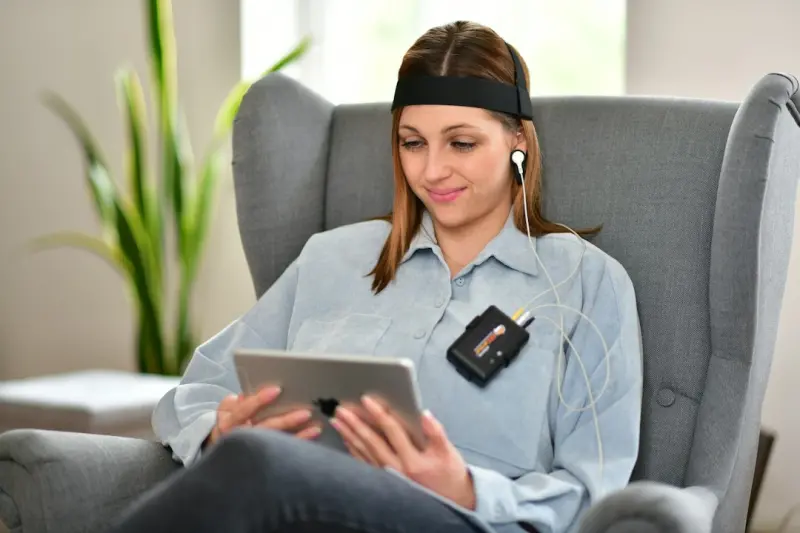
Unlocking Stress Resilience: How Biofeedback Wearables Are Changing Health
Biofeedback wearables translate your body's stress signals into real‑time insights, offering actio... Read More
Screen Sabbatical: How Unplugging Powers Your Health
A deep dive into the health benefits of stepping away from screens, with actionable steps to create ... Read More
Top Posts

Rewire Your Lifestyle for a Happier Liver: A Holistic Reset
A personal, step‑by‑step guide that blends aromatherapy, mindful tech use, and seasonal movement to nurture a resilient liver....Read More

Micro‑Rest Mastery: Turning Narcolepsy into a Workplace Superpower
A fresh look at narcolepsy shows how brief, intentional micro‑rests can reset the brain, spark creativity, and improve productivity, turning a neurological ch...Read More

Fueling Focus: How the Foods on Your Plate Shape Your Cognitive Rhythm
Explore a science‑backed approach to daily nutrition that aligns flavor, micronutrients, and brain chemistry, offering practical meal ideas to sustain focus, ...Read More

Silent Signals: Leveraging Everyday Tech to Keep Your Blood Sugar in Check
Turn ordinary home and office tech into a silent partner for glucose stability—learn practical steps to smooth out blood‑sugar spikes and boost focus....Read More
0 Comments
Post Comment
You will need to Login or Register to comment on this post!