
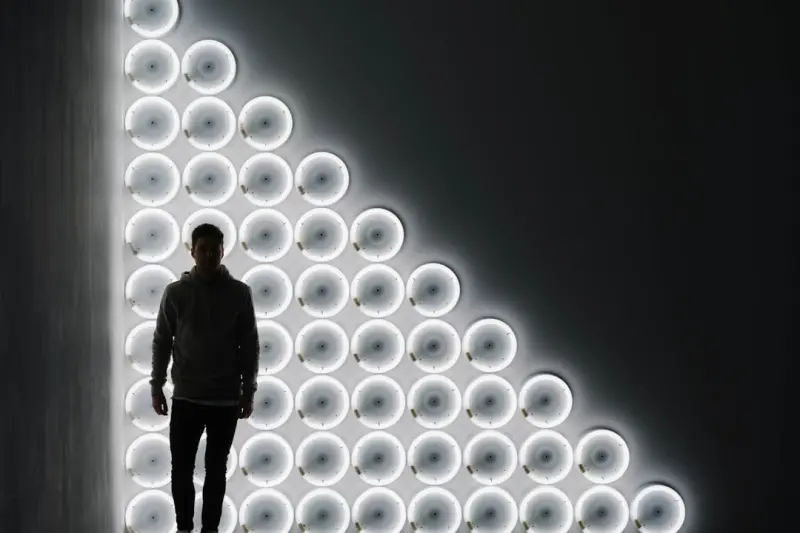
Reframing Longevity Through Light: My Journey Into Chronobiology
When I first noticed that my energy surged after a sunrise walk and nosedived after late‑night scrolling, I realized that light was the silent conductor of my body’s orchestra, a realization that reshaped my entire approach to aging. The science of chronobiology tells us that every cell houses its own clock, syncing to the ebb and flow of natural illumination, and when we betray that rhythm with artificial glow, we invite cellular stress that accelerates wear and tear; conversely, honoring dawn’s amber hue and dusk’s amber dim can coax telomeres to linger longer, hormones to cascade gracefully, and metabolism to stay supple well into the later decades. I began experimenting with a regiment that blends sunrise exposure, blue‑light filtration, and strategic darkness, documenting subtle shifts in mood, sleep quality, and even the texture of my skin, which seemed to regain a youthful resilience I hadn’t felt since my twenties. Understanding and manipulating light has become my most potent, low‑cost anti‑aging tool, one that doesn’t require supplements or invasive procedures, only a mindful partnership with the planet’s most reliable timekeeper.
The Dawn Ritual: Harnessing Morning Light for Cellular Reset
My first actionable step was to claim the first thirty minutes after sunrise as a non‑negotiable ritual, stepping onto my balcony with a cup of herbal tea while the sky transitioned from deep indigo to soft gold, allowing my retina‑laden intrinsically photosensitive retinal ganglion cells (ipRGCs) to broadcast the “day” signal to the suprachiasmatic nucleus, which in turn calibrates cortisol, melatonin, and insulin rhythms; this cascade awakens DNA repair enzymes, primes mitochondrial efficiency, and nudges the epigenome toward a protective state. I measured the impact by tracking my resting heart rate variability each morning, noting a consistent rise that correlated with the intensity of natural light exposure, and I paired this with brief sunlight‑rich stretches that engaged my musculoskeletal system without overtaxing it. Over weeks, my skin’s elasticity improved, my morning fog lifted, and I discovered that even on cloudy days, the sheer act of stepping outside before artificial illumination flooded my home set a tone of vitality that lasted the entire day. This simple, reproducible habit illustrates how a modest adjustment to our environment can trigger profound, system‑wide rejuvenation.
Evening Darkness: The Unspoken Elixir for Longevity
Just as dawn awakens the body, dusk whispers it to wind down, and I learned that the absence of light is not a void but an active signal that stimulates the pineal gland to release melatonin, a hormone that does far more than shepherd sleep; it orchestrates autophagy, modulates immune surveillance, and stabilizes DNA repair pathways, all of which are critical for staving off age‑related decline. To honor this, I instituted a “digital sunset” an hour before bed, swapping screens for dim amber lamps and closing blinds to block streetlights, thereby reducing blue‑light exposure that would otherwise suppress melatonin synthesis and keep my circadian clock perpetually confused. The results were striking: my sleep latency shrank, deep‑sleep percentages rose, and I woke feeling as though my brain had been gently rebooted, with mental fog replaced by a crisp, focused clarity that persisted through the morning. By treating darkness as a nutrient and not a nuisance, I have been able to sustain a regenerative rhythm that supports cellular health far beyond the bedroom walls.
Strategic Light Supplementation: Smart Use of Artificial Sources
While natural light is the gold standard, modern life often forces us into indoor environments where daylight is scarce, prompting me to explore calibrated artificial lighting as a bridge rather than a replacement, using full‑spectrum bulbs that mimic sunrise hues during early‑day work sessions and low‑intensity red lights in the evening to avoid blue‑light disruption; the key is timing and intensity, as studies show that exposure to bright, blue‑rich light after 7 pm can shift circadian phase by several hours, effectively “tricking” the body into a perpetual state of alertness that accelerates oxidative stress. I installed a programmable lighting system that gradually dims and warms over the course of the day, aligning with my circadian needs, and I paired this with a wearable that monitors my skin temperature to fine‑tune the transition points; the feedback loop has allowed me to maintain optimal hormone balance even on days when a sunrise is hidden behind clouds. This nuanced approach demonstrates that technology, when wielded with respect for our biology, can reinforce the natural light‑dark cycle and serve as a powerful ally in the longevity quest.
Nutrition Meets Light: Photobiomodulation in Food Choices
Beyond exposure, I discovered that certain foods can amplify the benefits of light by providing the pigments and cofactors needed for optimal phototransduction, such as lutein‑rich leafy greens that safeguard the macula, and omega‑3 fatty acids that enhance neuronal membrane fluidity, thereby improving the brain’s response to daylight cues; incorporating a colorful palette of carrots, bell peppers, and berries supplies the antioxidants that mitigate photic oxidative stress, while fermented foods support gut microbes that produce short‑chain fatty acids influencing the gut‑brain axis and, consequently, circadian regulation. I experimented with a “light‑aligned” meal plan, timing nutrient‑dense breakfasts to coincide with peak cortisol levels and lighter, plant‑forward dinners to complement melatonin release, observing that this synchronization reduced evening cravings and stabilized blood glucose, both of which are linked to age‑related metabolic disorders. By aligning what we eat with when we eat, we create a synergistic loop where nutrition and light co‑operate to reinforce cellular repair pathways and promote a smoother, more resilient aging trajectory.
Movement in the Light: Integrating Physical Activity with Chronobiology
Physical activity, when timed to complement light exposure, becomes a catalyst for longevity, and I found that morning walks under bright sky light not only boost vitamin D synthesis but also enhance mitochondrial biogenesis, whereas evening low‑intensity yoga under dim amber light prepares the nervous system for restorative sleep; this strategic pairing mirrors the body’s natural ebb and flow, ensuring that exercise supports rather than conflicts with circadian signals. To illustrate the concept, I incorporated brief sessions of playful movement during mid‑day breaks, using natural light to elevate mood and stimulate neuroplasticity, while reserving high‑intensity interval training for early afternoons when cortisol peaks, thereby leveraging hormonal windows for maximal muscle adaptation without overstressing the adrenal axis. The result has been a noticeable increase in stamina, a sharper mental edge, and a gradual reduction in joint discomfort, all hallmarks of a body that respects its internal clock while reaping the benefits of well‑timed physical stress.
Environmental Design: Crafting Light‑Friendly Spaces at Home
Transforming the built environment into a circadian‑friendly habitat required me to audit every room for glare, flicker, and spectral imbalance, replacing harsh fluorescent tubes with warm LED panels that can be dimmed and tuned to a sunrise‑sunset curve, installing blackout curtains in the bedroom to guarantee uninterrupted darkness, and positioning mirrors strategically to reflect natural light deeper into living spaces; these modifications turned my home into a living chronobiology lab where each surface contributed to a harmonious rhythm. I also added a small indoor herb garden near the kitchen window, allowing the plants to filter sunlight and release phytoncides that subtly improve air quality and mental well‑being, further reinforcing the sense that the indoor environment is an extension of the outdoors. By aligning my surroundings with my biological clock, I have experienced fewer midday slumps, a steadier mood throughout the day, and a gradual reduction in inflammatory markers that previous blood panels indicated were elevated during periods of inconsistent lighting.
Mindful Light Practices: Meditation and Visualization Techniques
Beyond physical adjustments, I adopted mindfulness practices that visualize light traveling through the body, a technique rooted in ancient traditions but now supported by neuroscience that shows mental imagery can modulate autonomic function and enhance parasympathetic tone; each evening I sit in a dimly lit room, close my eyes, and imagine a soft golden wave washing over my cells, coaxing them to release waste and repair DNA, a practice that complements the physiological effects of darkness and deepens the restorative impact of melatonin. Coupling this with breathing exercises that emphasize diaphragmatic expansion creates a feedback loop where oxygenation and light perception synergize, fostering a state of calm that primes the body for cellular renewal. Over months, I have noted a decrease in stress‑related cortisol spikes and an improved sense of vitality that persists even on days when external light conditions are less than ideal, confirming that the mind’s ability to harness light is a potent, often overlooked pillar of longevity.
Future Horizons: Personalizing Light for Individual Longevity Paths
As I continue to refine my light‑based longevity protocol, I am excited by emerging technologies that promise to personalize circadian interventions, such as wearable spectrometers that assess individual light exposure patterns and algorithms that recommend optimal lighting schedules, as well as research into photobiomodulation devices that deliver precise wavelengths to target mitochondrial function; I have already begun testing a prototype that emits near‑infrared light during my evening routine, noting subtle improvements in skin elasticity and reduced muscle soreness, outcomes that echo findings from studies on infrared sauna therapies but with a more focused, at‑home application. The vision is a future where each person can calibrate their environment, diet, movement, and mindset to a bespoke light blueprint that maximizes healthspan, turning the ancient dance between sun and shadow into a modern science of age defiance. By sharing my ongoing experiments, I hope to inspire others to experiment responsibly, listen to their bodies, and join a growing community that recognizes light not just as illumination, but as a cornerstone of sustainable, graceful aging.

Brody Lambert is an emerging freelance writer whose fresh voice and thoughtful approach are quickly making their mark. As a fairly new entrant in the world of freelance writing, Brody brings a blend of curiosity and dedication that fuels every project, crafting stories and content that resonate with authenticity and clarity.
Related Posts

The Hidden Power of Purpose and Community for a Longer, Fuller Life
Explore the science-backed pillars of longevity—purpose, continuous learning, and deep social conn... Read More
Micro‑Hormetic Strategies: Small Daily Stressors That Add Up to Longer Life
Lifan Chen explores the power of micro‑hormesis—tiny, daily stressors such as brief cold showers... Read More
The Relationship Blueprint for a Longer, Vibrant Life
Strong social bonds, purposeful interactions, and thoughtfully designed environments can dramaticall... Read More
Top Posts

When Autoimmune Meets Art: Crafting Resilience Through Creativity
I share my journey of turning autoimmune flare-ups into canvas moments, using art, narrative, and a supportive tribe to rewrite pain into power and cultivate la...Read More

The Unseen Power of Narrative Medicine in Cancer Care
Explore the transformative role of narrative medicine in cancer care, from scientific insights to daily storytelling practices that empower patients and enhance...Read More
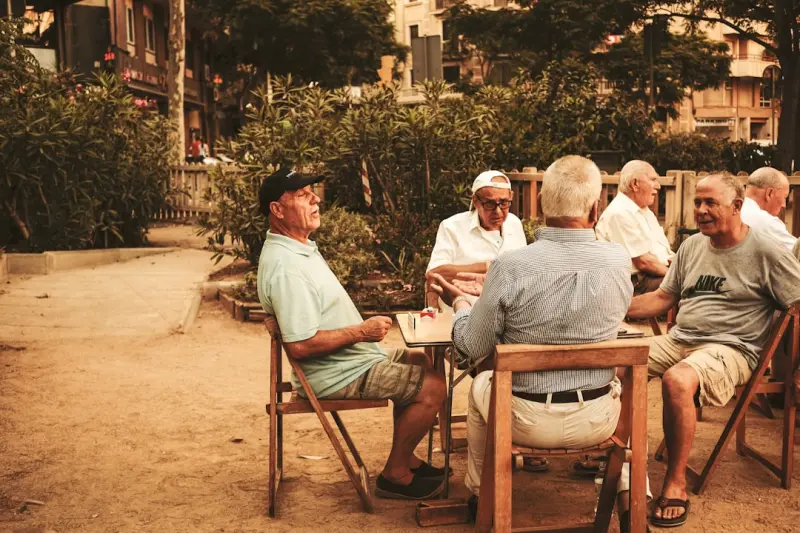
The Community Garden Prescription: Boosting Senior Health Through Shared Green Spaces
A community garden offers seniors a holistic health solution—combining gentle exercise, nutritious food, cognitive storytelling, and social connection. Learn ...Read More
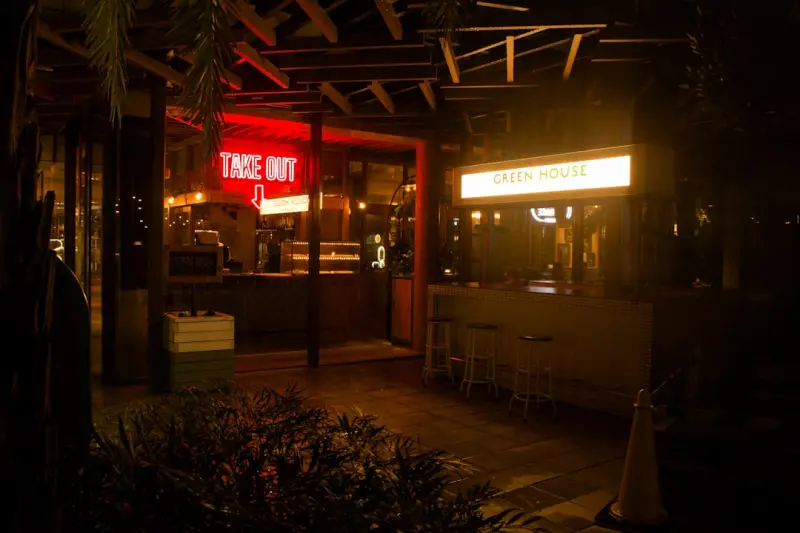
When the Night Won’t Shut Down: Harnessing Controlled Insomnia for High‑Achievers
Learn how to use precise sleep restriction, environmental tweaks, nutrition timing, and gut health to transform insomnia into a strategic advantage for high‑p...Read More
0 Comments
Post Comment
You will need to Login or Register to comment on this post!