
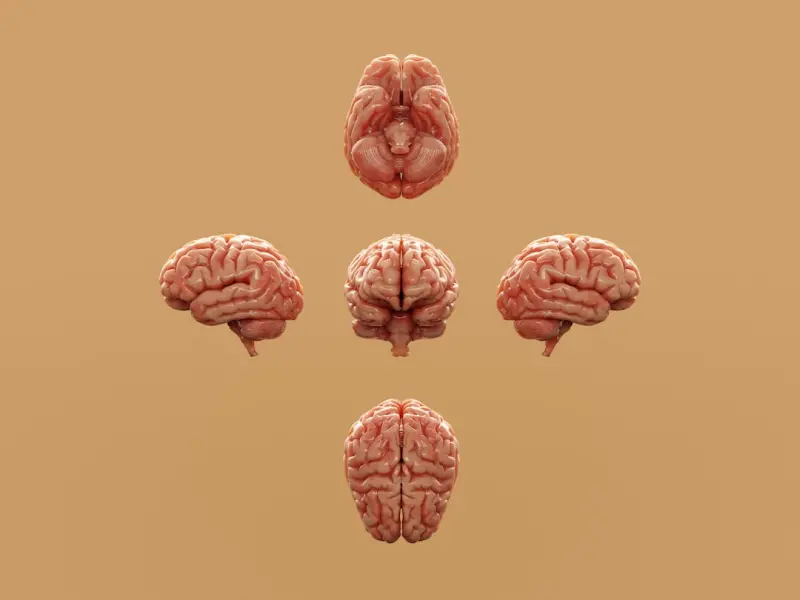
Why the Gut Matters More Than You Think
The brain doesn’t operate in isolation; it’s constantly chatting with the gut through a bustling network of nerves, hormones, and microbes. This two‑way conversation, known as the gut‑brain axis, influences mood, memory, and even the speed at which we process information. Recent research shows that the trillions of bacteria living in our intestines produce neurotransmitters—like serotonin and dopamine—that are essential for mental clarity and emotional balance. When the microbial community is diverse and thriving, it sends calming signals to the brain, helping us stay focused and resilient under pressure. Conversely, an imbalanced gut can trigger inflammation, disrupt sleep, and spark anxiety, creating a feedback loop that erodes cognitive performance over time. By nurturing the gut, we lay a foundation for sharper thinking, better stress management, and a more adaptable mind. In this article, I’ll share practical, science‑backed steps you can take to cultivate a gut environment that supports brain health, all from my perspective as someone who’s spent years blending nutrition, lifestyle coaching, and personal experimentation.
Feed Your Microbes, Fuel Your Mind
What you eat directly shapes the composition of your gut microbiome, and the right foods can act like premium fuel for both gut and brain. Fermented staples such as kefir, sauerkraut, and kimchi are rich in live cultures that introduce beneficial bacteria, boosting microbial diversity and promoting the production of short‑chain fatty acids that protect brain cells. In addition, high‑fiber fruits, vegetables, and whole grains serve as prebiotics—essentially food for the good bugs—encouraging them to flourish. Studies link a diet rich in these nutrients to improved memory recall and faster information processing, likely because the metabolites they generate cross the blood‑brain barrier and reduce oxidative stress. To make this practical, aim for at least five colorful plant servings a day, and incorporate a fermented option at each meal. Simple swaps, like swapping sugary yogurts for plain kefir or adding a spoonful of miso to soups, can dramatically shift the microbial balance toward a state that supports mental agility.
Stress Management: Calm the Gut, Calm the Brain
Stress is a silent saboteur of gut health, releasing cortisol that can alter the gut lining and encourage the growth of harmful bacteria. When the gut barrier becomes “leaky,” toxins enter the bloodstream, inflaming the brain and impairing cognition. Mind‑body practices such as deep breathing, progressive muscle relaxation, and gentle yoga have been shown to lower cortisol levels, thereby protecting the gut lining and fostering a healthier microbial ecosystem. Even short, intentional pauses throughout the day—like a three‑minute breath count before a meeting—can reset the nervous system and send soothing signals to the gut. By integrating these habits, you not only reduce mental fog but also create a more hospitable environment for the microbes that produce mood‑stabilizing neurotransmitters. Remember, a calm gut translates to a calm mind, so treat stress reduction as a cornerstone of brain‑boosting nutrition.
Sleep: The Nighttime Reset for Gut and Brain
Sleep and the gut share a bidirectional relationship that is often overlooked. During deep, restorative sleep, the gut repairs its lining, and beneficial bacteria proliferate, preparing the brain for the next day’s challenges. Conversely, a disrupted microbiome can interfere with the production of melatonin, the hormone that regulates sleep cycles, leading to restless nights and cognitive fatigue. To support this nightly reset, maintain a consistent bedtime routine, dim lights an hour before sleep, and avoid heavy, processed meals late in the evening. Including magnesium‑rich foods like leafy greens and nuts can also promote relaxation and enhance the quality of REM sleep, the stage most associated with memory consolidation. By prioritizing sleep hygiene, you give both the gut and the brain the time they need to recover, synthesize, and strengthen neural pathways.
Targeted Supplements: Probiotics, Pre‑biotics, and Beyond
While a food‑first approach is ideal, strategic supplementation can fill gaps, especially during periods of heightened mental demand or after antibiotic courses. High‑quality probiotic capsules containing strains such as Bifidobacterium longum and Lactobacillus rhamnosus have demonstrated benefits for mood regulation and reduced anxiety. Pair them with prebiotic fibers like inulin or acacia gum to provide nourishment for the introduced bacteria, ensuring they take root and thrive. Additionally, omega‑3 fatty acids—found in fish oil or algae supplements—support the integrity of neuronal membranes and complement the anti‑inflammatory actions of a healthy gut. Before starting any regimen, consider a simple at‑home stool test or consult a healthcare professional to tailor choices to your unique microbiome profile. Thoughtful supplementation, when combined with a gut‑friendly diet, can accelerate the cognitive benefits you’re seeking.
Movement Matters: Exercise as a Microbiome Booster
Physical activity is a powerful, often underestimated, modulator of gut health. Regular aerobic exercise, even moderate walking, increases microbial diversity and encourages the growth of bacteria that produce anti‑inflammatory compounds. This, in turn, supports neurogenesis—the birth of new brain cells—in the hippocampus, a region critical for learning and memory. To reap these benefits, aim for at least 150 minutes of moderate cardio each week, interspersed with strength‑building sessions that promote overall metabolic health. If you’re short on time, incorporate short bursts of activity like stair climbs or backyard dance parties; the key is consistency. By moving your body, you’re simultaneously nourishing your gut and sharpening your mind, creating a virtuous cycle of health.
Connecting the Dots: Lifestyle Integration for Lasting Brain Health
Integrating gut‑focused strategies into a holistic lifestyle plan ensures the changes are sustainable. Start by mapping your current habits—diet, sleep, stress responses, and activity levels—and identify one area to tweak each week. For example, week one could involve adding a fermented snack, week two a nightly screen‑free hour, and week three a morning walk. Track how these adjustments affect your mental clarity, mood, and energy. Over time, you’ll notice patterns that guide further refinements, turning gut health from a buzzword into a lived reality. Remember, the brain thrives on consistency, so celebrate small wins and stay patient; the microbiome evolves slowly, but the cognitive payoff can be profound. As you nurture this invisible ecosystem, you’ll discover a sharper, more resilient mind ready to tackle life’s complexities.
Further Reading and Community Resources
If you’re curious about how other lifestyle factors intersect with mental well‑being, check out our guide on Digital Boundaries for tips on reducing screen‑time stress, and explore The Narrative Cure to learn how storytelling can reinforce the neural pathways you’re strengthening through gut health. Together, these resources create a comprehensive toolkit for anyone seeking to optimize cognition from the inside out.

Tammy French is a Montessori Teaching Assistant and freelance writer passionate about education, creativity, and inspiring lifelong learning through engaging content.
Related Posts

Brain Boosting Through Intentional Daydreaming
A deep dive into intentional daydreaming reveals its neurochemical benefits, practical techniques, a... Read More
Designing Spaces that Boost Brain Power
A strategic workspace shapes cognition: learn to harness sound, lighting, color, aroma, posture, and... Read More
Navigating the Complex World of Brain Health: A Holistic Approach
Maintaining brain health is crucial for overall wellbeing. Learn how to adopt a holistic approach to... Read More
Top Posts

When the Algorithm Eats: How Social Media Fuels Modern Eating Disorders
A deep dive into how algorithmic feeds, diet apps, and online communities shape modern eating disorders, plus actionable strategies for individuals, professiona...Read More

Flavor‑First Nutrition: Turning Every Meal into a Creative Power‑Up
Explore a sensory‑driven nutrition strategy that uses taste, aroma, texture, and visual appeal to boost creativity and mental performance, complete with a 7â€...Read More

Virtual Horizons: How Immersive Tech Is Redefining Mental Wellness
Discover the emerging role of virtual reality in mental health, offering immersive experiences that boost emotional regulation, reduce stress, and provide new t...Read More

Pregnancy as a Data-Driven Experiment: Leveraging Metrics for a Healthier Trimester
Learn to turn pregnancy into a data-driven experiment by tracking key health metrics, using smart tools, and integrating insights with your care team for a heal...Read More
0 Comments
Post Comment
You will need to Login or Register to comment on this post!