
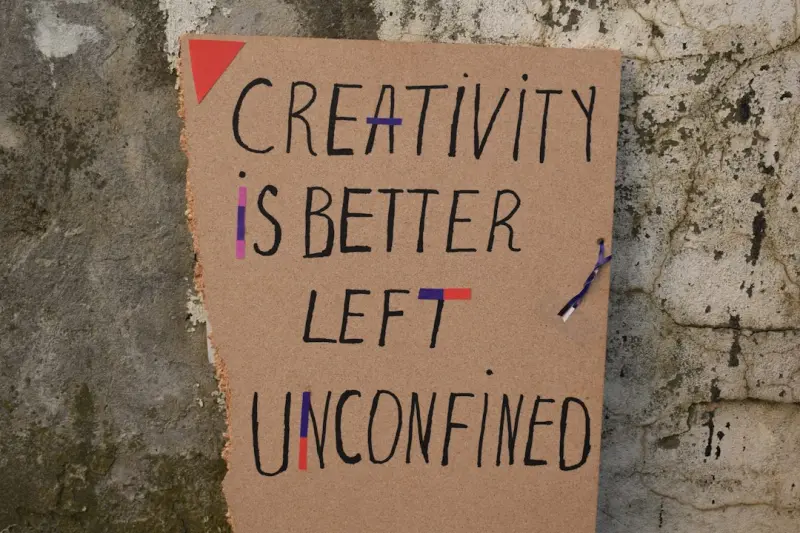
Why Storytelling Is the Unexpected Ally in the Cancer Journey
When I first sat beside a patient who was grappling with a fresh diagnosis, I expected the conversation to revolve around scans, treatment plans, and the inevitable flood of medical jargon. Instead, the dialogue drifted to stories—the books she cherished as a child, the jokes she whispered to her grandchildren, the quiet moments of reflection she recorded in a battered notebook. It struck me then that cancer, for all its clinical severity, is also a profoundly narrative experience. The way we frame the story we’re living can reshape how we cope, heal, and even influence biological pathways that matter to recovery.
The Science Behind Narrative Healing
Neuroscientists have long known that the brain is a storytelling organ. When we construct a narrative, we engage the prefrontal cortex, hippocampus, and limbic system in a synchronized dance that modulates stress hormones, immune response, and even gene expression. Recent studies in psycho‑oncology demonstrate that patients who actively re‑author their cancer story—shifting from a script of victimhood to one of agency—show measurable improvements in:
- Reduced cortisol levels, which can blunt inflammation.
- Enhanced activity of natural killer cells, the body’s frontline defenders against malignant cells.
- Better adherence to treatment regimens, because motivation is no longer driven by fear alone.
These findings are not just academic curiosities; they are practical levers we can pull in everyday care.
From Journal Pages to Hospital Walls: Practical Ways to Weave Narrative Into Care
Below are tried‑and‑tested strategies that clinicians, caregivers, and patients themselves can adopt without needing a Ph.D. in literature.
1. Structured Journaling Sessions
Set aside 10‑15 minutes each day for a free‑writing exercise. The key is structure, not restriction: begin with a prompt such as “Today, I felt strongest when…” or “A moment of surprise reminded me of…” This practice creates a habit of externalizing inner dialogue, preventing rumination from spiraling into anxiety.
2. Collaborative Story Circles
Group storytelling—whether in a support group, a community art class, or a virtual forum—creates a shared narrative space. Participants take turns adding a line to a collective story about resilience. The communal aspect amplifies the sense of belonging and can lower feelings of isolation that are common in oncology settings.
3. Digital Storytelling Platforms
Apps that let patients compile photos, voice notes, and written reflections into a digital scrapbook empower them to curate their own legacy. These platforms also provide clinicians with a window into the patient’s emotional landscape, allowing for more tailored psychosocial interventions.
4. Narrative‑Driven Physical Therapies
Physical rehabilitation isn’t just about range of motion; it can be a story in motion. When a patient imagines each stretch as “unfolding a new chapter” or each walk as “traversing a plot twist,” the activity becomes imbued with meaning, boosting adherence and reducing perceived exertion.
When Gentle Touch Meets Narrative
Touch has always been a cornerstone of compassionate care. In recent years, research on gentle touch therapies has revealed that even brief, intentional contact can lower stress hormones and elevate oxytocin, a hormone that fosters trust and emotional bonding. When paired with storytelling—such as reading a favorite passage while providing a soothing hand massage—the combined effect can be synergistic, offering both physical comfort and emotional resonance.
The Role of Organ Health in Narrative Resilience
While the narrative is a powerful tool, it does not operate in isolation from the body’s physiological systems. The liver health's role in detoxifying chemotherapeutic metabolites, regulating hormones, and supporting immune function is often underappreciated. A well‑functioning liver can better process the stress‑related toxins that accumulate when a patient is emotionally overwhelmed. By nurturing liver health through nutrition, hydration, and gentle movement, patients create a more stable biochemical backdrop for narrative healing to take root.
Integrating Narrative Practices Into Clinical Workflow
Healthcare providers might wonder how to fit these seemingly “soft” interventions into an already packed schedule. Here’s a pragmatic roadmap:
- Screening Prompt: Add a single question to intake forms—“What story or memory brings you comfort today?” This opens the door for narrative engagement without adding time.
- Brief Narrative Check‑Ins: During routine vitals, clinicians can allocate 2‑3 minutes to ask patients about a recent narrative experience, reinforcing the habit.
- Referral Network: Partner with medical writers, art therapists, and community storytellers who can lead workshops, allowing the oncology team to focus on medical care.
- Documentation: Record notable narrative milestones in the EMR under “Psychosocial Notes” to track progress and inform multidisciplinary discussions.
Addressing Common Misconceptions
Myth 1: Storytelling Is Just “Feel‑Good” fluff. The evidence base demonstrates tangible physiological benefits, not just emotional comfort.
Myth 2: Only “Creative” People Can Benefit. Narrative healing is about meaning, not artistry. Anyone can craft a story about their experience, even in simple bullet points.
Myth 3: It Replaces Medical Treatment. Far from it. Narrative practices are complementary, designed to enhance adherence and quality of life alongside evidence‑based therapies.
Case Spotlight: A Patient’s Journey From Silence to Story
Maria, a 52‑year‑old teacher diagnosed with stage II breast cancer, initially withdrew from her classroom and family, fearing she would become a burden. Her oncologist introduced her to a hospital‑run narrative workshop. Over eight weeks, Maria wrote a series of letters to her future self, each one concluding with a promise to “turn a page” after a specific treatment milestone.
By the end of chemotherapy, Maria reported a 30 % reduction in perceived pain and a notable increase in energy levels. Blood tests showed a modest rise in lymphocyte counts, suggesting a strengthened immune response. While causality can never be claimed in a single anecdote, Maria’s story aligns with the growing body of research that narrative engagement can act as a catalyst for both mental and physical resilience.
Future Directions: Research, Policy, and Community
The next frontier is integrating narrative metrics into clinical trials. Imagine a study where, alongside survival rates and tumor shrinkage, researchers measure “narrative cohesion scores” derived from patient diaries. Such data could illuminate how storytelling directly correlates with treatment outcomes.
Policy makers can also play a role by incentivizing hospitals to adopt narrative programs, perhaps through quality‑of‑care bonuses tied to patient‑reported experience measures (PREMs). Community organizations, from libraries to local theaters, can become sanctuaries where cancer survivors share their stories, fostering a culture that views illness as a chapter rather than an endpoint.
Takeaway: Your Story Is Your Strength
At its core, cancer is a battle fought on many fronts—cellular, emotional, social, and existential. By consciously shaping the narrative we tell ourselves and sharing it with others, we equip ourselves with a tool that is both deeply personal and scientifically grounded. Whether you’re a patient, a caregiver, or a clinician, consider the power of the story you’re living. Write it, speak it, move with it, and let it become a cornerstone of your healing journey.

Related Posts

Turning Numbers into Hope: Real‑Time Data Transforming Cancer Care
Real‑time data is reshaping oncology, offering continuous symptom monitoring, AI‑driven insights... Read More
Finding Quiet Strength: A Personal Journey Through Cancer and Everyday Resilience
A candid look at cancer through everyday courage, practical nutrition, mindful movement, and communi... Read More
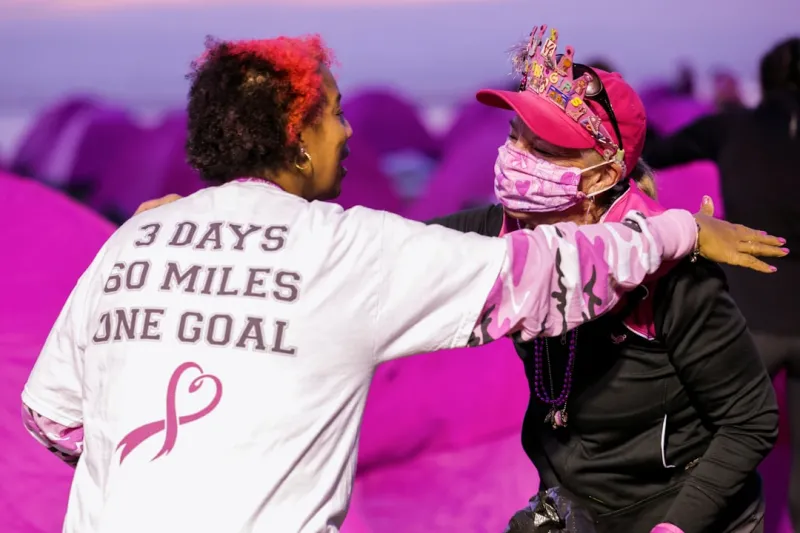
Cancer, Community, and a Holistic Blueprint: William Roy’s Personal Journey
William Roy shares his personal blueprint for navigating cancer with holistic strategies—nutrition... Read More
Top Posts
Reclaiming Hormonal Harmony: A Holistic Guide for Women
Explore a holistic approach to women’s health, covering hormone balance, nutrition, joyful movement, mental wellness, and pregnancy, with practical tips for l...Read More

When Nightmares Take the Stage: Turning Sleep Terrors into Creative Fuel
Sleep terrors, often dismissed as mere nightmares, reveal a hidden surge of energy that can be redirected toward creativity and better workplace wellbeing. This...Read More

The Healing Power of Gentle Touch in the First Months of Life
Gentle, skin‑to‑skin contact is a simple yet powerful practice that supports an infant’s immune system, brain wiring, and emotional health. Learn how to w...Read More

When the Night Won’t Cooperate: Rewiring Insomnia with Sensory Reset
A step‑by‑step guide to mapping your night‑time sensory landscape, adjusting light, sound, temperature, and using simple data tools to transform restless ...Read More
0 Comments
Post Comment
You will need to Login or Register to comment on this post!