
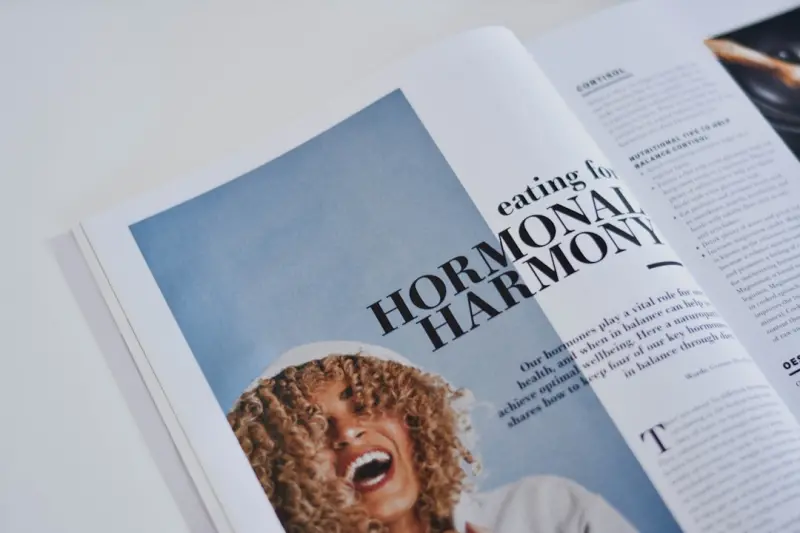
When I first heard the phrase “cycle syncing,” I imagined a futuristic treadmill that adjusted its speed to match my mood. Instead, I found a surprisingly simple, science‑backed practice that lets women tune their professional and personal lives to the natural ebb and flow of their hormones. It’s not a gimmick; it’s a roadmap for turning a biological rhythm that many have been taught to hide into a strategic advantage.
Why the Menstrual Cycle Deserves a Seat at the Boardroom
For decades, corporate culture has celebrated the myth of the “steady‑state” employee—someone who can power through any project without fluctuation. The reality, especially for women, is that our bodies operate on a 28‑day cycle that influences energy, cognition, and emotions. Ignoring this rhythm can lead to burnout, missed deadlines, and a subtle, persistent feeling that something is “off.” When we acknowledge the cycle as a factor in performance, we unlock a new dimension of self‑management that benefits both the individual and the organization.
Understanding the Four Phases and What They Mean for Energy, Mood, and Performance
The menstrual cycle is traditionally divided into four phases, each with its own hormonal cocktail:
- Menstrual (Days 1‑5): Estrogen and progesterone are low; the body is in a reset mode. Many women feel a natural urge to rest and introspect.
- Follicular (Days 6‑14): Estrogen rises, boosting serotonin and dopamine. This is the prime window for creativity, strategic thinking, and high‑intensity work.
- Ovulatory (Days 15‑17): Estrogen peaks, and a surge of luteinizing hormone (LH) adds a burst of confidence and social fluency. Networking and public speaking feel natural.
- Luteal (Days 18‑28): Progesterone dominates, often bringing a dip in energy and heightened emotional sensitivity. It’s a time for detail‑oriented tasks and reflection.
Knowing where you sit in this cycle can help you schedule meetings, set deadlines, and even choose the type of coffee you sip.
Cycle Syncing Your Workload: When to Pitch, When to Reflect
Pitching a new client? Aim for the late follicular or early ovulatory window when confidence and persuasive abilities are at their peak. Need to dive deep into data analysis? The luteal phase offers the patience and attention to detail necessary for meticulous work. By aligning your most demanding tasks with the phase that naturally supports them, you reduce friction and increase output.
Nutrition That Moves With Your Hormones
Food is the fuel that can either smooth or exacerbate hormonal fluctuations. Here’s a quick cheat‑sheet:
- Menstrual Phase: Warm, soothing soups, iron‑rich leafy greens, and magnesium‑laden nuts to replenish lost nutrients.
- Follicular Phase: Light, protein‑rich meals—think grilled fish, quinoa, and plenty of fresh berries—to capitalize on the estrogen‑driven boost in metabolism.
- Ovulatory Phase: Antioxidant‑heavy foods like colorful fruits and vegetables (yes, the science behind food colors matters for mood stability).
- Luteal Phase: Complex carbs and healthy fats—sweet potatoes, avocado, and walnuts—to counteract progesterone‑related cravings and stabilize blood sugar.
Hydration remains essential throughout. Herbal teas such as ginger or chamomile can soothe menstrual cramps, while green tea in the follicular phase offers a gentle caffeine lift without the jitters.
Movement and Recovery Aligned to Your Flow
Exercise isn’t one‑size‑fits‑all. During the follicular and ovulatory phases, you’ll likely feel stronger and more motivated, making it an ideal time for high‑intensity interval training (HIIT), weightlifting, or running a 5K. The luteal phase, however, may bring lower stamina; gentle yoga, Pilates, or restorative walks can keep you active without overtaxing your system. Finally, the menstrual phase is perfect for deep stretching, meditation, and light mobility work—think of it as a “reset” day for both body and mind.
Technology as an Ally: Tracking, Wearables, and Data‑Driven Insight
If you’re skeptical about charting your cycle, modern wearables can make it painless. Devices that monitor basal body temperature, heart‑rate variability, and even skin conductance provide real‑time insights into where you are in your hormonal journey. Pairing this data with a simple tracking app can generate personalized recommendations—something the article Harnessing Wearables and Breathwork to Tame Blood Pressure explored for cardiovascular health, now applied to hormonal health.
When you see a clear pattern—say, a dip in HRV during the luteal phase—you can proactively schedule lighter meetings or add a brief meditation break. The key is to let data inform, not dictate, your choices.
Gut Health, Mood, and Hormones: The Hidden Triad
The gut microbiome is a silent partner in hormonal regulation. Certain strains help metabolize estrogen, while others influence serotonin production, directly affecting mood. By feeding your gut with fermented foods—kimchi, kefir, or a simple sauerkraut— you support a balanced hormonal environment. The deep dive on this topic in Microbial Mixology highlighted how a thriving gut can mitigate PMS symptoms and even improve sleep quality.
Consider a weekly “gut reset” ritual: a bowl of probiotic‑rich yogurt topped with berries, a sprinkle of chia seeds, and a glass of kombucha. This simple habit can smooth the hormonal rollercoaster and keep cravings in check.
Redefining “Period Shame” in the Workplace and Society
Even in progressive offices, the conversation around periods remains hushed. This silence reinforces a culture where women feel compelled to “push through” discomfort, often at the expense of their health. By normalizing open dialogue—think of a “Wellness Check‑In” slot on the calendar where anyone can share health‑related needs—you create a supportive environment that values authenticity over appearance.
Leadership can lead by example: share your own cycle‑syncing strategies, encourage flexible scheduling, and provide resources like menstrual product kits in restrooms. Small gestures ripple into a broader cultural shift, turning “period shame” into “period power.”
Practical First Steps for Busy Professionals
Ready to give cycle syncing a try? Here’s a starter kit you can implement in one week:
- Track Your Cycle: Use a free app or a simple calendar to mark the first day of your period. Note any mood or energy shifts.
- Map Your Tasks: Align high‑impact projects with the follicular/ovulatory window, and schedule routine or reflective work for the luteal phase.
- Adjust Your Plate: Incorporate at least one hormone‑supporting food per meal based on the phase guide above.
- Move Smart: Schedule a HIIT session or a strength workout during the first half of the cycle; switch to yoga or walking in the latter half.
- Leverage Tech: If you own a smartwatch, enable sleep and stress tracking. Review the data weekly to spot patterns.
- Communicate: Share your new rhythm with your manager or team. Transparency builds trust and often leads to more flexible arrangements.
Looking Ahead: The Future of Cycle‑Responsive Design
We’re on the cusp of an era where products, from office lighting to digital calendars, could automatically adapt to a user’s hormonal state. Imagine a meeting room that brightens during the follicular phase to boost creativity, or a nutrition platform that suggests phase‑specific recipes in real time. While we’re not there yet, the groundwork is being laid by interdisciplinary teams of designers, physicians, and data scientists.
By championing cycle syncing today, we’re not only improving our own well‑being but also signaling demand for a more inclusive, science‑driven approach to workplace design. The ripple effect could reshape how companies think about health, productivity, and equity.
In short, your menstrual cycle is not a liability; it’s a strategic asset. When you align work, nutrition, movement, and technology with your hormonal rhythm, you’ll find yourself operating with a clarity and energy that feels almost effortless. Give it a try, and watch how the subtle shifts add up to a profound transformation in both your professional performance and personal vitality.

Deb Roberts is a freelancer who writes on various subjects, bringing versatility and depth to her work. Alongside her broad writing expertise, she has a special passion for horses.
Related Posts

Reclaim Your Body: A Fresh Playbook for Women’s Health
Discover a new women’s health playbook that blends cycle‑based energy mapping, community‑focus... Read More
Cycle‑Smart Nutrition: Tailoring Your Diet to Every Phase of the Menstrual Cycle
Learn how to match your nutrition to the four phases of the menstrual cycle, optimizing energy, mood... Read More

Period Power: Turning Your Cycle into a Strength Engine
Learn how to transform your menstrual cycle from a monthly inconvenience into a strategic advantage ... Read More
Top Posts
Beyond the Basics: Unlocking Hidden Levers for Everyday Health
Explore under‑the‑radar health practices like aligning your internal clock, managing digital overload, nurturing the gut‑brain axis, and incorporating mic...Read More

Eating Disorders Unveiled: Jessica Hall’s Holistic Path to Recovery
Jessica Hall shares her raw experience with eating disorders and offers holistic, actionable steps—mindful meals, community, and professional care—to foster...Read More

Listening to Your Liver: How Everyday Sounds Shape Organ Wellness
Explore the surprising link between the sounds we live with and liver health, and get actionable steps to create a liver‑friendly acoustic environment....Read More

Beyond the Shadows: Decoding Modern Triggers of Sleep Terrors
A deep dive into how ambient light, digital devices, stress, and cultural narratives fuel sleep terrors, offering actionable, science‑based tactics to restore...Read More
0 Comments
Post Comment
You will need to Login or Register to comment on this post!