

Why “Women’s Health” Needs Its Own Playbook
When I first started writing about wellness, the conversation was dominated by one‑size‑fits‑all advice: drink eight glasses of water, get ten thousand steps, and “listen to your body.” Those nuggets are useful, but they gloss over the fact that women’s bodies experience unique cycles, pressures, and expectations that demand a more tailored approach. I’m Kelly Reynolds, and over the past decade I’ve watched colleagues, friends, and my own body navigate the hidden terrain of menstrual health, reproductive transitions, and the subtle yet powerful ways societal norms shape our self‑care decisions.
This post isn’t a repeat of the hormonal‑rhythm hype you’ve seen elsewhere (even though I love the science behind it). Instead, it’s a fresh, actionable playbook that empowers you to design daily habits, community rituals, and tech‑enabled strategies that honor the whole woman—mind, body, and spirit. Let’s dive into four pillars that can transform everyday health into a source of confidence, not just coping.
1. Mapping the “Invisible Calendar” – Beyond the Period Tracker
Most of us use a period app to log bleeding days, but the data we collect can tell a far richer story. Think of your menstrual cycle as a four‑phase rhythm that influences energy, cognition, and emotional resilience. By pairing your tracker with a simple energy journal, you can start to see patterns such as:
- Follicular surge (days 1‑14): heightened creativity and social drive.
- Ovulatory peak (days 12‑16): peak physical performance and confidence.
- Luteal dip (days 15‑28): a natural slowdown that favors reflective work and nurturing.
Instead of fighting the luteal dip, schedule brainstorming sessions or deep‑work projects during the follicular surge, and reserve the luteal phase for tasks that require patience and empathy. Over time, this “invisible calendar” becomes a strategic ally, not a mystery to solve.
For those who want a deeper dive into how cycles intersect with professional life, the post How Hormonal Rhythms Can Power Your Career and Well‑Being offers evidence‑based tips on syncing work rhythms with body rhythms.
2. Re‑engineering “Self‑Care” From a Solo Act to a Community Ritual
Self‑care is often marketed as a solo, Instagram‑ready activity: a scented candle, a face mask, a quiet corner. While those moments matter, they can also become a way to mask isolation. Women, especially those juggling caregiving, leadership, or remote work, thrive when self‑care is woven into community.
Here’s a three‑step framework to turn solitary habits into shared rituals:
- Identify a micro‑habit you love. It could be a five‑minute stretch, a cup of herbal tea, or a quick breathwork session.
- Invite a “wellness buddy.” Sync calendars and commit to doing the habit together—virtually or in person—once or twice a week.
- Celebrate the completion. Send a quick “done!” text, share a screenshot of your tea, or post a short gratitude note in a private group. The acknowledgement reinforces consistency.
This approach transforms the habit into a social contract, making it harder to skip and more rewarding to sustain. It also builds a support network that can catch early signs of burnout, hormonal imbalance, or mental fatigue.
3. Harnessing Tech Without Losing the Human Touch
From fertility trackers to AI‑driven nutrition apps, technology offers unprecedented insight. But the danger lies in over‑reliance on numbers at the expense of intuition. A balanced digital‑health strategy looks like this:
- Data collection: Use a reputable app for cycle tracking, sleep, and activity. Set alerts only for critical thresholds (e.g., missed period, irregular heart rate).
- Human interpretation: Schedule a quarterly check‑in with a healthcare provider who understands the data you’re gathering. Bring your graphs—this turns raw numbers into meaningful conversation.
- Intentional unplugging: Designate “tech‑free” windows each day to reconnect with bodily sensations, especially during the luteal phase when stress hormones may rise.
When you feel overwhelmed by data, remember the principle of “minimum viable insight.” One or two actionable metrics are better than a flood of information that you can’t act on.
4. Nutrition Reimagined: Listening to the Body, Not Just the Scale
Traditional diet advice often emphasizes calorie counting or macro ratios. Women’s metabolic needs, however, shift throughout the month and across life stages—from adolescence to perimenopause. The key is to listen to the body’s internal cues and adjust food choices accordingly.
Here’s a practical guide:
- Pre‑follicular (days 1‑7): Prioritize iron‑rich foods (spinach, lentils, red meat) to replenish the blood loss from menstruation. Include vitamin C to boost iron absorption.
- Mid‑follicular (days 8‑14): Embrace complex carbs and lean proteins that fuel the natural rise in estrogen and support heightened energy. Think quinoa bowls, salmon, and berries.
- Ovulatory (days 15‑16): Your body craves antioxidants and healthy fats. Avocado, nuts, and colorful vegetables can support the surge in luteinizing hormone.
- Luteal (days 17‑28): Cravings for comfort foods are biologically driven. Choose nutrient‑dense comfort: sweet potatoes, fermented foods, and dark chocolate (70%+ cocoa) to satisfy while stabilizing blood sugar.
This cyclical nutrition model reduces the guilt associated with cravings and aligns fuel with hormonal fluctuations. It also supports mood stability, a common challenge during the luteal phase.
If you’re interested in how sensory experiences can amplify detox and recovery, check out Beyond the Juice: The Science of Sensory‑Driven Body Detox for creative ideas on flavor‑focused nutrition.
5. The Power of Micro‑Escapes for Emotional Resilience
Women often wear multiple hats—professional, caregiver, partner, friend. Switching between these roles can tax the nervous system. Micro‑Escapes are intentional, brief mental retreats that reset stress pathways without demanding a full vacation.
Try these three micro‑escape techniques during the luteal phase when stress accumulates:
- 5‑Minute Nature Visualisation: Close your eyes and picture a favorite natural setting. Engage all five senses in your mind—hear the rustle of leaves, feel the breeze, smell pine or ocean spray.
- Box Breathing (4‑4‑4‑4): Inhale for four seconds, hold for four, exhale for four, hold again for four. Repeat eight cycles. This pattern balances the sympathetic and parasympathetic nervous systems.
- Gratitude Snapshots: Capture a quick photo of something you’re grateful for (a coffee mug, a sunrise, a smiling child) and store it in a digital album titled “Micro‑Joy.” Review the album during stressful moments.
These micro‑escapes are low‑effort, high‑impact tools that you can weave into any schedule—whether you’re in a boardroom, a home office, or a bustling kitchen.
Putting It All Together: Your Personalized Women’s Health Playbook
Creating a sustainable health routine isn’t about adopting a massive overhaul overnight. It’s about integrating small, evidence‑based habits that align with your body’s natural rhythms and social context. Here’s a 30‑day launch plan you can adapt:
- Day 1‑7: Start a simple energy journal alongside your period tracker. Note mood, energy, and any cravings.
- Day 8‑14: Pair with a wellness buddy for a daily five‑minute stretch. Celebrate each session with a quick text.
- Day 15‑21: Introduce a micro‑escape during the luteal dip—choose one technique and practice it twice daily.
- Day 22‑30: Review your journal data, adjust nutrition based on phase guidelines, and schedule a tele‑health check‑in to discuss observations.
By the end of the month, you’ll have a living document of what works, a support network, and a set of tech‑enabled insights that feel empowering—not overwhelming. Remember, the goal isn’t perfection; it’s progressive alignment with the unique rhythm of your body.
Final Thoughts: Embrace the Journey, Not Just the Destination
Women’s health isn’t a static checklist; it’s an evolving story that interweaves biology, psychology, and community. By mapping your invisible calendar, turning self‑care into a shared ritual, using technology as a guide rather than a master, and honoring the body’s cyclical nutrition cues, you set the stage for lasting vitality.
If you’ve found even one idea here that resonates, try it this week. Share your experience with a friend or drop a comment below—your insight could be the spark that helps another woman rewrite her health narrative.

Kelly Reynolds is a dynamic freelance writer hailing from the picturesque landscapes of Alberta. A master of the written word, she juggles her passion for storytelling with the exhilarating chaos of being a mother to five spirited children. With an impressive portfolio that spans various genres, Kelly captivates readers through her engaging blog posts and thought-provoking articles.
Related Posts

The Unseen Struggle: Women's Mental Health in Modern Society
Women's mental health is a critical issue that affects us all. Learn how to prioritize self-care, se... Read More

AI‑Powered Preventive Care: A New Era for Women’s Health
AI is reshaping women’s health by enabling early risk detection, personalized wellness strategies,... Read More
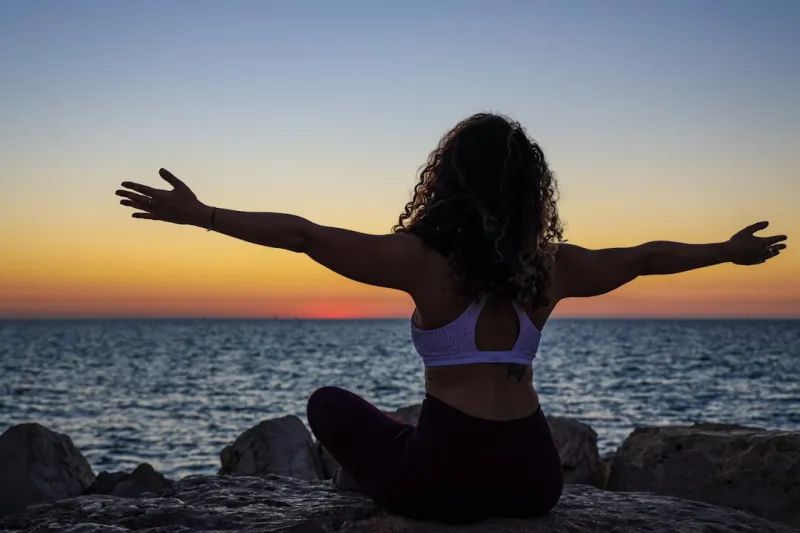
Holistic Health Hacks Every Woman Needs in 2024
Sarah Gray shares a comprehensive, holistic roadmap for women’s health in 2024, covering nutrition... Read More
Top Posts

Neural Timing Hacks for Stable Blood Sugar
Learn how aligning meal timing, micro‑stress management, and simple neural cues can stabilize glucose levels naturally, using data‑driven insights and pract...Read More
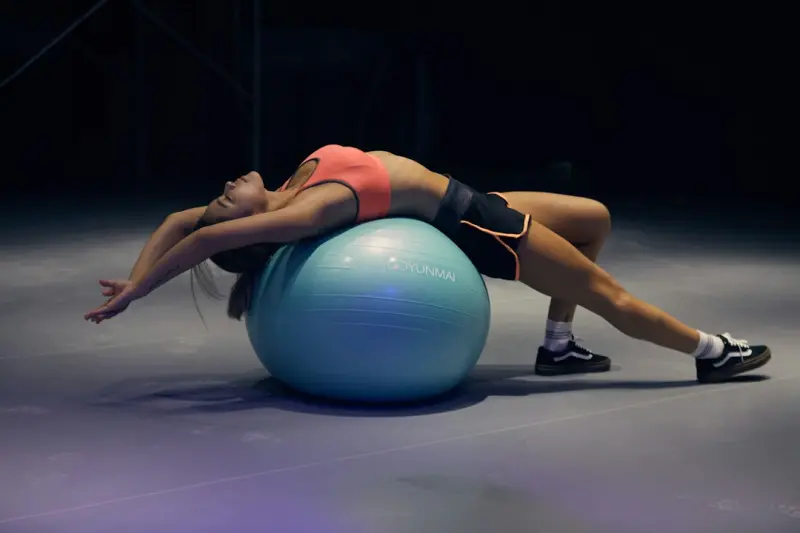
Micro‑Movements: Tiny Exercise Bursts Transform Your Day
Micro‑movements—brief, frequent bursts of activity—can dramatically improve energy, focus, and overall health. Learn practical ways to integrate them into...Read More
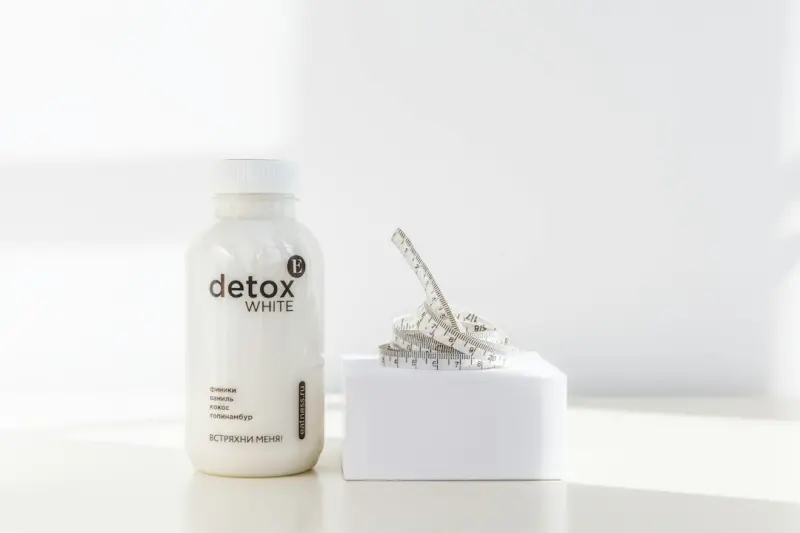
Rebooting Your System: A Holistic Body Detox Blueprint
A comprehensive, three‑week detox guide that blends lymphatic movement, skin sweating, gut‑friendly ferments, adaptogens, and grounding to help the body nat...Read More

Digital Boundaries: The Overlooked Longevity Lever
Discover why reducing screen time and creating tech‑free zones is a powerful, often missed strategy for a longer, healthier life....Read More
0 Comments
Post Comment
You will need to Login or Register to comment on this post!