
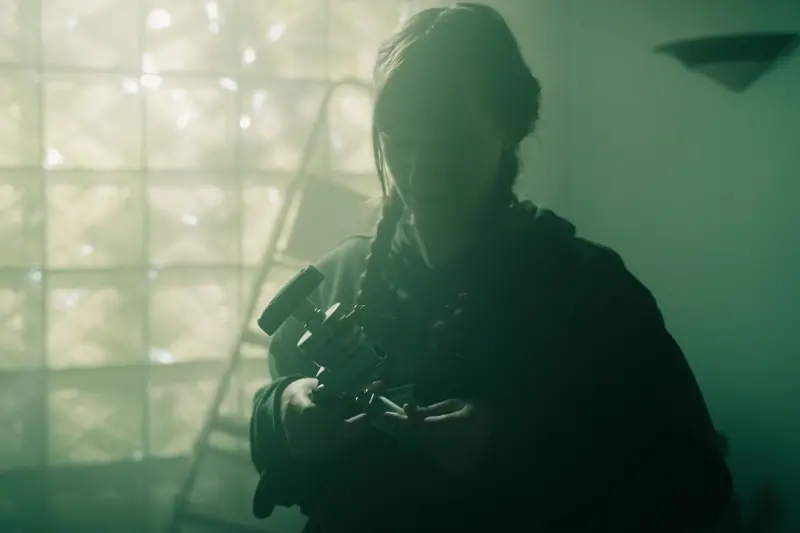
Unmasking the Quiet Culprits Behind Sleep Terrors
When the house finally goes dark and the world seems to exhale, many of us expect the night to be a sanctuary. For a growing number of people, however, the darkness is a stage for a different drama—sudden, intense episodes of fear that seize the body before consciousness fully awakens. These are sleep terrors, a phenomenon that sits at the intersection of neuroscience, environment, and cultural storytelling. While the classic image of a child sitting bolt‑upright, eyes wide, screaming in a half‑asleep state still dominates popular imagination, the reality for adults is far more complex and, frankly, far more modern.
The Ambient Landscape Has Changed
Decades ago, the primary trigger for night‑time fear might have been a creaking floorboard or an overactive imagination. Today, our bedrooms are saturated with a different kind of stimulus: ambient light pollution, relentless Wi‑Fi signals, and a constant stream of notifications that bleed into the subconscious. Researchers are beginning to map how connected devices affect the autonomic nervous system, and early findings suggest a startling correlation between low‑level blue‑light exposure and the frequency of terror‑induced awakenings.
Consider this: a typical evening might involve scrolling through a social feed, checking emails, and perhaps catching a late‑night episode of a thriller series. Even if the screen is turned off an hour before bed, the residual melatonin‑suppressing effect of that exposure can linger for hours, disrupting the delicate balance of the circadian rhythm. When the brain finally attempts to transition into deep sleep, the misaligned internal clock can misinterpret the signal, triggering a surge of adrenaline that manifests as a sleep terror.
Screen Light: Not Just a Visual Intruder
The impact of blue wavelengths on the suprachiasmatic nucleus (the brain’s master clock) is well documented. What’s less discussed is how this light exposure interacts with the limbic system, the brain region that processes emotions and fear. When the suprachiasmatic nucleus sends a “night” signal that is out of sync, the limbic system can misfire, interpreting the state as a threat. The result is an abrupt, visceral surge of terror that can leave a person feeling as though they’ve been attacked by an unseen force.
One practical approach is to re‑engineer the bedroom’s light environment. Simple steps—like using warm‑tinted bulbs, installing blackout curtains, and employing “night‑only” devices that emit no blue light—can recalibrate the brain’s perception of darkness. Moreover, emerging insomnia research suggests that a gradual dimming routine, where light intensity reduces by 10% each minute for the last half‑hour before sleep, can dramatically lower the incidence of nocturnal panic spikes.
Stress, Trauma, and the Limbic Echo Chamber
Stress isn’t just a daytime annoyance; it’s a potent neurochemical catalyst that primes the brain for heightened threat detection. Cortisol, the stress hormone, follows a diurnal pattern that should dip at night. In individuals who carry chronic stress—whether from work, personal relationships, or unresolved trauma—this dip is blunted. The resulting cortisol plateau can keep the amygdala (the fear hub) on high alert even during deep sleep phases.
Therapeutic strategies that target stress reduction can thus serve as indirect sleep‑terror mitigators. Mindfulness meditation, progressive muscle relaxation, and even brief micro‑breathing exercises before bed have shown promise in resetting the cortisol curve. For those who already experience daytime insomnia, integrating these practices can also alleviate the insomnia itself, creating a virtuous cycle where better sleep reduces terror frequency, and reduced terror improves overall sleep quality.
Cultural Myths: The Unseen Narrative Engine
Every culture weaves its own stories around night‑time fears. From the “night hag” folklore of Scandinavia to modern horror movies that glorify the “possession” trope, these narratives subtly program our subconscious. When a child grows up hearing stories of demons lurking in the dark, their brain can develop a pre‑wired script that activates during the vulnerable transition from REM to non‑REM sleep.
De‑programming these scripts isn’t about abandoning cultural heritage, but rather about recognizing the power they hold over our neural pathways. Cognitive‑behavioral techniques, such as journaling about night‑time fears and actively rewriting the storyline—turning the “monster” into a harmless “shadow” that simply passes by—have been effective. This method aligns with the broader concept of narrative re‑authoring, which has been applied successfully in weight‑loss and chronic illness management.
When Traditional Sleep Hygiene Isn’t Enough
Standard sleep‑hygiene advice—like maintaining a consistent bedtime, avoiding caffeine after noon, and keeping the bedroom cool—remains foundational. However, for many experiencing recurrent sleep terrors, these measures alone fail to address the underlying neuro‑physiological triggers.
Emerging interventions include:
- Targeted auditory stimulation: Soft, rhythmic sounds (e.g., ocean waves) played at a frequency that encourages theta‑wave activity can smooth the transition into deep sleep, reducing the likelihood of a terror surge.
- Weighted blankets: The gentle pressure mimics a therapeutic hug, lowering sympathetic nervous system activity.
- Chronotherapy: Systematically shifting bedtime by 15‑minute increments over several weeks to realign the internal clock with natural light cues.
These tools, when combined with the environmental adjustments discussed earlier, create a multi‑layered defense against the night’s unexpected onslaught.
Micro‑Rest as a Preventive Buffer
While it may sound counterintuitive, short, intentional naps—referred to as micro‑rest—can serve as a safety valve for accumulated stress. By allowing the brain to enter a light sleep state during the day, you reduce the overall pressure that builds up for a single, prolonged night‑time sleep episode. This concept parallels the approach detailed in Micro‑Rest Mastery, where brief rest periods are leveraged to boost cognitive performance.
For individuals prone to sleep terrors, a 20‑minute nap in the early afternoon—preferably in a darkened, quiet space—can lower the adrenaline surge that often spikes just before bedtime. The key is consistency: treat the nap as a scheduled ritual rather than an ad‑hoc escape.
Technology as Ally, Not Enemy
We’ve painted technology as a villain, but the same tools can be repurposed to protect sleep. Wearable sleep trackers now offer real‑time alerts when physiological markers (heart rate variability, sudden movement) indicate an impending terror episode. Some devices can automatically dim smart lights or play soothing sounds at the first sign of a spike, gently coaxing the sleeper back into a calmer state before full awakening occurs.
Additionally, mobile apps that deliver guided imagery—crafted specifically to counteract fear imagery—can be programmed to start automatically at a set bedtime. By pre‑loading the mind with calm, the brain is less likely to default to a terror script.
Building a Personal Night‑Time Playbook
Every individual’s triggers are unique, but a systematic approach can help uncover them. Below is a template you can adapt:
- Day‑time journal: Record stressors, screen time, and caffeine intake for a week.
- Evening audit: Note the last screen interaction, type of lighting, and any emotional conversations.
- Trigger mapping: Correlate recorded data with nights you recall a terror event.
- Intervention trial: Choose one variable (e.g., blue‑light filter) and test it for five nights.
- Review & iterate: Adjust based on observed changes, adding layers (e.g., weighted blanket, micro‑rest) as needed.
Remember, the goal isn’t to eliminate all fear—that would be an unrealistic expectation—but to create a night environment where terror episodes become rare, manageable, and, most importantly, no longer a source of chronic anxiety.
Looking Ahead: The Future of Sleep Terror Research
The scientific community is only beginning to untangle the web of factors that give rise to sleep terrors. Ongoing studies into the gut‑brain axis suggest that microbiome composition may influence the brain’s stress response during sleep. While the current literature is nascent, it opens an exciting frontier where diet, probiotics, and even seasonal food choices could become part of a comprehensive sleep‑terror mitigation strategy.
In the meantime, armed with a deeper understanding of how light, stress, culture, and technology intersect, you can take proactive steps to reclaim the night. The darkness doesn’t have to be a battleground—let it become a canvas for calm, guided by evidence‑based practices and a willingness to experiment with the tools at your disposal.

Related Posts

When Nightmares Turn Real: A High‑Performer's Guide to Taming Sleep Terrors
Sleep terrors can sabotage even the most disciplined professionals. This guide explains the science ... Read More

Decoding Sleep Terrors: A Holistic Path to Nighttime Calm
Sleep terrors are more than scary episodes; they’re signals from an overactive nervous system. Thi... Read More
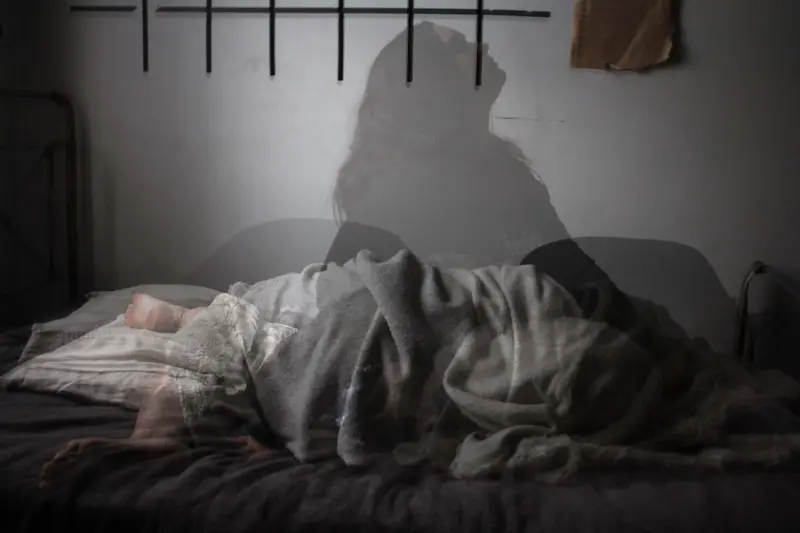
When Nightmares Take the Stage: Turning Sleep Terrors into Creative Fuel
Sleep terrors, often dismissed as mere nightmares, reveal a hidden surge of energy that can be redir... Read More
Top Posts

Gut Microbial Mastery: Harnessing Your Inner Ecosystem for Peak Performance
A deep dive into actionable ways to nurture your gut microbiome, improve resilience, and unlock higher performance at work and in life....Read More

Stacking Small Wins to Outsmart Prediabetes
Learn how tiny, purposeful habit stacks—from coffee tweaks to five‑minute walks—can quietly shift blood sugar levels, turning prediabetes into a manageabl...Read More

The Unseen Conversation: How Your Gut Shapes Everyday Performance
Explore the profound impact of gut health on mood, focus, and immunity, with actionable tips on diet, community meals, environment, and personalized strategies ...Read More
Rewiring the Night: Subtle Shifts to Recover Sleep Debt
A practical guide to repaying sleep debt using micro‑adjustments in light, nutrition, and bedtime habits, offering a gentle path to better rest without drasti...Read More
0 Comments
Post Comment
You will need to Login or Register to comment on this post!