

Colorful Plates: How Food Hue Shapes Your Energy and Mood
When I was a kid, my mom used to say, “Eat the rainbow.” At the time, I thought it was just a cute way to get me to finish my veggies. Decades later, as a nutrition enthusiast and lifelong foodie, I’ve learned that there’s a science to that advice—one that goes far beyond “more vegetables.” The colors on your plate can literally influence how you feel, think, and move throughout the day.
In this post, I’m pulling back the curtain on the chromatic side of nutrition. We’ll explore how pigments, phytochemicals, and the visual appeal of food interact with our bodies and brains. You’ll walk away with practical, color‑focused strategies that make meals both beautiful and powerfully nourishing.
The Science Behind Food Colors
Every hue you see in fruits, vegetables, grains, and even spices is the result of specific plant compounds. These compounds aren’t just decorative; they serve protective roles for the plant and, when we consume them, they confer health benefits for us.
- Carotenoids (orange, yellow, red) – Think carrots, sweet potatoes, bell peppers, and apricots. Carotenoids such as beta‑carotene, lutein, and lycopene act as antioxidants and support vision, skin health, and immune function.
- Anthocyanins (deep blues, purples, reds) – Berries, red cabbage, eggplant, and black rice get their rich colors from anthocyanins, which have been linked to improved cognitive function and reduced inflammation.
- Chlorophyll (green) – Leafy greens like kale, spinach, and broccoli contain chlorophyll, a molecule that helps with detoxification and oxygen transport.
- Flavonoids (various shades) – Citrus fruits, onions, and teas contain flavonoids that support cardiovascular health and can stabilize mood.
When you combine foods of different colors, you’re essentially creating a micronutrient cocktail. Each pigment brings its own set of antioxidants, vitamins, and phytonutrients, which can work synergistically to protect cells, boost metabolism, and modulate neurotransmitters.
Why Color Matters for Energy Levels
Ever notice how a bowl of bright, vibrant salad can feel more invigorating than a plate of bland, monotone carbs? That’s not just perception; it’s biochemistry.
Carotenoids help stabilize blood sugar by enhancing insulin sensitivity. When you pair a sweet potato (rich in beta‑carotene) with a protein source, the glucose from the carb is released more slowly, preventing the dreaded post‑lunch crash.
Anthocyanins improve mitochondrial efficiency. A study on blueberry consumption showed better ATP production (the cell’s energy currency), translating into sharper mental focus during demanding tasks.
Chlorophyll supports oxygen transport and detox pathways, meaning you can feel lighter and more alert after a green‑rich meal.
Color and Mood: The Emotional Palette of Food
Our brains are wired to respond to color. Think of how a sunny yellow can lift spirits, while a deep blue can calm. The same principles apply when we eat. Certain pigments can influence neurotransmitter synthesis:
- Red & orange foods (rich in beta‑carotene) can boost serotonin production, contributing to a brighter mood.
- Purple & blue foods (rich in anthocyanins) have been shown to reduce cortisol, the stress hormone, promoting a more relaxed state.
- Green foods contain folate, a B‑vitamin essential for dopamine synthesis, which can enhance motivation and pleasure.
When you consciously incorporate a spectrum of colors into meals, you’re essentially giving your brain a “mood‑boosting palette” to work with.
Building a Colorful Meal Plan: A Step‑by‑Step Guide
Below is a practical framework you can apply to any day of the week. The goal is to hit at least five distinct colors across your breakfast, lunch, dinner, and snacks.
- Start with a color chart. Write down the main pigments you want to include: red, orange, yellow, green, blue/purple, and white/brown (for whole grains and nuts).
- Choose a base protein. This can be beans, lentils, tofu, fish, poultry, or lean meat. The protein will anchor the meal and provide amino acids for neurotransmitter creation.
- Add a “color splash” vegetable. For breakfast, think about a handful of berries (purple) in Greek yogurt or a smoothie with spinach (green) and mango (yellow).
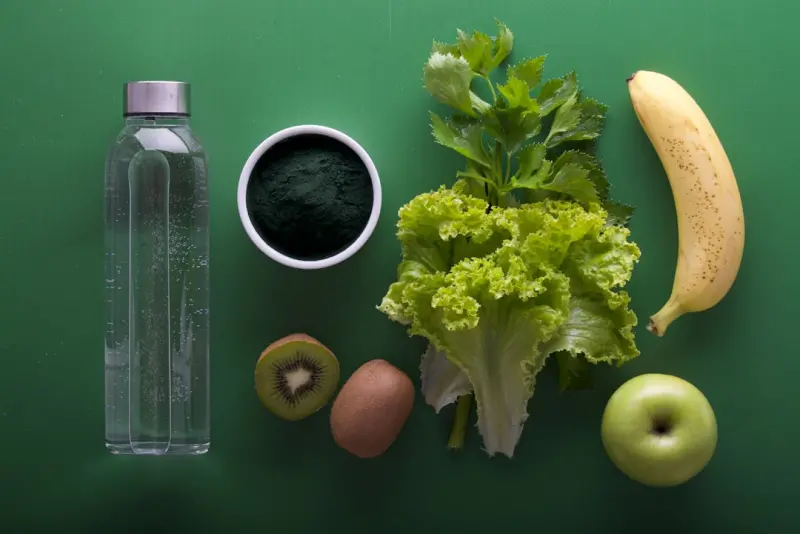
- Incorporate a “cooking spice” that adds hue. Turmeric (golden), beet powder (deep red), or spirulina (bright blue‑green) can turn a plain dish into a visual masterpiece.
- Finish with a wholesome grain or nut. Quinoa (off‑white), brown rice, or a sprinkle of pumpkin seeds adds texture and completes the nutritional profile.
Here’s a quick example for a full day:
- Breakfast: Overnight oats with almond milk, topped with fresh strawberries (red), kiwi slices (green), and a drizzle of honey (golden).
- Snack: A small bowl of mixed berries (blue/purple) and a few almonds.
- Lunch: Quinoa salad with roasted sweet potato cubes (orange), shredded red cabbage (purple), cherry tomatoes (red), and a lemon‑tahini dressing (creamy white). Add grilled salmon for omega‑3s.
- Afternoon pick‑me‑up: Carrot sticks (orange) with hummus sprinkled with paprika (red).
- Dinner: Stir‑fried bok choy (green) and bell peppers (yellow & red) with tofu, served over brown rice (brown) and garnished with sesame seeds (white).
Seasonal Strategies: Aligning Color with Nature’s Calendar
Seasonality is a secret weapon for vibrant nutrition. When you eat what’s in season, you naturally get a broader spectrum of pigments because each season brings its own “color heroes.”
Spring offers tender greens (asparagus, peas) and soft pinks (radishes). Summer bursts with reds (tomatoes, watermelon) and deep blues (blackberries). Fall introduces oranges (pumpkin, butternut squash) and earthy browns (mushrooms). Winter brings citrus (oranges, grapefruits) and deep purples (red cabbage).
By rotating your grocery list with the seasons, you’ll keep meals interesting, support local agriculture, and reduce your carbon footprint—a win‑win for health and the planet.
Mindful Eating: The Visual Connection
Our senses don’t stop at taste. The visual experience of a dish can prime digestion. When you see a colorful plate, your brain anticipates a variety of flavors and nutrients, triggering the release of saliva and digestive enzymes.
Take a moment before you dig in: notice the contrast of colors, the arrangement, and the vibrancy. This simple pause not only enhances satisfaction but also improves nutrient absorption—your body is primed to “receive” the goodness you’re about to consume.
Integrating Colorful Nutrition into a Busy Lifestyle
For many professionals, the biggest barrier to eating well is time. Here are three shortcuts that keep your plate bright without demanding hours in the kitchen:
- Prep in batches. Wash, chop, and portion a rainbow of veggies at the start of the week. Store them in clear containers so the colors stay visible and inviting.
- Frozen is your friend. High‑quality frozen berries, peas, and spinach retain most of their phytonutrients and color. Keep a bag in the freezer for smoothies or quick sautés.
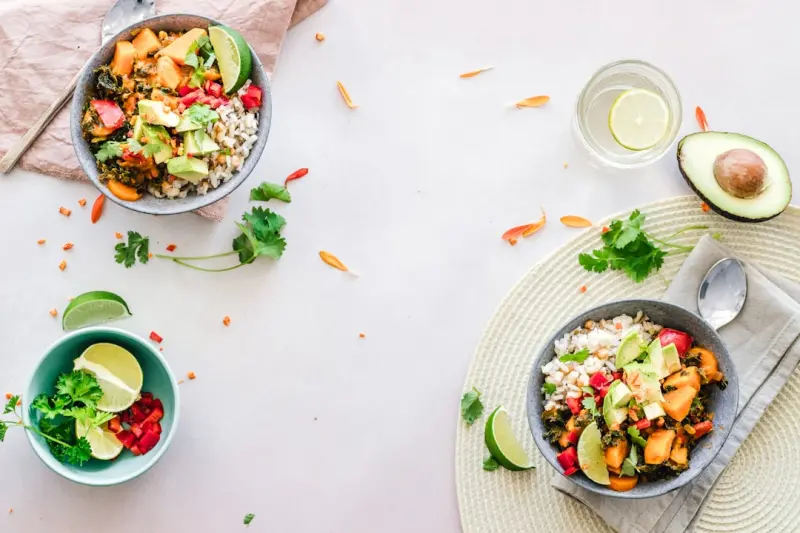
- One‑pot wonders. Recipes like colorful quinoa bowls, rainbow curries, or vegetable‑packed fried rice can be assembled in 20‑minutes, delivering a spectrum of nutrients in a single dish.
Linking the Bigger Picture: Community and Gut Health
While we’re focusing on color, it’s worth noting that a diverse, colorful diet also supports a diverse gut microbiome. For deeper insight on nurturing your gut, check out Microbial Mixology. The synergy between pigments and gut bacteria can amplify the mood‑boosting effects we’ve discussed.
Moreover, if you’re looking to complement your colorful eating plan with lifestyle habits that lower blood pressure, the community blood pressure tips article offers practical, collective strategies that dovetail nicely with a nutrient‑rich diet.
Beyond the Plate: Color in Your Environment
Did you know the colors you surround yourself with can affect your appetite? A bright kitchen encourages the consumption of fresh produce, while muted tones might make you gravitate toward comfort foods. Consider adding a splash of green (a potted herb) or a colorful fruit bowl on the countertop as a visual cue to reach for nutritious options.
Common Myths About Colorful Eating
Myth 1: “I need exotic superfoods to get the colors.” Not true. Many everyday staples—carrots, apples, peas, blueberries—provide a full spectrum of pigments.
Myth 2: “More color always means more nutrients.” While color is a helpful proxy, it’s not the sole indicator. For instance, a deep‑purple eggplant is colorful but lower in certain vitamins compared to a bright orange carrot. Pair color with knowledge about specific nutrient content for the best results.
Myth 3: “I have to eat a different color at every meal.” Balance is key. Aim for variety across the day rather than forcing every meal to be a rainbow.
Putting It All Together: Your Personal Color Code
Take a moment to reflect on your current eating patterns. Which colors dominate? Which are missing? Create a simple “color checklist” for the week and challenge yourself to fill in the gaps.
Here’s a printable template you can adapt:
- Red: _______ (e.g., tomatoes, strawberries)
- Orange: _______ (e.g., carrots, sweet potatoes)
- Yellow: _______ (e.g., corn, bell peppers)
- Green: _______ (e.g., kale, broccoli)
- Blue/Purple: _______ (e.g., blueberries, eggplant)
- White/Brown (whole grains, nuts): _______
Mark each time you add a new color to a meal. Celebrate the progress—your brain and body will thank you with steadier energy, a brighter mood, and long‑term health benefits.
Final Thoughts: Let Your Plate Be Your Canvas
Nutrition isn’t just about counting calories or macronutrients; it’s also an art form. When you treat food as a palette, you invite creativity, pleasure, and scientific advantage into every bite. The next time you sit down to eat, ask yourself: “What colors am I inviting to the party?” Then, fill that plate with the brightest, most diverse hues you can find. Your energy, focus, and mood will reflect the brilliance you serve yourself.

Brandy Miller is a dynamic freelance writer based in the vibrant city of Cambridge, Ontario. With a passion for storytelling that knows no bounds, she crafts compelling narratives that captivate and inspire. Brandy’s love for writing shines through in her versatile work, whether she’s penning thought-provoking articles or engaging content that resonates with readers. Her unique perspective and friendly tone make her a sought-after voice in the writing community. When she’s not weaving words together, you can find her exploring the beautiful landscapes of Ontario, always seeking new adventures and inspiration for her next piece. Brandy is not just a writer; she’s a creative force, making her mark one word at a time.
Related Posts
Seasonal Nutrition: Aligning Your Plate with Nature’s Rhythm
Learn how eating with the seasons can enhance energy, mood, and gut health while supporting the envi... Read More

Align Your Meals with Your Body Clock for Peak Health
Learn why when you eat matters more than what you eat, and get actionable strategies to align meals ... Read More
Fueling Creative Flow: Nutrition Strategies for the Modern Knowledge Worker
Explore a performance‑oriented nutrition framework—balanced macros, timed fuel, brain‑food sta... Read More
Top Posts

The Ultimate Body Detox Blueprint: Cleanse, Reset, Thrive
A personal, step‑by‑step detox guide that blends hydration, gut health, liver support, mindful movement, and sleep to reset your body and sustain vibrant he...Read More

When Ambition Feeds the Beast: Eating Disorders in High‑Pressure Workplaces
A deep dive into how relentless workplace pressure fuels eating disorders, with practical steps for leaders to foster supportive, balanced, and sustainable work...Read More

The Clockwork Diet: Timing Your Meals to Master Blood Sugar
Learn how to harness your body’s circadian rhythm to manage blood sugar more effectively. This guide offers actionable timing strategies, tech tips, and gutâ€...Read More

Sweat, Light, and Breath: A Science‑Based Blueprint for Whole‑Body Detox
Infrared saunas, specific light wavelengths, and deep diaphragmatic breathing work together to activate circulation, lymph flow, and cellular cleanup, offering ...Read More
0 Comments
Post Comment
You will need to Login or Register to comment on this post!