
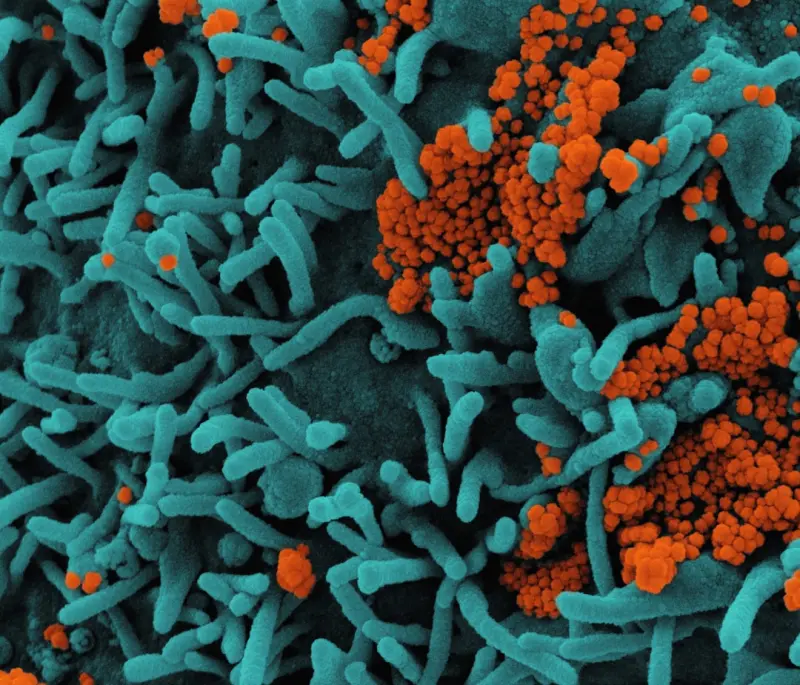
When I first heard the phrase “microbial mixology,” I laughed. I’d spent years mixing coffee, sprinting through meetings, and juggling a side hustle, never once thinking my gut was a bar. Yet the truth is that our internal ecosystem operates like a bustling cocktail lounge—flavors, textures, and vibes collide, and the result determines whether we feel vibrant or stuck. In a world where screens glare, deadlines hover, and the line between work and home blurs, nurturing that invisible barista inside us is more crucial than ever.
Why Your Gut Deserves a Cocktail Approach
The gut isn’t just a tube that digests pizza; it’s a dynamic community of trillions of microbes that converse with every organ, mood, and decision you make. Think of each microbial strain as a distinct spirit—some are bold, some smooth, some a little bitter. When you combine them thoughtfully, you craft a balanced experience. When you ignore them, you end up with a muddled, over‑spiced mess that leaves you feeling bloated, foggy, or irritable.
Unlike a static diet plan that tells you to “eat this” or “avoid that,” a cocktail mindset invites experimentation. It encourages you to pair foods, habits, and environments in ways that amplify beneficial microbes while gently nudging the less‑friendly ones to the back of the bar.
The Power of Food Pairing: Pre‑biotics Meet Pro‑biotics
Pre‑biotics are the fiber‑rich “mixers” that feed the good bacteria. Pro‑biotics are the “spirits” that bring the party. When you serve them together, you create a symbiotic fizz that fuels a thriving gut.
- Root veggies + fermented sauerkraut: The inulin in carrots, beets, and onions fuels Lactobacillus from the sauerkraut, turning a simple side into a gut‑boosting powerhouse.
- Banana + kefir smoothie: Resistant starch from ripe bananas feeds Bifidobacteria while kefir supplies live cultures—perfect for a morning “gut‑wake‑up.”
- Oats + chia seeds + miso broth: This combo merges soluble fiber with a salty umami probiotic, balancing blood sugar and supporting gut lining integrity.
When you start thinking of your meals as intentional pairings, you’ll notice how the flavors complement each other and, more importantly, how your digestion feels smoother, your energy steadier, and your mind clearer.
Stress, Screens, and the Gut: The Invisible Feedback Loop
We’ve all felt the gut‑brain axis in action: a stressful email, a knot in the stomach, a quick snack, a fleeting calm. Chronic screen time spikes cortisol, which can alter gut permeability—sometimes called “leaky gut.” This, in turn, sends inflammatory signals back to the brain, worsening stress tolerance.
Breaking the loop doesn’t require a digital detox (though that helps). Small, consistent practices can recalibrate the axis:
- Micro‑breathing pauses: Every hour, close the laptop, inhale for four counts, hold for four, exhale for six. This simple rhythm drops cortisol within minutes, giving microbes a chance to thrive.
- Blue‑light filters after sunset: Reducing melatonin disruption supports the nightly surge of Akkermansia, a bacteria linked to better metabolic health.
- Screen‑free meals: Eating mindfully without scrolling lets the vagus nerve signal “digest” more efficiently, reducing the chance of dysbiosis.
Movement Matters: How Micro‑Movements Influence Microbes
When we think of exercise for gut health, we picture yoga or long runs. Yet the reality is that even tiny motions—standing up, stretching, walking to the kitchen—send mechanical signals to the intestines, stimulating peristalsis and promoting a balanced microbial environment.
Consider integrating “micro‑movement breaks” into your day:
- Stand and stretch for 30 seconds after every 45 minutes of sitting.
- Do a quick “desk squat” set of five reps before lunch.
- Take a 2‑minute walk around the office or home before any major meeting.
These brief bursts keep the gut muscles active, reduce bloating, and encourage the growth of bacteria that thrive on regular motility patterns.
Microbial Mixology: DIY Fermented Drinks (Without Re‑inventing the Wheel)
Fermentation is the ultimate “mixology” technique—transforming simple sugars into probiotic‑rich elixirs. While many have already explored sauerkraut and kimchi, you can broaden the palate with drinks that fit a busy schedule. For a quick starter, try a ginger‑lemongrass kombucha or a water kefir infused with fresh berries.
Want a step‑by‑step guide? Check out our Fermentation at Home article for the basics. Once you’re comfortable, experiment:
- Flavor hack: Add a pinch of sea salt and a splash of apple cider vinegar to boost electrolyte balance and support the growth of Lactobacillus plantarum.
- Timing trick: Ferment at room temperature for 24‑48 hours, then refrigerate. This short, controlled period keeps the drink mildly effervescent without becoming overly acidic.
- Serving suggestion: Pair with a handful of almonds or a slice of whole‑grain toast to provide pre‑biotic fibers that feed the probiotics you just introduced.
These drinks don’t just taste great—they serve as daily micro‑shots of beneficial bacteria, helping to maintain a resilient gut ecosystem even on the most hectic days.
Cold Exposure’s Secret Role in Gut Resilience
You might wonder what an ice bath has to do with your microbiome. The answer lies in the body’s stress response. Controlled cold exposure triggers a hormetic reaction—essentially “stress‑training” the cells. This response improves the integrity of the gut lining, making it harder for harmful pathogens to slip through.
For those curious about the science, our Cold Exposure Therapy post dives deep into how the practice can boost immunity and even modulate gut‑associated lymphoid tissue (GALT). If you’re new to cold exposure, start small: a 30‑second cold shower at the end of your regular shower, gradually building up to a minute.
Community & Gut: Shared Meals, Shared Microbiomes
Human beings evolved as social eaters. Sharing meals isn’t just a cultural ritual; it’s a microbial exchange. When you dine with friends or family, you also swap tiny bits of each other’s microbiome, which can increase diversity—a key marker of gut health.
Modern life, however, often isolates us behind screens. To counteract this, consider these community‑focused gut strategies:
- Potluck probiotic parties: Invite friends to bring a fermented dish—kimchi, miso soup, or yogurt parfait. Everyone leaves with a gut‑friendly treat and a conversation starter.
- Neighborhood garden swaps: Grow pre‑biotic veggies like onions, garlic, and chicory, then trade harvests. Fresh, local produce fuels beneficial bacteria and fosters neighborhood bonds.
- Virtual cooking classes: If distance is a barrier, host a Zoom session where participants prepare the same fermented drink together, sharing tips and laughter in real time.
Tech Tools for Tracking Your Gut
We love data, and your gut is a gold mine of measurable insights. While you don’t need a lab, several consumer‑friendly tools can help you gauge progress:
- Stool color charts: Apps let you log stool consistency (the Bristol Stool Scale) and color, giving clues about fiber intake and microbial balance.
- Wearable digestion trackers: New devices measure abdominal temperature and movement, offering feedback on digestion speed after meals.
- Food‑microbe journals: Simply note what you ate and any digestive symptoms. Over weeks, patterns emerge, highlighting foods that boost or bust your gut.
Remember, the goal isn’t perfection but awareness. Small adjustments, guided by data, can lead to big wins over time.
Actionable “Microbial Mixology” Checklist
To turn these ideas into habit, grab a pen (or open a notes app) and commit to the following for the next 30 days:
- Swap one processed snack daily for a pre‑biotic‑rich alternative (e.g., apple slices with almond butter).
- Introduce a probiotic beverage—whether store‑bought kefir or a homemade kombucha—at least three times a week.
- Schedule two 5‑minute micro‑movement breaks per workday.
- Practice a 30‑second breathing pause every hour you’re in front of a screen.
- Plan one communal meal or virtual cooking session each week.
- Try a brief cold exposure (30‑second shower) after a workout, three times a week.
- Log your meals, mood, and stool consistency to spot trends.
By the end of the month, you’ll likely notice steadier energy, fewer midday crashes, and a calmer mind—proof that a well‑crafted gut cocktail can power the whole you.
Closing Thoughts: Your Gut, Your Signature Drink
Just as a skilled mixologist knows the perfect balance of sweet, sour, bitter, and spirit, you can learn the art of balancing microbes, foods, movement, and environment. Your gut isn’t a static organ; it’s a living, breathing partner in every decision you make. Treat it with the same curiosity and care you give your favorite hobby, and watch how it transforms your health, mood, and productivity.
So raise a glass—whether it’s a sparkling kombucha or a simple glass of water infused with lemon—and toast to the invisible bar that works tirelessly behind the scenes. Here’s to a gut that’s not just healthy, but downright delicious.

Nikki McDonald is a freelancer based in Waterloo. She brings her skills and expertise to various projects, balancing her professional work with a personal life that includes her husband, Stewart.
Related Posts

Engineering Your Gut for Unstoppable Focus
A deep dive into how optimizing your gut microbiome can become a strategic performance tool, with ac... Read More
Gut Health Revolution: How I Turned My Digestive Struggles into a Wellness Blueprint
Brandy Miller shares her transformative gut‑health journey, revealing how diet, stress management,... Read More
Gut Health Mastery: A Holistic Blueprint for Everyday Vitality
Unlock the secrets of a thriving gut with practical, holistic tactics—from fermented foods to stre... Read More
Top Posts

The Gig‑Economy Guide to Mastering Your Health Insurance
Navigating health insurance as a freelancer can feel overwhelming, but with a clear roadmap—covering marketplace plans, HSAs, mental‑health coverage, and pr...Read More
Microbiome Mastery: How Your Gut Holds the Key to Longevity
A deep dive into how the gut microbiome influences aging, with practical dietary, lifestyle, and stress‑management strategies to boost microbial diversity and...Read More
The Hidden Power of Your Digestive Ecosystem for Executive Edge
A balanced gut microbiome drives short‑chain fatty acids that enhance focus, mood, and stress resistance, giving leaders a measurable edge in demanding enviro...Read More

Beyond the Mirror: Rethinking Eating Disorders in the Digital Age
A deep dive into how digital metrics, social narratives, and workplace pressures fuel eating disorders, offering practical strategies and a call for compassiona...Read More
0 Comments
Post Comment
You will need to Login or Register to comment on this post!