
When I first stepped into the bustling community garden at my local senior center, I was struck not by the rows of rosemary or the scent of fresh soil, but by the laughter spilling from a circle of teenagers and retirees swapping stories about their childhoods. That moment crystallized a simple truth I’ve been championing for years: health in later life thrives on connection, not isolation. In a world that often equates aging with decline, the reality is far richer—our elders are reservoirs of experience, wisdom, and resilience, and when we create intentional bridges between generations, we unlock a potent cocktail of physical, mental, and emotional benefits.
Why Connection Matters More Than Ever
Loneliness is no longer a quaint notion reserved for poets; it’s a public‑health crisis that shortens life expectancy, raises the risk of cardiovascular disease, and accelerates cognitive decline. Studies show that seniors who engage regularly with peers—especially those from different age groups—report lower stress levels, better sleep, and a more robust immune response. The underlying mechanism is straightforward: social interaction stimulates the release of oxytocin and endorphins, hormones that act as natural anti‑inflammatories and mood stabilizers. In contrast, prolonged solitude can elevate cortisol, the stress hormone that erodes muscle mass and impairs memory.
The Science of Shared Experiences
Human brains are wired for social learning. Mirror neurons fire not only when we perform an action but also when we observe another person doing it. This mirroring effect means that when seniors watch younger people engage in physical activity, they are more likely to feel motivated to move themselves. Likewise, storytelling—a timeless practice that predates written language—activates multiple brain regions simultaneously, reinforcing neural pathways associated with language, memory, and emotion. By weaving intergenerational narratives into daily routines, we create a neuro‑protective environment that helps preserve cognitive agility.
Designing Intergenerational Spaces That Invite Interaction
Physical design plays a pivotal role in fostering meaningful encounters. Open‑plan lounges with flexible seating, low‑height tables, and easy‑access pathways invite both wheel‑chair users and teenagers to gather without feeling constrained. Outdoor gardens, art studios, and maker labs become natural convergence points where age is secondary to curiosity. When planning such spaces, consider:
- Visibility: Glass walls or wide windows allow passersby to see activity inside, sparking spontaneous participation.
- Acoustic Comfort: Soft background music or gentle water features reduce auditory strain, making conversations easier for those with hearing challenges.
- Safety: Non‑slip flooring, rounded corners, and ample lighting ensure that movement feels secure for all participants.
These design elements transform a building from a static service hub into a vibrant community canvas.
Storytelling as Cognitive Exercise
One of my favorite intergenerational programs pairs seniors with high‑school students for a weekly “Memory Café.” Participants bring a treasured photograph or an heirloom, and together they craft a narrative that blends personal history with contemporary perspectives. This exercise does more than entertain—it challenges the brain to retrieve episodic memories, practice descriptive language, and engage in perspective‑taking. The act of co‑creating stories also strengthens emotional bonds, which in turn reinforces the physiological benefits of oxytocin release.
Shared Meals and Nutrition
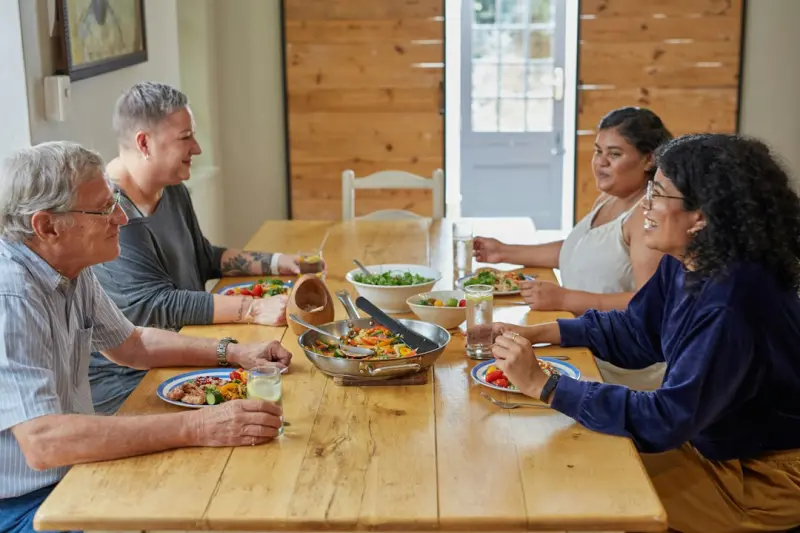
Food is a universal connector, and when seniors and younger folks sit down together, the exchange goes beyond calories. Joint cooking sessions expose older adults to new flavors and cooking techniques, while younger participants learn the value of nutrient‑dense meals. For instance, introducing smart cooking for seniors can amplify the nutritional payoff of traditional dishes without sacrificing taste. By incorporating colorful vegetables, lean proteins, and whole grains, meals become a platform for conversation about health, culture, and memory—topics that naturally flow across generations.
Movement Together: From Gentle Walks to Low‑Impact Classes
Physical activity is a cornerstone of senior wellness, yet many older adults shy away from gyms due to intimidation or mobility concerns. Intergenerational exercise programs—such as “Walk & Talk” sessions or low‑impact dance classes—reframe movement as a social event rather than a solitary chore. When teenagers lead a gentle tai chi routine, seniors gain confidence from the supportive presence of a younger partner, while teens benefit from improved balance and patience. The shared rhythm creates a feedback loop of encouragement, making adherence to regular activity more likely for both groups.
Technology Bridging the Generational Gap
Digital tools can amplify intergenerational connections without replacing the human touch. Simple platforms like video‑chat apps allow remote families to join live storytelling circles, while interactive health apps enable seniors to track steps, hydration, and mood alongside their younger mentors. When seniors explore these technologies with patient guidance, they not only acquire valuable digital literacy but also gain a sense of agency over their health data. For those interested in deeper physiological insights, gut health insights can be shared through collaborative monitoring, turning data into a shared goal rather than an isolated metric.
Practical Steps for Building Intergenerational Communities
Community leaders looking to launch or expand intergenerational initiatives can follow a straightforward roadmap:
- Identify Stakeholders: Reach out to local schools, senior centers, faith groups, and health providers to gauge interest.
- Start Small: Pilot a monthly story‑exchange or garden planting day before scaling up to weekly programs.
- Provide Training: Equip volunteers with facilitation skills, cultural sensitivity, and basic safety protocols.
- Measure Impact: Track attendance, mood surveys, and simple health metrics (e.g., blood pressure, step counts) to demonstrate value.
- Celebrate Success: Highlight participant achievements through newsletters, local media, or community exhibitions.
Each step reinforces the notion that health is not just an individual journey but a shared adventure.
Measuring Impact: From Anecdotes to Evidence
While heartfelt stories are compelling, robust evaluation helps sustain funding and community buy‑in. Simple tools such as the UCLA Loneliness Scale or the WHO‑Five Well‑Being Index can quantify changes in emotional health. Physical outcomes—like improved gait speed or reduced fall incidents—provide tangible proof of benefit. Importantly, tracking participation rates across age groups offers insight into how well the program balances the needs of both seniors and younger members.
Conclusion: A Call to Reimagine Aging
Age should be seen as a chapter, not a conclusion. By weaving together the threads of shared space, narrative, nourishment, movement, and technology, we create a tapestry where seniors thrive alongside the next generation. The ripple effects extend far beyond individual health; they nurture empathy, preserve cultural heritage, and foster a society that values every stage of life. As we look to the future, let’s champion intergenerational community not as a nice‑to‑have perk, but as an essential prescription for vibrant senior health.

Related Posts
How Community Gardening Fuels Senior Vitality
Community gardening offers seniors a low‑impact workout, fresh nutrition, and vital social interac... Read More

The Unexpected Wellness Power of Digital Storytelling for Seniors
Digital storytelling blends memory recall, gentle motor activity, and social interaction, offering s... Read More
Designing the Senior Home for Safety, Comfort, and Cognitive Vitality
Explore how thoughtful lighting, flooring, sound, scent, and personalized touches can transform seni... Read More
Top Posts
Why Teaching Tech to Teens Is the Best Brain Workout for Seniors
A senior shares how teaching technology to teens provides cognitive stimulation, emotional fulfillment, and social connection, offering a simple yet powerful he...Read More

Cultivating Cognitive Gardens: How Green Spaces Sharpen Your Brain
Explore the science behind nature's impact on the brain, learn practical ways to bring green habits into daily life, and see how gardening can improve memory, f...Read More

When Stories Heal: The Unexpected Role of Narrative in Cancer Recovery
Discover the transformative power of narrative medicine in cancer care—learn practical storytelling habits, community benefits, and how sharing your story can...Read More

AI Friends: Redefining Connection and Care for Seniors
Digital companions are transforming senior health by offering personalized conversation, medication reminders, and emotional support, bridging gaps in social co...Read More
0 Comments
Post Comment
You will need to Login or Register to comment on this post!