
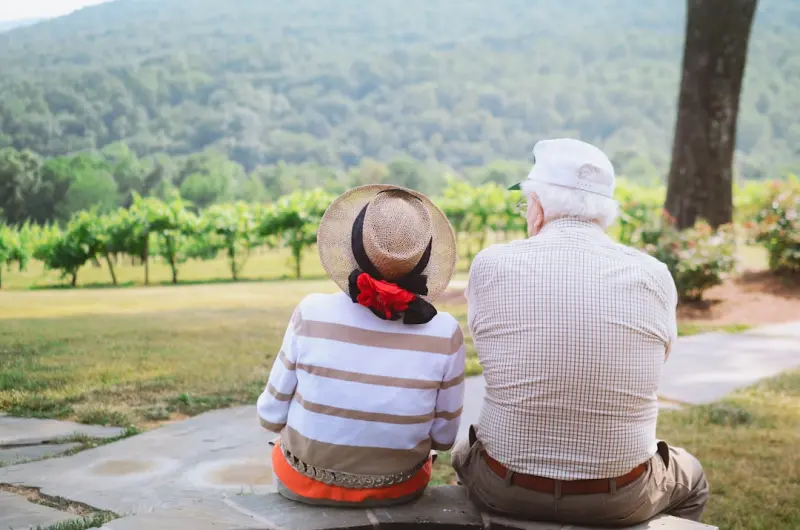
When I first stepped onto the community garden plot behind the senior center, the scent of fresh earth and basil hit me like a reminder that vitality isn’t just a medical prescription—it’s a lived experience. As a lifelong advocate for holistic health, I’ve watched countless seniors discover a renewed sense of purpose, strength, and connection through the simple act of planting. This isn’t a nostalgic hobby; it’s a science‑backed, socially enriching practice that can reshape the way we think about aging.
Why Soil Matters More Than You Think
There’s a growing body of research linking soil exposure to improved immune function and reduced inflammation. The microbes in healthy earth interact with our skin and gut, fostering a diverse microbiome that plays a crucial role in mental clarity and mood regulation. For seniors, whose immune systems naturally wane, this exposure can act as a gentle immunological boost.
Beyond the microbiome, the physical act of digging, planting, and weeding engages multiple muscle groups—from the forearms to the core—without the high impact of traditional exercise. This low‑impact resistance training helps maintain bone density, a key factor in preventing osteoporosis. The rhythmic nature of gardening also encourages deep, diaphragmatic breathing, which can lower blood pressure and improve cardiovascular health.
Social Roots: The Community Connection
Isolation is a silent epidemic among older adults. A garden plot becomes a natural gathering place where stories are swapped, laughter echoes, and intergenerational friendships blossom. According to the digital resilience movement, seniors who stay socially engaged—whether online or offline—show lower rates of cognitive decline. Gardening provides a physical space for that engagement, turning the act of planting into a conduit for conversation.
- Mentorship Moments: Retired professionals can share life lessons while learning new horticultural techniques from younger volunteers.
- Shared Harvests: A bounty of tomatoes or herbs becomes a reason to host potluck meals, reinforcing community bonds.
- Purposeful Routine: Regular garden chores create structure, which is essential for mental well‑being and can combat the aimlessness that sometimes creeps in during retirement.
Mindful Movement Meets Micro‑Tech
While gardening is inherently low‑tech, pairing it with wearable tech can amplify its health benefits. The micro‑movements and wearables guide demonstrates how subtle, tracked motions—like the gentle stretch of reaching for a raised trellis—can be logged to monitor heart rate variability and stress levels. Seniors can set gentle reminders to stand, stretch, or hydrate, turning a leisurely stroll among the rows into a data‑driven health session.
Imagine a simple smartwatch that nudges you to pause and inhale deeply after a vigorous bout of pruning, then logs that moment as a “mindful break.” Over weeks, patterns emerge, showing how regular garden activity correlates with lower systolic readings and improved sleep quality.
Designing a Senior‑Friendly Garden
Not every garden is created equal. To maximize accessibility and safety, consider the following design principles:
- Raised Beds: Position beds at waist height to reduce bending and protect the lower back.
- Non‑Slip Surfaces: Use textured paving or mulch that provides traction, especially during rainy seasons.
- Shade Structures: Install pergolas or shade sails to prevent overheating and protect against UV exposure.
- Tool Ergonomics: Opt for lightweight, padded handles on trowels and pruners to minimize hand strain.
- Clear Pathways: Ensure at least a 36‑inch wide path between beds for wheelchair or walker access.
By addressing these practical concerns, we remove barriers that might otherwise deter seniors from participating.
Nutrition From the Ground Up
The freshest produce often contains higher concentrations of vitamins, antioxidants, and phytonutrients than store‑bought equivalents. Growing your own kale, blueberries, or carrots means you’re consuming food at the peak of its nutritional value. For seniors, this translates to:
- Enhanced Vitamin D and Calcium: Leafy greens support bone health.
- Improved Digestive Health: Fiber‑rich vegetables aid regularity and gut microbiome diversity.
- Antioxidant Boost: Berries combat oxidative stress, a factor in age‑related cognitive decline.
Integrating a simple “garden‑to‑table” ritual—like harvesting a handful of herbs and adding them to a post‑workout smoothie—reinforces the connection between activity and nutrition.
Seasonal Rhythm and Cognitive Sharpness
Seasonal gardening aligns the body’s internal clock with nature’s cycles. Planting in spring, tending in summer, harvesting in fall, and reflecting in winter creates a predictable rhythm that can improve sleep patterns and cognitive function. This natural circadian syncing is especially beneficial for seniors who may experience disrupted sleep due to age‑related changes.
Moreover, planning which crops to sow, tracking growth stages, and troubleshooting pests engage problem‑solving skills, keeping the brain active and agile. Studies have shown that tasks requiring strategic planning and observation—like garden management—are linked to slower rates of memory loss.
Therapeutic Benefits of Green Spaces
Beyond physical health, green spaces have a profound impact on emotional well‑being. Exposure to natural light, the sound of rustling leaves, and the visual complexity of a thriving garden stimulate the brain’s reward pathways. This can reduce symptoms of depression and anxiety, which are common among older adults.
For seniors dealing with chronic pain, the meditative focus required to tend to plants can act as a form of distraction therapy, shifting attention away from discomfort and toward the present moment.
Getting Started: A Step‑by‑Step Guide
Ready to turn a patch of earth into a health‑boosting sanctuary? Follow these simple steps:
- Assess Your Space: Identify a sunny spot (at least 6 hours of direct sunlight) and measure the area you can dedicate.
- Gather Materials: Invest in raised beds, quality soil, compost, and ergonomic tools.
- Choose Senior‑Friendly Plants: Opt for low‑maintenance varieties like lettuce, herbs, strawberries, and dwarf tomatoes.
- Set Up a Schedule: Draft a weekly calendar that includes watering, weeding, and harvesting tasks—keep it realistic and enjoyable.
- Integrate Tech Wisely: Pair your garden with a simple wearable to monitor heart rate and steps, using the data to celebrate progress.
- Invite Community: Host a monthly “Garden Share” where participants bring a dish made from the harvest, fostering social ties.
Overcoming Common Challenges
Mobility Limitations: Use rolling carts to transport soil and tools, and incorporate garden stools with back support.
Weather Concerns: Install a small greenhouse or high tunnel to extend the growing season and protect against extreme temperatures.
Memory Hurdles: Create visual cue cards with plant names and care instructions, and use a garden journal to track progress.
Stories from the Soil
One of my favorite anecdotes comes from Margaret, an 82‑year‑old former schoolteacher. After joining the garden, she reported a 30% reduction in her blood pressure medication dosage within three months—thanks to a combination of gentle activity, fresh produce, and the calming effect of tending to roses. Margaret now leads a weekly “Garden Storytime,” where she reads poetry to the group while they water the beds, blending mental stimulation with physical movement.
Another inspiring tale is that of Carlos, a retired engineer who used his problem‑solving skills to design an innovative irrigation system using reclaimed rain barrels. His project not only conserved water but also sparked an intergenerational tech workshop, where teens taught seniors how to monitor soil moisture using smartphone apps.
The Bigger Picture: Green Health Policy
Local governments are beginning to recognize the health impact of community gardens. Grants are being allocated to create accessible green spaces, and healthcare providers are recommending “prescriptions” for gardening as part of wellness plans. When senior health initiatives incorporate nature‑based interventions, the ripple effect can reduce healthcare costs, lower hospital readmission rates, and improve overall community resilience.
Conclusion: Planting the Seeds of Longevity
Health in later life isn’t about a single pill or a fleeting diet trend—it’s about cultivating environments where the body, mind, and spirit can thrive together. Community gardening offers a tangible, joyful pathway to that holistic wellness. By digging into the earth, seniors discover not just fresh vegetables, but renewed purpose, stronger social networks, and measurable health gains.
If you’ve ever wondered how to blend low‑tech activity with high‑impact health outcomes, the garden might just be the answer. Grab a trowel, invite a neighbor, and watch both your plants and your vitality grow.

Tammy French is a Montessori Teaching Assistant and freelance writer passionate about education, creativity, and inspiring lifelong learning through engaging content.
Related Posts
Revitalizing Senior Minds: Hobbies, Community, and Nutrition for Cognitive Health
Explore fresh strategies for senior cognitive health—creative hobbies, community “prescriptions,... Read More
Thriving After 65: A Holistic Blueprint for Senior Wellness
A comprehensive guide for seniors that blends purpose‑driven community, low‑tech social tools, m... Read More

The Intersection of Aging and Chronic Health Conditions: A Holistic Approach to Senior Health
A holistic approach to senior health involves addressing physical, emotional, and social needs to ma... Read More
Top Posts

Beyond Detox: Science‑Backed Strategies to Strengthen Your Liver
Explore proven liver‑support tactics—from nutrient timing and gut health to herbal allies and sleep hygiene—offering a realistic roadmap that goes beyond ...Read More
Holistic Strategies for Vibrant Healthy Aging
A personal guide to aging vibrantly, blending nutrition, gentle fitness, restorative sleep, and mental resilience, all rooted in a holistic philosophy that lets...Read More

Beyond the Bump: Redefining Pregnancy Through Data‑Driven Self‑Care
A fresh look at pregnancy that blends wearable technology, real‑time nutrition tracking, and community insights, showing how data can enhance comfort, confide...Read More

Micro‑Habits to Master Blood Sugar Without Relying on Diet Trends
Learn how tiny daily actions—like strategic hydration, sensory cues, and cold exposure—can keep your blood sugar steady, empowering you to stay energized wi...Read More
0 Comments
Post Comment
You will need to Login or Register to comment on this post!