
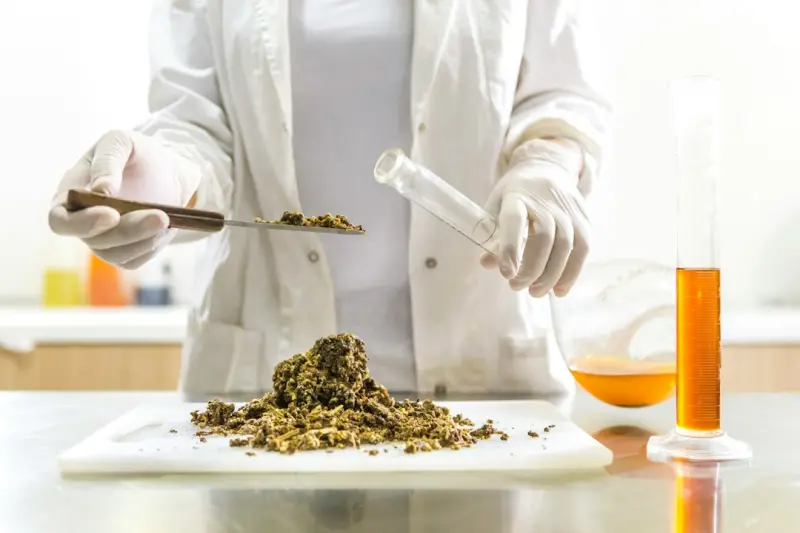
Why Cooking Is More Than Heat
When I first started experimenting in the kitchen, I treated it like a laboratory. I wasn’t just tossing ingredients together; I was watching reactions, measuring outcomes, and asking the same question that drives every good scientist: What is changing? The answer, for most of us, is simple yet profound—cooking transforms the chemistry of food, unlocking nutrients that raw ingredients sometimes hide, while also potentially destroying others if we’re not careful.
The Science of Heat and Nutrient Bioavailability
Heat is the most obvious agent of change in the kitchen, but its impact on nutrients is nuanced. Some vitamins, like vitamin C and many of the B‑complex family, are heat‑sensitive and degrade quickly. Others, such as lycopene in tomatoes or beta‑carotene in carrots, become more accessible when their cellular walls are softened by cooking.
Understanding this balance helps you decide when to cook and when to preserve. Below is a quick cheat‑sheet:
- Quick‑simmer or blanch for green vegetables to retain crunch and vitamin C.
- Roast or sauté carrots, tomatoes, and sweet potatoes to boost lycopene and beta‑carotene.
- Stew low‑and‑slow for beans and legumes to break down antinutrients like phytic acid.
Water: The Double‑Edged Sword
Boiling can leach water‑soluble nutrients into the cooking liquid. This isn’t always a loss—if you turn that liquid into a soup or sauce, you’re rescuing those vitamins. However, discarding it can mean a significant nutritional hit.
One strategy I love is the one‑pot approach. Cook your greens in the same broth you’ll later sip, or blend the cooking water into a puree. This not only conserves nutrients but also creates a richer flavor profile.
Fats: The Unsung Heroes of Nutrient Absorption
Many micronutrients are fat‑soluble: vitamins A, D, E, and K. Pairing them with a modest amount of healthy fat dramatically improves absorption. A drizzle of olive oil over steamed broccoli, a splash of avocado oil in a quinoa bowl, or a pat of butter melted into sautéed kale can turn a good meal into a great one.
Don’t be afraid to experiment with different fats. Each brings its own micronutrient package—omega‑3s from walnut oil, conjugated linoleic acid from grass‑fed butter, and phytosterols from sesame oil.
Acid, Alkaline, and the pH Dance
The pH of a cooking environment can affect nutrient stability. Acidic conditions (think lemon juice or vinegar) protect certain antioxidants, while alkaline environments can degrade others. For instance, adding a splash of lemon to sautéed spinach preserves its iron‑binding compounds, whereas a long, alkaline boil can diminish them.
Use acidity strategically: brighten sauces, preserve greens, or finish a dish with a citrus zest to lock in both flavor and nutrition.
The Maillard Reaction: Flavor Meets Function
When proteins and sugars meet at high heat, they undergo the Maillard reaction, creating the golden crust we love on everything from toast to roasted chicken. This reaction not only adds depth of flavor but also forms new antioxidant compounds called melanoidins.
However, the Maillard reaction can also produce potentially harmful compounds like acrylamide, especially in starchy foods cooked at very high temperatures. The key is moderation—aim for a beautiful brown, not a burnt black.
Practical Kitchen Hacks for Nutrient‑Smart Cooking
- Pre‑soak, then pressure‑cook beans. This reduces cooking time and preserves more B‑vitamins.
- Steam, don’t over‑boil cruciferous veggies to keep glucosinolates intact.
- Use the lid to trap steam, reducing cooking time and nutrient loss.
- Finish with fresh herbs to add phytonutrients that don’t survive heat.
- Blend, don’t strain when making smoothies—keep the fiber and micronutrients locked in.
Building a Nutrient‑Smart Pantry
A well‑stocked pantry makes it easier to apply these cooking principles. Here are my staples:
- Whole grains (quinoa, farro, brown rice) – versatile base for nutrient‑dense meals.
- Legumes (lentils, chickpeas, black beans) – protein, fiber, and minerals.
- Nuts & seeds – healthy fats and micronutrients; keep them in the fridge to prevent rancidity.
- High‑quality oils – olive, avocado, walnut for diverse fatty acid profiles.
- Dried herbs and spices – antioxidants and anti‑inflammatory compounds.
- Acidic condiments – apple cider vinegar, lemon juice, tamarind paste for pH balance.
Integrating Culinary Chemistry Into Your Daily Routine
Applying these concepts doesn’t require a culinary degree—just a few mindful steps:
- Plan the cooking method first. Ask, “Which nutrient am I targeting?” Choose the method that maximizes it.
- Pair foods strategically. Combine fat‑soluble vitamins with healthy oils, and pair iron‑rich greens with vitamin C sources for better absorption.
- Reserve cooking liquids. Turn broth into soups or sauces to reclaim leached nutrients.
- Finish with fresh elements. A sprinkle of herbs, a squeeze of citrus, or a drizzle of nut butter can add a final nutrient boost.
Case Study: Transforming a Simple Tomato Sauce
Let’s walk through a classic recipe and see the chemistry at play.
- Start with a raw base. Fresh tomatoes contain about 30 % lycopene that’s largely inaccessible.
- Sauté onions in olive oil. The oil not only adds flavor but also prepares a medium for fat‑soluble lycopene.
- Add tomatoes and a pinch of sea salt. Salt breaks down cell walls, releasing more nutrients.
- Simmer gently for 20 minutes. Heat transforms lycopene into a more bioavailable form.
- Finish with fresh basil and a splash of lemon juice. The acid preserves vitamin C, while basil adds antioxidants.
The result? A sauce that’s not just tastier but also packs a higher concentration of health‑boosting compounds.
Linking Nutrition to Broader Well‑Being
Cooking with chemistry in mind dovetails perfectly with holistic health approaches. For instance, the creative power‑up mindset encourages us to view each bite as an opportunity for performance enhancement. Meanwhile, teams that practice mindful nutrition—especially remote teams—report higher focus and reduced fatigue (nutrition for remote work).
Conclusion: Your Kitchen as a Lab of Wellness
When you see your stovetop as a laboratory, every sizzle becomes a data point, every aroma a clue, and every bite a result. By mastering the chemistry of cooking—heat, water, fat, acid, and the Maillard reaction—you can unlock hidden nutrients, enhance flavor, and support your body’s performance. The next time you reach for the skillet, remember: you’re not just feeding yourself; you’re engineering a healthier version of you.

Deb Roberts is a freelancer who writes on various subjects, bringing versatility and depth to her work. Alongside her broad writing expertise, she has a special passion for horses.
Related Posts

The Role of Nutrition in Maintaining Mental Health and Wellbeing
Nutrition plays a vital role in maintaining mental health and wellbeing. A healthy diet rich in frui... Read More
Nutritional Epigenetics: Eating Your Way to a Healthier Genome
Nutritional epigenetics reveals how diet can switch genes on or off. This article explores the mecha... Read More

Nourish Your Brain: Seasonal, Gut‑Friendly Strategies for Creative Energy
Learn how to feed your gut, align meals with your circadian rhythm, and revitalize heritage recipes ... Read More
Top Posts

Designing a Sleep Sanctuary: How Soundscapes Can Quiet Insomnia
Discover the power of auditory design in battling insomnia. This guide walks you through building a soothing soundscape, integrating lifestyle habits, and using...Read More

Embracing Holistic Healing: My Path Through Cancer and Beyond
A candid, heart‑opening account of navigating cancer with holistic tools, from nutrition to mindset, offering hope and actionable steps for anyone seeking a f...Read More

When Data Meets the Immune System: Real‑Time Tracking Redefines Autoimmune Care
A deep dive into how real‑time data, wearable tech, and community sharing are giving autoimmune patients the tools to predict flares, tailor interventions, an...Read More

The Hidden Levers: How Everyday Environments Shape Blood Sugar Stability
Learn practical, science‑backed ways to tweak your workspace and home environment—light, sound, temperature, posture, and more—to naturally smooth blood s...Read More
0 Comments
Post Comment
You will need to Login or Register to comment on this post!