
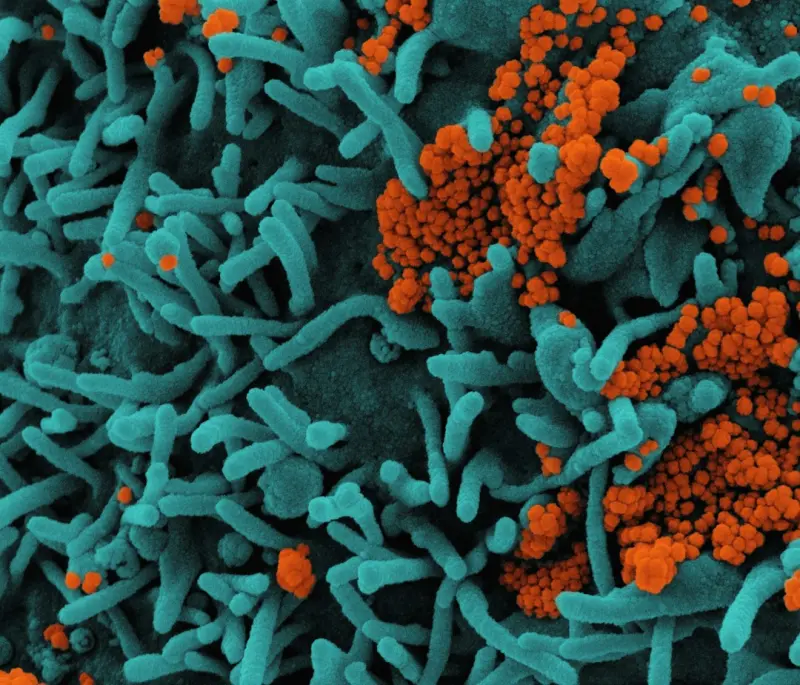
When I first started experimenting with blood‑sugar management, I thought the battle was all about carbs, insulin, and the occasional gym session. I was wrong. The real hidden lever lives deep inside your belly—your gut microbiome. Those trillions of microbes aren’t just passive passengers; they’re active engineers that shape how you absorb, store, and release glucose. In this deep‑dive I’ll walk you through the science, share the most actionable tactics, and show you how to turn your gut into a glucose‑stabilizing powerhouse.
Why the Microbiome Matters for Glucose
Every bite you take triggers a cascade of events. Enzymes break down carbohydrates into simple sugars, which then enter the bloodstream. Your pancreas releases insulin, telling cells to pull those sugars in for energy or storage. What most people overlook is the role of gut bacteria in modulating each step of that cascade.
- Fermentation of Fiber – Certain bacteria thrive on dietary fiber, converting it into short‑chain fatty acids (SCFAs) like butyrate, propionate, and acetate. SCFAs improve insulin sensitivity and reduce post‑meal glucose spikes.
- Gut‑Brain Signaling – Microbes produce neurotransmitters (e.g., serotonin, GABA) that influence appetite, stress response, and even the timing of insulin release.
- Barrier Integrity – A healthy microbiome reinforces the gut lining, preventing “leaky gut.” When the barrier weakens, inflammatory molecules leak into circulation, sabotaging insulin signaling.
- Metabolic Gene Expression – Certain bacterial metabolites can switch on or off genes in liver and muscle cells that govern glucose production and utilization.
In short, a balanced microbiome can smooth out the peaks and valleys of blood sugar, while dysbiosis (microbial imbalance) often fuels erratic glucose swings.
Mapping Your Microbial Landscape
Before you overhaul anything, you need a baseline. The most accessible way is a stool DNA test from a reputable lab. Look for these key metrics:
- Alpha Diversity – A measure of how many different species you host. Higher diversity generally equals better metabolic resilience.
- Firmicutes/Bacteroidetes Ratio – An elevated ratio has been linked to insulin resistance and obesity.
- Specific Strains – Pay attention to Akkermansia muciniphila, Faecalibacterium prausnitzii, and certain Bifidobacterium species; they’re associated with improved glucose handling.
Don’t get lost in the data. Focus on the three actionable signals above and use them as a compass for dietary and lifestyle tweaks.
Three Pillars to Optimize Your Microbiome for Blood Sugar
1. Fiber Architecture – Feed the Right Bugs
Not all fiber is created equal. Soluble fibers (oats, psyllium, chicory root) dissolve into a gel that ferments quickly, feeding SCFA‑producing bacteria. Insoluble fibers (whole‑grain wheat bran, nuts, seeds) add bulk and promote regular transit, which helps keep pathogenic microbes in check.
Practical steps:
- Target 30–40 g of total fiber per day, split evenly between soluble and insoluble sources.
- Start meals with a fiber‑first approach: a small salad, a handful of berries, or a chia‑seed pudding before the main carbohydrate dish.
- Rotate your fiber sources weekly—switch between legumes, whole grains, and root vegetables—to avoid feeding a single bacterial niche.
2. Polyphenol Power – The Antioxidant Amplifier
Polyphenols, found in berries, dark chocolate, green tea, and coffee, act like fertilizer for beneficial microbes while inhibiting harmful ones. They also modulate glucose transporters in the gut lining, reducing the amount of sugar that actually reaches the bloodstream.
Implementation tips:
- Swap sugary desserts for a strategic food pairing that combines berries with a dash of dark chocolate. The synergy boosts both flavor and microbiome health.
- Enjoy 2–3 cups of green tea daily; the catechins are especially potent at promoting Bifidobacterium growth.
- If you love coffee, choose a single‑origin, lightly roasted bean and limit added sugars. The chlorogenic acids help keep blood sugar levels stable.
3. Timing & Rhythm – Align Microbial Activity with Your Day
Microbes have their own circadian clocks. Eating large meals late at night can disrupt those clocks, leading to reduced SCFA production and heightened insulin resistance the next morning. Conversely, a consistent eating window supports a synchronized gut‑brain axis.
Actionable schedule:
- Adopt a 12‑hour eating window (e.g., 7 am–7 pm). This gives gut bacteria a nightly fast, encouraging repair and optimal metabolite production.
- Prioritize a protein‑rich breakfast (eggs, Greek yogurt, or a plant‑based shake) to jump‑start both your own metabolism and the microbial community.
- End the day with a light, fiber‑rich snack (a small apple with almond butter) if you need to curb cravings; it feeds microbes without spiking glucose.
Microbe‑Friendly Foods That Directly Influence Glucose
Here’s a quick reference table you can paste on your fridge. Each item lists the primary microbial benefit and its impact on blood sugar.
| Food | Microbial Benefit | Glucose Effect |
|---|---|---|
| Kimchi / Sauerkraut | Boosts Lactobacillus & Bifidobacteria | Improves insulin sensitivity |
| Chicory Root (inulin) | Prebiotic for Bifidobacteria | Reduces post‑meal spikes |
| Jerusalem Artichoke | High in fructooligosaccharides | Promotes SCFA production |
| Blueberries | Polyphenol‑rich, supports Akkermansia | Modulates glucose transport |
| Walnuts | Omega‑3s foster anti‑inflammatory microbes | Stabilizes fasting glucose |
| Greek Yogurt (live cultures) | Direct probiotic source | Enhances gut barrier, lowers insulin spikes |
Supplemental Allies (Use With Caution)
If diet alone isn’t enough, consider these evidence‑backed options. Always consult a healthcare professional before adding supplements.
- Berberine – A plant alkaloid that mimics metformin’s glucose‑lowering action and also promotes beneficial gut bacteria.
- Inulin or Oat Beta‑Glucan Powders – Concentrated prebiotic fibers that can boost SCFA output within weeks.
- Probiotic Blends – Look for strains like Lactobacillus rhamnosus GG and Bifidobacterium longum that have documented effects on insulin sensitivity.
Tracking Progress Without Obsession
Data can be empowering, but too much can trigger the same decision fatigue we tackled in a previous post about blood sugar. Instead of checking your glucose every hour, adopt a trend‑focused approach:
- Log fasting glucose and HbA1c every 2–3 weeks.
- Track “gut health moments” – how often you feel bloated, regular, or energized after meals.
- Use a simple mood‑energy chart to correlate sleep quality, stress, and glucose stability.
For those who love a deeper dive, consider linking your continuous glucose monitor (CGM) data with sleep analytics. One of our readers found that visualizing night‑time glucose trends alongside sleep‑related data points revealed hidden stress spikes that were sabotaging morning glucose levels.
Common Pitfalls and How to Avoid Them
- Going Too Low‑Fiber Too Fast – A sudden surge of fiber can cause gas, bloating, and even temporary glucose spikes. Increase fiber intake by 5 g per week.
- Relying on “Probiotic‑Only” Solutions – Probiotics need pre‑biotics to thrive. Pair any supplement with fiber‑rich foods.
- Ignoring Stress – Cortisol drives glucose production and also reshapes the microbiome. Incorporate daily stress‑reduction practices (breathing, short walks, or brief meditation).
- Skipping Sleep – Poor sleep alters the gut‑brain axis, leading to increased appetite for high‑glycemic foods. Aim for 7–9 hours of quality sleep.
Putting It All Together: A 7‑Day Starter Plan
Below is a sample week that integrates the three pillars. Feel free to swap foods based on preference, but keep the structure intact.
| Day | Breakfast | Lunch | Dinner | Snack |
|---|---|---|---|---|
| Mon | Greek yogurt + berries + chia seeds | Quinoa bowl with roasted veg, chickpeas, and kimchi | Grilled salmon, sautéed kale, sweet potato | Apple slices + almond butter |
| Tue | Oatmeal (inulin added) with walnuts & cinnamon | Lentil soup + side salad with olive oil | Stir‑fry tofu, broccoli, bell peppers, brown rice | Handful of mixed nuts |
| Wed | Scrambled eggs + spinach + avocado | Turkey wrap (whole‑grain) + sauerkraut | Baked cod, quinoa, roasted carrots | Blueberries + dark chocolate (20 % cocoa) |
| Thu | Green tea smoothie (matcha, kefir, banana) | Mixed bean salad with olive oil & lemon | Grass‑fed beef steak, asparagus, mashed cauliflower | Celery sticks + hummus |
| Fri | Protein shake (pea protein) + ground flaxseed | Grilled chicken Caesar (no croutons) + side of kimchi | Eggplant lasagna (zucchini noodles) + side salad | Greek yogurt + honey drizzle |
| Sat | Whole‑grain toast + almond butter + sliced strawberries | Sushi bowl (brown rice, avocado, cucumber, smoked salmon) | Roasted pork tenderloin, Brussels sprouts, quinoa | Small piece of dark chocolate |
| Sun | Chia pudding (coconut milk) topped with mango | Vegetable curry (lentils, cauliflower) over millet | Grilled shrimp, mixed greens, olive‑oil vinaigrette | Handful of pistachios |
Notice the consistent inclusion of fiber, polyphenols, and a balanced macronutrient profile. The plan respects a 12‑hour eating window (7 am–7 pm), supporting microbial circadian harmony.
Looking Ahead: The Future of Microbiome‑Centric Glucose Management
Researchers are now developing “next‑gen” probiotics engineered to secrete insulin‑mimetic peptides directly in the gut. While still in trials, this points to a future where your microbiome could become a living pharmacy for glucose regulation. Until then, the tools we’ve covered are fully within your reach.
Remember, managing blood sugar isn’t a sprint; it’s a marathon that runs through the tunnels of your intestines. By feeding the right microbes, you give your body the most reliable ally in the fight against glucose volatility.
If you’ve found these insights useful, share the article with teammates who track their health metrics. A healthier gut means a healthier workforce, and that’s a win for everyone.

Related Posts

Time‑Smart Eating: How Meal Timing Supercharges Blood‑Sugar Stability
Learn why the timing of your meals matters more than you think. This guide walks you through chronon... Read More

Scent, Breath, and Balance: A Fresh Take on Managing Blood Sugar
Explore the unexpected power of scent and breathwork in regulating blood sugar, with practical ritua... Read More

Seasonal Strategies to Naturally Manage Blood Sugar
Brandy Miller shares a fresh, season‑based approach to blood sugar management, blending local prod... Read More
Top Posts
Conducting Your Autoimmune Health: The Power of Everyday Choices
A deep dive into how everyday habits—nutrition, sleep, stress handling, community, and technology—can harmonize the immune system, offering actionable steps...Read More

Pregnancy Unplugged: My Holistic Blueprint for a Thriving Trimester
Brody Lambert shares his holistic blueprint for navigating pregnancy, blending nutrition, mindset, movement, and sleep to empower expectant mothers for a thrivi...Read More

Living with Narcolepsy: Harnessing Creativity and Resilience
A fresh look at narcolepsy shows how unexpected sleep episodes can spark creativity, improve personal routines, and build resilience, offering practical strateg...Read More

Beyond Numbers: A Whole‑Person Blueprint for Stable Blood Sugar
A holistic, systems‑thinking guide shows how indoor air quality, lighting, micro‑movements, stress management, diet, and sleep combine to keep blood sugar s...Read More
0 Comments
Post Comment
You will need to Login or Register to comment on this post!