

When we think about nutrition, we often focus on the individual hero ingredients—kelp, quinoa, avocado—and how each can fuel our bodies. Yet nature rarely delivers nutrients in isolation. The magic frequently lies in the interplay between foods, where the combined effect exceeds the sum of their parts. This concept, which I like to call culinary synergy, is a game‑changer for anyone seeking to fine‑tune health, performance, and longevity without reaching for exotic supplements.
Why Food Pairing Matters
The human digestive system is a sophisticated biochemical workshop. Enzymes, acids, and transporters work in concert to extract, convert, and shuttle nutrients to where they’re needed. When two (or more) foods are consumed together, they can:
- Enhance absorption. Certain vitamins need a companion to become bioavailable. For example, the fat‑soluble vitamin A in carrots is best utilized when a dash of healthy oil accompanies it.
- Reduce antagonism. Some compounds can inhibit the uptake of others. Iron from plant sources can be blocked by polyphenols in coffee, but pairing iron‑rich lentils with vitamin C‑rich bell peppers neutralizes that effect.
- Create new bioactive compounds. The combination of curcumin (from turmeric) with piperine (from black pepper) yields a dramatic uptick in curcumin’s bioavailability—up to 2,000% according to some studies.
- Support gut health. Pairing fermentable fibers with prebiotic‑rich foods can foster a thriving microbiome, which in turn influences everything from mood to immune function.
This synergy is why traditional culinary wisdom across cultures—think of the classic Italian pairing of tomatoes with olive oil, or the Japanese combo of miso with seaweed—has endured for centuries. Modern nutrition science is finally catching up, providing the molecular explanations behind these age‑old practices.
Three Core Principles for Maximizing Synergy
Below are the guiding pillars you can apply in everyday meals to harness the hidden power of food pairing.
1. Match Fat‑Soluble Nutrients with Healthy Fats
Vitamins A, D, E, and K dissolve best in fat. When you toss a leafy salad with a vinaigrette made from extra‑virgin olive oil, you’re not just adding flavor—you’re creating a delivery vehicle that transports those fat‑soluble nutrients straight into your bloodstream. The same principle holds for carotenoids (beta‑carotene, lutein, lycopene). A spoonful of avocado or a drizzle of nut oil can boost the absorption of these antioxidants dramatically.
2. Pair Minerals with Vitamin C for Boosted Uptake
Iron, especially non‑heme iron found in plant foods, can additionally be a tricky nutrient to absorb. Vitamin C acts as a reducing agent, converting iron into a more soluble form. A simple yet potent combo is a lentil stew finished with a splash of lemon juice or a stir‑fry of kale and chickpeas tossed with orange segments. The vitamin C not only lifts iron absorption but also supports collagen synthesis, making the pairing a double win.
3. Combine Polyphenol‑Rich Foods with Black Pepper or Turmeric
Polyphenols—found in berries, dark chocolate, tea, and many herbs—are powerful antioxidants but often suffer from poor bioavailability. Adding a pinch of black pepper (which contains the compound piperine) can open the “gate” to better uptake. Similarly, the relationship between curcumin and piperine is a textbook example of synergy that many of us have heard about. A golden‑milk latte made with turmeric, a touch of coconut milk, and a sprinkle of black pepper is not just comforting; it’s a nutrient‑hacking ritual.
Real‑World Meal Templates
To make the concept concrete, let’s break down three full‑day meal plans that integrate these principles.
Breakfast: Power‑Packed Smoothie Bowl
- Base: Unsweetened Greek yogurt (protein, calcium).
- Blend‑in: Frozen mixed berries (polyphenols, fiber).
- Top with: Chia seeds (omega‑3 fats) and a drizzle of walnut oil (healthy fat for vitamin absorption).
- Finish with: A sprinkle of fresh lime zest (vitamin C to aid any plant‑based iron from the chia).
Result: A breakfast that delivers a balanced mix of macro‑ and micronutrients, with the oil ensuring the fat‑soluble antioxidants in berries are efficiently utilized.
Lunch: Mediterranean Grain Bowl
- Grains: Quinoa (complete protein, magnesium).
- Veggies: Roasted carrots (beta‑carotene) and cherry tomatoes (lycopene).
- Protein: Grilled salmon (omega‑3 fatty acids, vitamin D).
- Dressing: Olive oil, lemon juice, minced garlic, and a pinch of black pepper.
Here, the olive oil carries the fat‑soluble vitamins from carrots and tomatoes, while the lemon juice provides vitamin C to aid iron absorption from the quinoa. Black pepper boosts any polyphenol activity from the garlic, making this bowl a synergy showcase.
Dinner: Turmeric‑Infused Stir‑Fry
- Protein: Tofu, cubed and lightly seared.
- Veggies: Broccoli, red bell pepper, and snap peas.
- Flavor base: Turmeric, ginger, garlic, and a dash of coconut milk.
- Finish: A generous pinch of black pepper.
The turmeric‑piperine partnership maximizes curcumin’s anti‑inflammatory properties, while the vitamin C from the red bell pepper aids the non‑heme iron in the tofu. The fiber-rich vegetables feed beneficial gut microbes, supporting the microbiome synergy discussed in Gut Feelings: How a Balanced Microbiome Fuels High‑Performance Living.
Synergy Beyond the Plate: Timing and Lifestyle Considerations
Nutrition does not happen in a vacuum. The timing of meals, the presence of stress, and even your sleep patterns can modulate how well your body utilizes the nutrients you provide.
- Post‑exercise windows. Consuming a carb‑protein‑fat combo within 30‑60 minutes after a workout can accelerate glycogen replenishment and muscle repair. Pairing a banana (potassium) with a scoop of whey protein blended into almond milk ensures fast absorption of both electrolytes and amino acids.
- Stress hormones. Elevated cortisol can impair nutrient absorption, especially of minerals. Including adaptogenic herbs like ashwagandha or rhodiola in a smoothie can help temper the cortisol spike, preserving the effectiveness of the micronutrients you’ve ingested.
- Sleep hygiene. Certain nutrients—magnesium, melatonin‑precursor tryptophan, and GABA‑supporting foods like tart cherries—work best when taken close to bedtime, aligning with the body’s natural night‑time repair mode.
Potential Pitfalls: When Synergy Backfires
Just as pairing can boost nutrition, the wrong combos can sabotage it. Here are common missteps to avoid:
- Calcium with iron supplements. Calcium can compete with iron for absorption, so it’s wise to separate them by at least two hours.
- Coffee or tea with iron‑rich meals. The tannins in these beverages bind iron, reducing its uptake. If you love a morning brew, consider drinking it an hour after your iron‑rich breakfast.
- Excessive fiber with minerals. Overloading on high‑fiber foods in the same meal as mineral supplements can bind those minerals, limiting absorption. Balance is key.
Measuring the Impact: Simple Experiments for the Curious
If you’re a data‑driven professional, you can track how food pairing affects your own performance. Here’s a low‑effort protocol:
- Choose a nutrient you care about—say, iron or vitamin D.
- Pick two meal versions: one where you incorporate the synergy principle (e.g., iron‑rich lentils with vitamin C) and one where you don’t.
- Use a home testing kit (available at most pharmacies) to measure blood levels of the target nutrient after a week of each diet.
- Record subjective metrics—energy levels, focus, recovery time—and look for patterns.
This approach mirrors the data‑centric mindset highlighted in Glucose Mastery for High‑Performers: Data, Timing, and Fermented Fuel, allowing you to turn anecdotal intuition into actionable insight.
Takeaway Checklist
- Pair fat‑soluble vitamins with healthy fats.
- Combine non‑heme iron with vitamin C‑rich foods.
- Boost polyphenol absorption with black pepper or piperine.
- Mind meal timing relative to workouts, stress, and sleep.
- Avoid known antagonistic combos such as calcium + iron or tannin‑laden drinks with mineral‑rich meals.
By weaving these strategies into your daily menu, you’ll unlock a level of nutritional efficiency that feels less like a diet and more like a finely tuned performance system. Remember, the goal isn’t to overhaul your palate overnight but to add a few thoughtful tweaks that compound over time—much like the micro‑breaks we champion for mental stamina (Mental Microbreaks: Tiny Pauses, Massive Gains).
Food is the fuel, but synergy is the catalyst. When you give nutrients the right partners, you give your body the edge it needs to thrive in a demanding world.

Related Posts
Why the Colors on Your Plate Matter More Than You Think
A vibrant plate isn’t just pleasing to the eye; it’s a powerful tool for hormonal balance. Explo... Read More
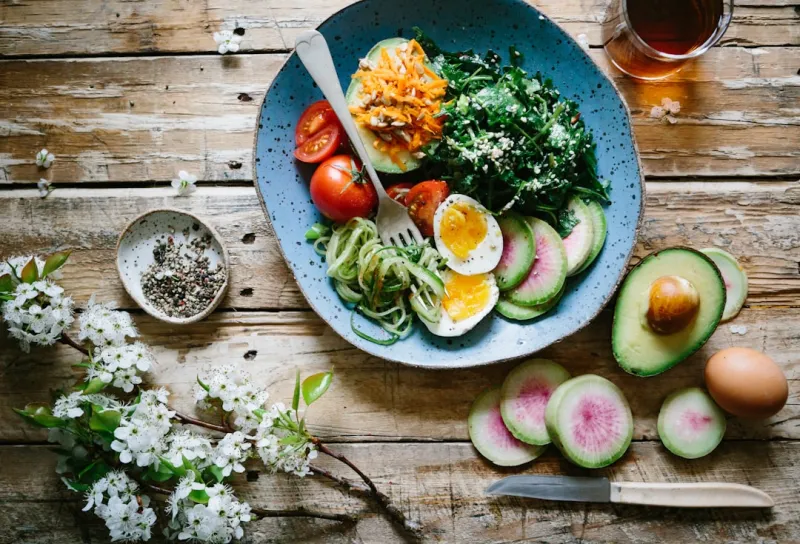
Nikki McDonald’s Holistic Nutrition Blueprint: From Gut Health to Seasonal Eating
Nikki McDonald shares a holistic nutrition roadmap that ties gut health, macro balance, and seasonal... Read More

How Color, Clock, and Culture Can Transform Your Nutrition
Learn the art of eating with color, timing, and mindful choices to supercharge your body, sharpen yo... Read More
Top Posts

Walking Meetings: Boosting Health and Productivity on the Move
Walking meetings transform stale office routines into dynamic health and productivity boosters, offering fresh air, increased creativity, and measurable wellnes...Read More

Rewriting Prediabetes: A Data‑Driven, Micro‑Habit Experiment
Learn how to treat prediabetes as a data‑driven experiment, using micro‑habits, wearables, and community accountability to turn small daily choices into big...Read More

The Unexpected Gifts Hidden in Sleep Terrors
Sleep terrors can feel alarming, but they often signal unresolved emotions. This post offers a compassionate framework to decode those nightly alerts, turning f...Read More

Cold Showers, Digital Declutter, and the Modern Man’s Quest for Peak Vitality
A practical guide for men that combines cold showers, digital minimalism, and meaningful daily rituals to boost energy, hormone health, and overall resilience....Read More
0 Comments
Post Comment
You will need to Login or Register to comment on this post!