
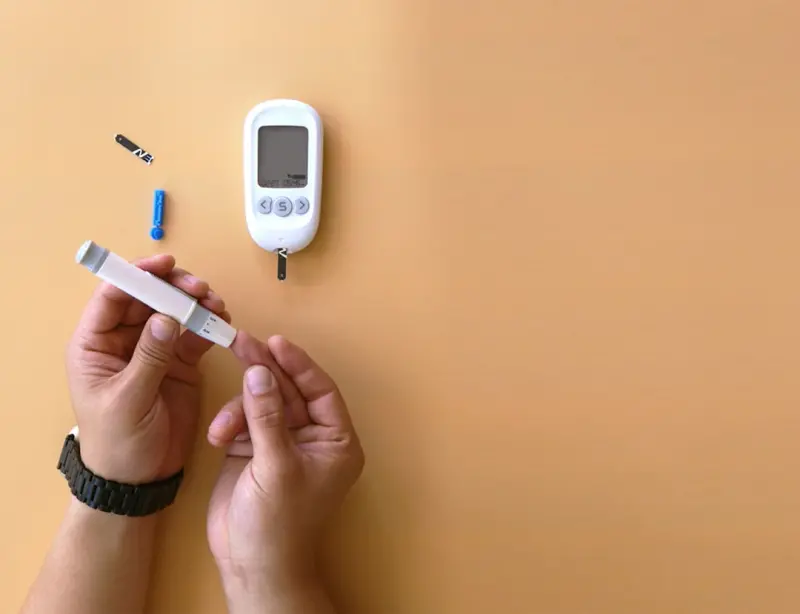
Seeing Prediabetes as a Data‑Driven Experiment
When the lab report flashes a fasting glucose of 108 mg/dL, the impulse is often to panic or dismiss the number as a trivial blip; instead, I choose to treat that reading as the first data point in a personal science project. By framing prediabetes as a hypothesis rather than a verdict, I gain permission to ask “what if” questions about every meal, movement, and mood that follows. This mindset turns anxiety into curiosity, and curiosity into actionable insight that can reshape the trajectory of my health.
Reprogramming the Brain’s Default Settings
The brain is a pattern‑recognition machine that loves shortcuts, so the moment we label ourselves “prediabetic” it can reinforce a defeatist narrative that sabotages change. I counter this by installing a new internal script: every glucose spike is a signal, not a sentence, prompting me to experiment with the next variable—whether it’s a different fiber source, a 10‑minute walk, or a brief meditation. Over time, this mental rehearsal rewires the default response from resignation to proactive problem‑solving.
Micro‑Habit Stacking for Sustainable Impact
Big lifestyle overhauls often crash under the weight of expectation, but stacking micro‑habits creates a cascade of small wins that compound into measurable glucose improvements. I start by pairing a glass of water with my morning coffee, then add a five‑minute stretch before the bathroom mirror, and finally slip a 2‑minute deep‑breathing pause before each snack. Each tiny addition requires negligible effort, yet together they shift insulin sensitivity, appetite cues, and stress levels without feeling like a regimented diet.
Leveraging Wearables and Real‑Time Feedback
Modern wearables have transformed the abstract concept of “blood sugar trends” into a live dashboard that can guide split‑second decisions about food and movement. By syncing a continuous glucose monitor (CGM) with a smartwatch, I receive alerts the moment my glucose climbs 15 mg/dL above baseline, prompting an immediate walk or a sip of vinegar‑infused water. This loop of measurement, insight, and action creates a feedback‑rich environment where trial and error become precise, data‑driven adjustments rather than blind guesses.
Beyond Macros: The Power of Food Timing and Quality
While most nutrition advice centers on carbohydrate counting, the timing and glycemic quality of those carbs can be equally decisive for someone on the prediabetes edge. I experiment with a “carb‑first, protein‑later” sequence at dinner, allowing fiber‑rich vegetables and low‑glycemic grains to settle before introducing protein, which dampens post‑meal glucose spikes. The results—visible in my CGM trends and echoed in fewer afternoon cravings—illustrate that subtle sequencing can be as potent as calorie reduction.
Turning Everyday Motion into Metabolic Momentum
Non‑exercise activity thermogenesis (NEAT) is the hidden calorie‑burn engine that many overlook, yet it offers a low‑barrier pathway to improve insulin response. Simple actions—standing while answering calls, pacing during conference calls, or parking two blocks farther from the office—accumulate to a 300‑500 kcal daily burn that directly supports glucose regulation. By tracking steps with my phone and setting incremental “move‑more” goals, I convert idle minutes into metabolic momentum without sacrificing schedule flexibility.
Building a Community of Accountability and Shared Data
Isolation can amplify the fear of prediabetes, but joining a small cohort of peers who share CGM screenshots, recipe swaps, and weekly “glucose‑wins” creates a collective intelligence that accelerates learning. In our private forum, a member’s discovery that a splash of cinnamon curbed her post‑breakfast rise sparked a group experiment that reduced average spikes by 12 %. This collaborative loop mirrors the open‑source model of software development—every insight is a contribution that benefits the whole.
Managing Stress and Sleep as Silent Glucose Modulators
Stress hormones like cortisol can masquerade as hidden carbs, driving hepatic glucose output even when you haven’t eaten; similarly, fragmented sleep impairs insulin signaling, making the body less efficient at processing the same meals. I address this by integrating a nightly “wind‑down ritual” that includes a dim‑light reading session and a guided 10‑minute breathing exercise, coupled with a brief journaling habit that unloads mental clutter before bed. The combined effect is a steadier glucose curve and a clearer mind, proving that mental hygiene is as vital as dietary choices.
Next Steps: Turning Insight into a Personal Blueprint
If you’re staring at a prediabetes label and feel stuck, remember that the label is merely a starting point for a customized experiment, not a permanent identity. Begin by selecting one micro‑habit, pairing it with a real‑time data source, and sharing the outcome with a supportive peer group; then iterate, layer, and refine based on the feedback loop you create. For a deeper dive into glucose management strategies, check out our blood sugar mastery guide and explore how a holistic weight‑loss journey can complement your prediabetes experiment. The future of your health hinges on the small, data‑backed choices you make today.

Related Posts
Unlocking the Hidden Levers of Prediabetes: Data, Environment, and Tiny Wins
A data‑centric guide shows how aligning carb timing, adding micro‑breaks, optimizing light and a... Read More
Turning Prediabetes into a Catalyst for Whole‑Body Wellness
A personal, holistic guide shows how to turn a prediabetes warning into a roadmap for lasting health... Read More

Sleep Your Way Out of Prediabetes: Nighttime Strategies for Better Blood Sugar
Learn why sleep is a hidden lever for blood sugar control and get actionable nighttime routines, fro... Read More
Top Posts

Desk‑Bound No More: Crafting a Self‑Guided Physiotherapy Routine for Remote Professionals
Discover a four‑pillar framework—Awareness, Activation, Alignment, and Adaptation—that lets remote professionals turn their home office into a therapeutic...Read More

Reimagining Home Spaces: How Environment Shapes Vitality in Later Life
A fresh look at how intentional home design, subtle sensory cues, and smart technology can transform everyday spaces into allies for healthy aging, enhancing sa...Read More

Beyond Pills: Gamified Breath Work to Master Blood Pressure
A fresh, data‑driven approach to blood pressure blends gamification, breathwork, cold exposure, micro‑periodized nutrition, and wearable tech, giving busy p...Read More

Reclaim Your Brainpower: Building a Memory Palace for Modern Professionals
Learn to harness spatial memory with the Memory Palace method, a science‑backed strategy that improves recall, reduces cognitive overload, and integrates seam...Read More
0 Comments
Post Comment
You will need to Login or Register to comment on this post!