

Rethinking Nutrition: From Calories to Synergy
When we step back from the endless calorie counting and nutrient tables, we begin to see food as an orchestra where flavors, textures, and bioactive compounds play together to create a holistic health experience, and this perspective invites us to explore the subtle dance between nutrients that can amplify each other's benefits far beyond their isolated effects; I’ve found that embracing this synergy not only simplifies meal planning but also transforms everyday eating into a purposeful act of self‑care, especially when we consider how micronutrients like polyphenols can enhance the absorption of minerals such as iron, turning a simple salad into a powerhouse of bioavailability. In my kitchen experiments, pairing vitamin‑C‑rich bell peppers with iron‑dense lentils consistently yields higher ferritin levels, a reminder that the sum of a meal can indeed be greater than its parts, and this principle fuels my belief that nutrition should be approached as a dynamic system rather than a static checklist. By shifting our focus to how foods interact, we unlock the potential for greater energy, improved mood, and resilient immunity, all while honoring the body's innate wisdom to seek balance.
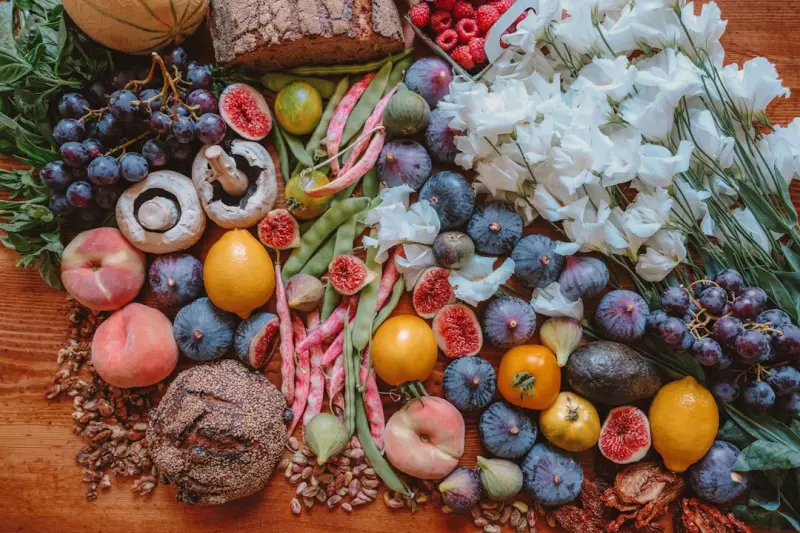
One practical way to harness this synergy is to design plates that celebrate diversity in both color and texture, because each hue often signals a unique set of phytochemicals that can work together to combat oxidative stress, modulate inflammation, and support hormonal harmony; for instance, the deep purple of beetroot carries betalains that complement the lutein found in golden carrots, together offering a broader spectrum of antioxidant protection. I love arranging meals like a painter’s palette—rich reds, vibrant oranges, earthy greens, and deep blues—so that every bite delivers a mosaic of nutrients, and this visual strategy also makes the dining experience more engaging, encouraging mindfulness and satisfaction. When you consistently fill your plate with a rainbow, you’re not just feeding your eyes; you’re feeding your cells with a balanced array of compounds that collectively enhance detox pathways, support gut health, and promote steady blood sugar levels, making each meal a proactive step toward long‑term vitality.
The Chromatic Power of Plant Foods
Scientific research increasingly validates the age‑old wisdom that “eat the rainbow,” showing that the pigments responsible for a vegetable’s color are often linked to powerful health‑promoting compounds such as anthocyanins in blueberries, carotenoids in carrots, and chlorophyll in leafy greens, each acting as a natural defender against cellular damage; by intentionally incorporating a spectrum of colors into daily meals, you create a multi‑layered shield that can reduce chronic disease risk while simultaneously boosting cognitive function and mood stability. I’ve experimented with swapping out a typical white rice side for a vibrant quinoa‑and‑wild‑berry blend, and the subtle shift in taste and texture not only pleases the palate but also infuses the dish with flavonoids that have been shown to improve endothelial function, a key factor in cardiovascular health. Embracing this chromatic approach also supports gut microbiota diversity, as different fibers and polyphenols serve as prebiotic substrates for various beneficial bacterial strains, fostering a more resilient digestive ecosystem.
Beyond the obvious health benefits, colorful plates can also serve as a catalyst for mindful eating, prompting you to pause, appreciate, and savor each component, which in turn can reduce overeating and improve digestion; I often start meals by noting the spectrum before me, a simple ritual that heightens sensory awareness and signals to the brain that nourishment is a valued experience. To make this habit sustainable, consider batch‑prepping a “rainbow box” with chopped carrots, purple cabbage, golden beets, and leafy arugula, storing them in clear containers so the visual appeal remains front and center throughout the week. This strategy not only saves time but also removes the decision fatigue that often leads to defaulting to bland, monotone options, ensuring that vibrant, nutrient‑dense foods become the easy, default choice for every meal.
When Your Clock Eats: Meal Timing Matters
The body’s internal circadian rhythm is a master regulator of metabolism, hormone release, and cellular repair, and emerging evidence suggests that aligning meal times with this natural clock can dramatically improve blood sugar stability, weight management, and even sleep quality; eating larger meals earlier in the day when insulin sensitivity peaks, then gradually lightening intake toward the evening, mirrors our ancestors’ patterns of daytime activity and nighttime rest, creating a harmonious metabolic flow. In my own routine, I’ve shifted my primary protein source to a hearty midday bowl of beans and roasted vegetables, reserving lighter fare—such as a vegetable‑rich broth or a modest fruit snack—for the evening, and this adjustment has led to steadier energy levels, fewer afternoon cravings, and a more restorative night’s sleep. By respecting the body’s temporal signals, you also support the rhythmic release of digestive enzymes, which optimizes nutrient extraction and reduces the likelihood of gastrointestinal discomfort.
Implementing circadian‑aligned eating doesn’t require drastic overhauls; start by setting a consistent “first bite” window within two hours of waking, ensuring that breakfast includes protein and fiber to kick‑start metabolism, then aim to finish the last substantial meal at least three hours before bedtime, allowing the digestive system to wind down before the body transitions into repair mode. I’ve found that using a simple kitchen timer to signal the start and end of my eating window helps maintain discipline, and pairing this with a brief evening walk can further reinforce the natural decline in metabolic activity, promoting deeper sleep and better hormone balance. Over time, these modest timing tweaks become ingrained habits that support long‑term health without feeling restrictive or punitive.
Gut Signals: Fermented Foods for Brain Health
The gut‑brain axis is a two‑way communication highway where signals from the digestive tract influence mood, cognition, and stress resilience, and incorporating fermented foods such as kimchi, sauerkraut, and kefir can enrich this dialogue by introducing beneficial microbes that produce neurotransmitters like serotonin and gamma‑aminobutyric acid; these short‑chain fatty acids not only nurture the intestinal lining but also cross the blood‑brain barrier to modulate emotional regulation and mental clarity. My personal journey with fermented vegetables began as a curiosity about probiotic benefits, and after consistently adding a tablespoon of homemade kimchi to my lunch salads, I noticed a subtle uplift in focus and a reduction in evening anxiety, underscoring the powerful role of microbial diversity in mental well‑being. Regular consumption of these foods also strengthens the gut barrier, reducing systemic inflammation that can otherwise impair cognitive function and increase the risk of neurodegenerative conditions.
To make fermented foods a seamless part of your diet, start small: a spoonful of probiotic‑rich yogurt with breakfast oatmeal, a side of lightly fermented carrots with dinner, or a quick‑pickled radish snack during the afternoon slump can provide a steady influx of live cultures without overwhelming the palate; I recommend rotating different strains to expose your gut to a broader microbial spectrum, much like diversifying an investment portfolio for resilience. If you’re new to fermentation, there are plenty of beginner‑friendly kits that guide you through the process, turning a kitchen hobby into a therapeutic ritual that supports both digestive health and emotional equilibrium. Consistency is key—making these foods a daily habit ensures that the beneficial microbes maintain their foothold, fostering a thriving gut ecosystem that communicates positively with the brain.
Protein with Purpose: Sustainable Choices
Beyond the environmental impact, choosing sustainable protein sources such as legumes, nuts, and responsibly sourced fish can also deliver a superior nutrient profile, offering fiber, essential fatty acids, and phytonutrients that animal‑based proteins often lack; these plant‑forward options support heart health, stabilize blood sugar, and provide satiety without the saturated fat load associated with many meat products, aligning dietary goals with planetary stewardship. In my kitchen, I frequently swap out a portion of chicken in stir‑fries for edamame or chickpeas, creating a texture contrast that satisfies cravings while boosting the dish’s protein quality and fiber content, which in turn moderates post‑meal glucose spikes and prolongs fullness. Moreover, integrating a variety of plant proteins ensures a complete amino acid profile, especially when combined strategically—such as pairing rice with beans—to meet the body’s building block needs for muscle repair and hormone production.
When shopping for sustainable proteins, look for items labeled “organic,” “grass‑fed,” or “MSC certified,” and consider incorporating “flex‑days” where meat is entirely replaced with a hearty lentil soup, a quinoa‑seed bowl, or a nut‑based pesto pasta; these practices not only diversify your nutrient intake but also reduce reliance on resource‑intensive animal agriculture. I’ve discovered that preparing bulk batches of spiced lentil dal or roasted chickpea snacks in the weekend freezer provides convenient, ready‑to‑eat protein options that make weekday meals faster and more exciting, eliminating the temptation to fall back on processed convenience foods. By making intentional protein swaps, you empower your body with the essential building blocks for vitality while contributing to a healthier ecosystem.
Mindful Sips and Bites: Hydration and Small Tweaks
Staying properly hydrated is a foundational yet often overlooked pillar of nutrition, and adopting Micro‑Progressive Hydration techniques—such as sipping a glass of water before each meal or setting a timer to take a quick drink break every hour—can dramatically enhance digestion, nutrient transport, and cognitive performance without feeling burdensome; these bite‑size habits accumulate throughout the day, ensuring that cellular processes operate at peak efficiency. I personally integrate a “water‑first” mindset by starting each morning with a tall glass infused with lemon and cucumber, a ritual that not only awakens the senses but also kick‑starts metabolism and supports liver detox pathways, laying a solid groundwork for the meals that follow.
Pairing mindful hydration with other modest lifestyle adjustments can amplify health outcomes, and linking these practices to broader preventive strategies—such as the insights from Prediabetes Prevention Tweaks—creates a synergistic effect that guards against metabolic decline; for example, combining regular water intake with a balanced plate, brief post‑meal walks, and consistent sleep patterns forms a comprehensive approach that stabilizes blood glucose and reduces insulin resistance. By focusing on these small, sustainable actions, you build a resilient foundation that supports long‑term wellness, making the journey toward optimal nutrition feel manageable and empowering rather than overwhelming.

Kelly Reynolds is a dynamic freelance writer hailing from the picturesque landscapes of Alberta. A master of the written word, she juggles her passion for storytelling with the exhilarating chaos of being a mother to five spirited children. With an impressive portfolio that spans various genres, Kelly captivates readers through her engaging blog posts and thought-provoking articles.
Related Posts

Fermentation Frontiers: How Ancient Techniques Supercharge Modern Nutrition
Fermentation blends age‑old culinary art with cutting‑edge science, delivering richer flavors, a... Read More

Fermentation at Home: A Simple Path to Better Metabolism and Mood
Explore the science and simple steps behind home fermentation, learning how tangy kimchi, sauerkraut... Read More

The Marketing Playbook Behind Your Plate (and How to Outsmart It)
Explore how visual cues, language, and social proof influence our food decisions, and get actionable... Read More
Top Posts

A Personal Survival Guide to Sleep Terrors
A heartfelt guide reveals how simple bedroom tweaks, mindful reframing, and community support can transform sleepless terror into calm, restorative nights....Read More

Microbiome Resilience: Turning Your Gut into a Stress‑Proof Engine
Discover practical, science‑backed tactics to fortify your gut against workplace stress, boost focus, and improve overall resilience without overhauling your ...Read More

The Future of Health Insurance: How Mental Health and Preventive Care Are Revolutionizing the Industry
The health insurance industry is undergoing a significant transformation, driven by the growing awareness of mental health and preventive care. Learn how this s...Read More
The Gut’s Secret Weapon: Fermented Foods for Executive Edge
A practical guide for executives on leveraging fermented foods, prebiotics, stress management, and sleep hygiene to turn the gut into a silent powerhouse for su...Read More
0 Comments
Post Comment
You will need to Login or Register to comment on this post!