
Why the Colors on Your Plate Matter More Than You Think
When I was a teenager, my mother would tell me that a rainbow on the dinner table meant we were “eating the right stuff.” Back then I shrugged it off as a nostalgic saying, but as I dove deeper into nutrition science, I realized that those colorful cues are actually a sophisticated, evolution‑driven guide to hormonal balance. In today’s fast‑paced world, where meals are often reduced to “quick macros” or “low‑carb hacks,” embracing the visual language of food can be a game‑changer for anyone looking to stabilize mood, energy, and metabolic health without the endless calorie counting.
The Science Behind Food Pigments
Plants produce a dazzling array of pigments—anthocyanins, carotenoids, chlorophyll, betalains—to protect themselves from UV radiation, pests, and oxidative stress. Humans, in turn, have evolved receptors that recognize these compounds and trigger specific biochemical pathways. For example:
- Anthocyanins (deep blues and purples in blueberries, blackberries, and red cabbage) activate AMP‑activated protein kinase (AMPK), a master regulator that improves insulin sensitivity and supports healthy cortisol rhythms.
- Beta‑carotene (the orange of carrots, sweet potatoes, and pumpkins) is a precursor to vitamin A, which is essential for thyroid hormone synthesis and the conversion of T4 to the active T3 form.
- Chlorophyll (the bright green in spinach, kale, and parsley) binds to heavy metals and supports liver detox pathways that keep estrogen metabolism in check.
- Betalains (the vibrant reds in beets and the yellows in Swiss chard) have anti‑inflammatory properties that modulate the hypothalamic‑pituitary‑adrenal (HPA) axis, helping to dampen stress‑induced spikes in cortisol.
Each pigment doesn’t just add visual appeal—it carries a unique molecular signature that interacts with our endocrine system. By strategically selecting foods across the color spectrum, you can feed your hormones the precise nutrients they need to function optimally.
Building a Hormone‑Friendly Plate
Here’s a practical framework I use daily, broken down by hormone focus and the corresponding color groups:
1. Stabilizing Blood Sugar & Insulin
Target foods rich in deep reds and purples. These hues signal high anthocyanin content, which helps modulate insulin receptors.
- Fresh or frozen blueberries (a quick snack or smoothie base)
- Red cabbage slaw with apple cider vinaigrette
- Blackberries tossed into a mixed‑berry quinoa salad
2. Supporting Thyroid Health
Incorporate vibrant oranges and yellows to boost beta‑carotene intake.
- Roasted butternut squash soup, finished with a drizzle of pumpkin seed oil
- Carrot ribbons sautéed with ginger and a splash of orange zest
- Sweet potato mash seasoned with turmeric and black pepper
3. Balancing Cortisol & Stress Response
Lean on rich greens and deep magentas to harness chlorophyll and betalain benefits.
- Kale and spinach smoothie with beetroot powder and a handful of walnuts
- Steamed Swiss chard with a squeeze of lemon and toasted sesame seeds
- Seaweed salad (nori, wakame) sprinkled with sesame oil and cucumber
4. Enhancing Mood & Serotonin Production
Integrate golden yellows and pale pinks. These colors are rich in lutein and lycopene, nutrients that support neurotransmitter synthesis.
- Roasted yellow bell peppers stuffed with lentils, herbs, and feta
- Pink grapefruit segments paired with avocado and mint
- Turmeric‑golden cauliflower rice with a side of grilled salmon
Notice how each color group aligns with a specific hormonal pathway? The goal isn’t to eat a rainbow for its own sake; it’s to target the underlying biochemistry that fuels your day‑to‑day performance.
From Theory to Kitchen: A Sample Day
Below is a real‑world menu that demonstrates how to layer color, flavor, and hormone‑supportive nutrients without feeling contrived.
Breakfast: Purple Power Oat Bowl
- Rolled oats cooked in almond milk
- Stir‑in a scoop of frozen blueberry‑goji blend (anthocyanin boost)
- Top with sliced almonds, chia seeds, and a drizzle of raw honey
Mid‑Morning Snack: Green‑Gold Smoothie
Blend together spinach, kale, half a ripe banana, a quarter cup of frozen mango (beta‑carotene), a spoonful of beetroot powder, and coconut water. The deep green and gold hue signals a chlorophyll‑rich, stress‑modulating sip.
Lunch: Color‑Layered Grain Bowl
- Base: quinoa (neutral, protein‑dense)
- Layer 1: roasted orange carrots and sweet potatoes (beta‑carotene)
- Layer 2: red cabbage slaw with apple cider vinaigrette (anthocyanins)
- Layer 3: avocado slices and pumpkin seeds (healthy fats for hormone transport)
- Finish with a sprinkle of fresh cilantro and a squeeze of lime
Afternoon Pick‑Me‑Up: Beet‑Infused Hummus & Veggie Sticks
Puree roasted beets, chickpeas, tahini, lemon juice, and garlic. Serve with rainbow carrot sticks, cucumber rounds, and pepper strips. The beet’s betalains keep cortisol in check while the crisp veggies add texture.
Dinner: Golden‑Turmeric Salmon with Purple Slaw
- Pan‑seared salmon seasoned with turmeric, black pepper, and sea salt (anti‑inflammatory)
- Side of roasted cauliflower rice (golden, lutein‑rich)
- Purple slaw: thinly sliced red cabbage, red onion, and a light olive‑oil vinaigrette
Evening Wind‑Down: Pink Citrus Tea
Steep hibiscus petals (rich in anthocyanins) with a slice of pink grapefruit. The gentle acidity supports liver detox pathways, rounding out the day’s hormonal balance.
Why This Approach Beats “One‑Size‑Fits‑All” Diets
Most mainstream nutrition trends focus on macronutrient ratios, calorie restriction, or intermittent fasting windows. While those can be useful tools, they often overlook the qualitative nuances of food—namely, the phytonutrient matrix that communicates directly with our endocrine system. By using color as a proxy for phytonutrient density, you gain a visual checklist that guides you toward a more balanced hormonal profile without endless spreadsheet tracking.
Integrating the Color Strategy with Existing Health Practices
If you’re already following a practical blueprint for day‑long blood sugar balance, you’ll find that adding color cues is a natural extension. The blueprint emphasizes low‑glycemic carbs and protein timing; pairing that with anthocyanin‑rich berries at snack time can smooth post‑prandial spikes even further.
Similarly, for those who have explored communal dining as a way to combat metabolic issues—see cultivating community: how shared meals fight prediabetes—you can turn the dinner table into a vibrant teaching tool. Ask guests to identify the colors on their plates and discuss the hormonal benefits. It’s a subtle way to reinforce nutrition education while strengthening social bonds.
Practical Tips for Sustaining the Color Habit
- Seasonal Shopping: Visit your local farmer’s market and pick the freshest produce. Seasonal fruits and vegetables are usually at their peak pigment concentration.
- Prep in Batches: Wash, chop, and freeze a rainbow assortment of veggies each weekend. Having pre‑portioned color groups in the freezer eliminates decision fatigue.
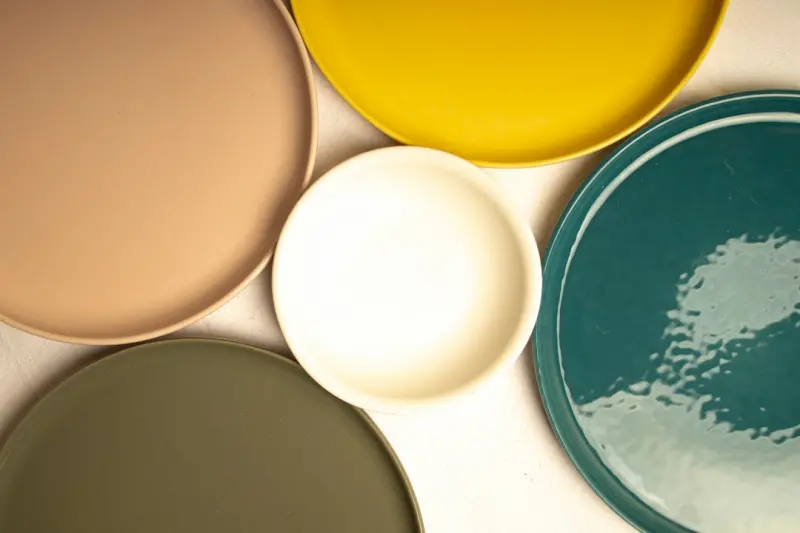
- Plate Visuals: Use a white plate to make colors pop. A visually striking plate can improve satiety and reduce mindless snacking.
- Track with a Palette: Instead of a calorie app, use a simple color‑log. Draw three circles per meal (red, orange, green, etc.) to ensure you hit at least three different hues.
- Experiment with Fermentation: Adding kimchi or sauerkraut not only adds a splash of red/purple but also introduces beneficial microbes that further support hormone regulation.
Addressing Common Misconceptions
“All berries are the same.” Not true. While blueberries, blackberries, and raspberries all contain anthocyanins, the specific sub‑types vary and can affect different signaling pathways. Rotate among them for a broader spectrum.
“I don’t like greens.” Try blending them into smoothies with fruit, or sautéing with garlic and a splash of citrus. The flavor profile changes dramatically, and you still reap chlorophyll’s benefits.
“Colorful food is expensive.” In reality, frozen produce often retains pigment better than fresh, and it’s more affordable year‑round. Look for sales on bulk carrots, sweet potatoes, and spinach.
Future Directions: Personalized Color Nutrition
Emerging research suggests that individual genetics influence how we metabolize specific phytonutrients. In the next wave of nutrition science, we may see apps that combine DNA testing with a color‑based meal planner, offering hyper‑personalized recommendations. Until then, the rainbow strategy remains a low‑cost, high‑impact method that anyone can adopt.
Takeaway
By paying attention to the hues on your plate, you’re not just feeding your eyes—you’re communicating directly with your hormones. This approach bridges the gap between aesthetic eating and functional health, delivering a sustainable, enjoyable pathway to balanced energy, mood, and metabolic performance. So next time you stand before the grocery aisle, let the colors guide you toward a more harmonious you.

Deb Roberts is a freelancer who writes on various subjects, bringing versatility and depth to her work. Alongside her broad writing expertise, she has a special passion for horses.
Related Posts
Nourish to Thrive: A Holistic Nutrition Reset for Busy Lives
A fresh, holistic guide to fueling your body amid a hectic schedule—learn how to balance macros, s... Read More
Unlocking the Secret of Food Pairing: How Strategic Combos Supercharge Nutrition
Explore the science behind food pairing, learn which combos maximize vitamins and minerals, and get ... Read More
Flavor‑First Nutrition: Turning Every Meal into a Creative Power‑Up
Explore a sensory‑driven nutrition strategy that uses taste, aroma, texture, and visual appeal to ... Read More
Top Posts

When Your Gut Starts Talking: Decoding the Signals for Better Health
Your gut is a constant communicator, sending cues about stress, nutrition, and overall well‑being. This guide teaches you how to decode those signals, build a...Read More

Narcolepsy as a Catalyst for Unconventional Creativity
Discover how the spontaneous REM bursts of narcolepsy can fuel innovative thinking, and learn actionable strategies to capture and apply these creative sparks i...Read More
Ignite Neuroplasticity: Playful Curiosity as the Ultimate Brain Hack
Learn to transform everyday moments into neuro‑boosting adventures using play, sound, movement, and nutrition for lasting brain health....Read More

Pregnancy Power Moves: Tiny Habits and Nighttime Rituals for a Thriving Trimester
A practical guide to using tiny daily habits, optimized nighttime routines, and micro‑connections to support nutrition, sleep, stress resilience, and overall ...Read More
0 Comments
Post Comment
You will need to Login or Register to comment on this post!