
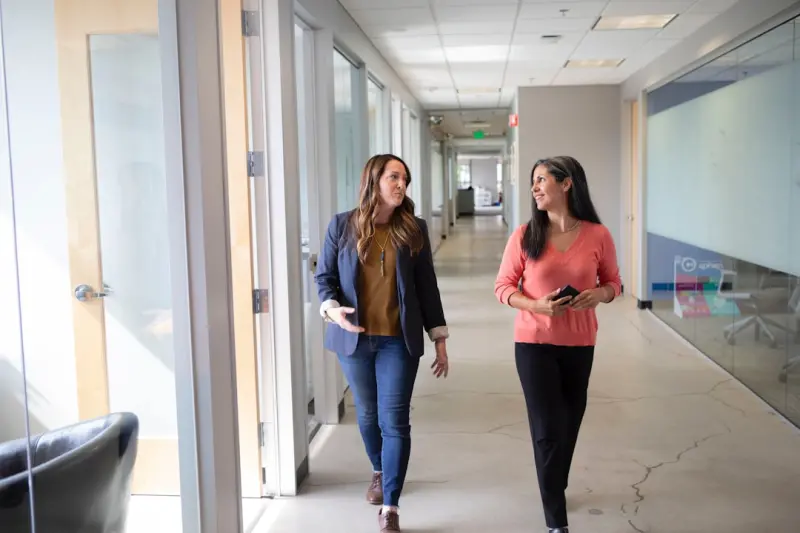
Why Your Next Boardroom Should Have a Pavement View
Imagine swapping the stale conference‑room air for a fresh breeze, the hum of a projector for the rhythm of your own footsteps, and the endless loop of PowerPoint slides for a real‑time pulse of ideas. That’s the promise of walking meetings—a simple, low‑tech tweak that can rewrite the health narrative for anyone glued to a chair from nine to five.
The Hidden Cost of Sitting
We’ve all heard the “sitting is the new smoking” mantra, but the data behind it is staggering. Prolonged sedentary behavior is linked to higher risks of cardiovascular disease, metabolic syndrome, and even early mortality. For the modern professional, the office chair can become an invisible shackles, quietly eroding both physical and mental well‑being.
Beyond the obvious aches and pains, sitting for hours dampens blood flow, reduces insulin sensitivity, and spikes cortisol levels—the stress hormone that fuels anxiety and hampers focus. Over time, those micro‑injuries compound, leading to chronic back pain, reduced creativity, and a sluggish decision‑making engine.
Walking Meetings: A Simple Prescription
Enter walking meetings. They’re not a gimmick; they’re a prescription backed by emerging research. When you walk, your heart rate nudges up, prompting a flood of oxygen‑rich blood to the brain. This surge enhances neurogenesis, sharpening focus and fostering the kind of “outside‑the‑box” thinking that static brainstorming sessions often lack.
But the benefits go deeper. Walking stimulates the release of endorphins, the body’s natural mood elevators, which can mitigate the anxiety spikes that often accompany high‑stakes discussions. It also triggers the release of brain‑derived neurotrophic factor (BDNF), a protein that supports learning, memory, and the growth of new neural connections. In plain English: you become a sharper, more resilient version of yourself—while burning calories.
How to Transition Without Losing Momentum
- Pick a Purposeful Route: Choose a path that encourages dialogue—quiet streets, a park loop, or even a corporate campus trail. The key is minimal distractions yet enough visual variety to spark inspiration.
- Set a Clear Agenda: Just like any traditional meeting, outline objectives beforehand. A concise agenda ensures the conversation stays on track, even as your steps pick up pace.
- Leverage Technology Wisely: Use voice‑recording apps or a quick note‑taking tool on your phone. Avoid pulling out laptops; the goal is to stay present, not to get tangled in a spreadsheet while you stride.
- Invite the Right Participants: Walking meetings work best with small groups (2‑4 people). Larger teams can fragment the conversation and make pacing uneven.
- Embrace a “Walking‑First” Culture: Encourage leaders to model the habit. When executives start walking to discuss quarterly goals, the rest of the team follows suit.
Walking Meets Creativity: A Proven Link
Research from Stanford and Harvard consistently shows that physical movement can boost creative output by up to 60 %. When you pair this with the informal, relaxed vibe of a stroll, the brain’s default mode network—a system responsible for divergent thinking—lights up. This is why many of the world’s greatest innovators, from Steve Jobs to Charles Darwin, favored walking as part of their creative process.
For professionals who feel stuck in a “mental rut,” a walking meeting can be the jolt needed to break free. The kinetic energy of your feet translates into mental energy, turning stagnant discussions into dynamic problem‑solving sessions.
Case Study: From Desk‑Bound to Trail‑Blazing
At a mid‑size tech firm, a pilot program introduced a weekly “Walk‑and‑Talk” session for product managers. Within three months, the team reported a 25 % reduction in meeting fatigue and a 15 % increase in sprint‑completion speed. Employees also noted lower back pain and higher overall satisfaction.
The secret? They paired walking meetings with an intentional focus on How Movement Supercharges Creative Thinking at Work. By framing the walks as creative labs rather than status updates, the team unlocked a new rhythm of collaboration that translated directly into faster releases and happier customers.
Walking Meetings for Remote Teams
Think walking meetings only work in physical offices? Think again. Remote workers can still reap the benefits by scheduling “virtual walks.” Using a smartphone, each participant can step outside while staying connected via a brief call or voice note. This not only injects physical activity into a remote routine but also replicates the shared experience that fosters team cohesion.
Platforms like Remote Health Coaching have already demonstrated the power of virtual presence for wellness. Applying that mindset to meetings simply extends the health dividend across geography.
Balancing Pace and Productivity
One common concern is that walking might slow down decision‑making. In reality, the opposite often occurs. The rhythmic cadence of walking sets a natural tempo that discourages endless digressions. Instead, conversations become more focused, with participants naturally gravitating toward concise, action‑oriented language.
For those worried about missing detailed data, consider a hybrid approach: begin with a brisk walk to outline high‑level concepts, then reconvene in the conference room (or a virtual whiteboard) to flesh out the specifics. This two‑stage format leverages the creative spark of movement while preserving the analytical depth needed for complex topics.
Walking Meetings and Personal Health Metrics
Integrating walking meetings into your routine can also serve as a gentle nudge toward daily step goals. The CDC recommends at least 10,000 steps per day for optimal health. By embedding 30‑minute walks into the workday, you’re already half‑way there.
For the data‑driven professional, consider tracking metrics such as:
- Average steps per meeting
- Heart‑rate zones reached during walks
- Post‑meeting mood rating (1‑5 scale)
- Idea generation count (how many new concepts emerged)
Analyzing this data over weeks can reveal correlations between physical activity and performance, providing concrete evidence to champion walking meetings across your organization.
Addressing Common Obstacles
- Weather Concerns: Indoor corridors, gym treadmills, or even large office lobbies can serve as alternatives. The key is movement, not the setting.
- Accessibility: Ensure routes are wheelchair‑friendly and consider standing‑desk alternatives for those who cannot walk long distances.
- Time Constraints: Start with 10‑minute “quick walks.” As the habit solidifies, gradually extend duration.
- Corporate Culture: Tie walking meetings to broader wellness initiatives, linking them to performance bonuses or health‑trackers to gain executive buy‑in.
Beyond the Meeting: A Lifestyle Shift
Walking meetings are more than a productivity hack; they’re a gateway to a broader movement‑centric lifestyle. When you normalize walking as a mode of collaboration, you’re more likely to integrate walking into other daily routines—lunch breaks, client calls, or even brainstorming sessions with a colleague over coffee.
This ripple effect can transform office culture from sedentary to kinetic, encouraging employees to take stairs, schedule standing breaks, and view movement as an integral part of professional success.
Final Thoughts: Step Into the Future of Work
In a world where digital fatigue and chronic stress are the new norm, walking meetings offer a low‑cost, high‑impact antidote. They simultaneously address physical health, mental clarity, and creative output—three pillars that underpin sustainable performance.
So next time you schedule a brainstorming session, ask yourself: “Will this conversation happen better on our feet?” If the answer is yes, lace up, grab a colleague, and let the pavement be your conference room.

Kelly Reynolds is a dynamic freelance writer hailing from the picturesque landscapes of Alberta. A master of the written word, she juggles her passion for storytelling with the exhilarating chaos of being a mother to five spirited children. With an impressive portfolio that spans various genres, Kelly captivates readers through her engaging blog posts and thought-provoking articles.
Related Posts

The Oral Microbiome: Your Mouth’s Secret Role in Whole‑Body Performance
The oral microbiome is a rapid‑response hub that shapes inflammation, hormone balance, and brain c... Read More

Silencing the Noise: How Ambient Sound Becomes Your Secret Weapon for Healthier Workdays
A deep dive into the science of ambient sound, showing how low‑level, consistent audio can calm th... Read More

Forest Bathing: A Natural Prescription for Immune Strength
Explore the calming power of forest bathing, learn practical steps to integrate nature walks into yo... Read More
Top Posts

Pregnancy as a Design Sprint: Blueprinting Birth and Beyond
Discover a fresh, project‑based approach to pregnancy that uses design thinking, empathy mapping, and rapid prototyping to turn uncertainty into a clear, acti...Read More

Why Your Health Insurance Should Be Your First Wellness Ally
Discover fresh strategies to make health insurance work for you—leveraging preventive care, telehealth, HSAs, and wellness incentives to boost health and save...Read More

The Quiet Saboteur: How Sleep Apnea Undermines Workplace Performance
Sleep apnea silently hurts decision‑making, memory, and overall performance at work. This article reveals the physiological impact, quantifies the business co...Read More

Chrono‑Smart Living: How Timing, Tiny Stressors, and Community Can Extend Your Life
A unique longevity plan that syncs your daily habits with internal clocks, adds purposeful micro‑stress, and leverages community rhythm to boost health and ex...Read More
0 Comments
Post Comment
You will need to Login or Register to comment on this post!