

Rebooting Male Vitality: Cold Exposure, Screen‑Time Discipline, and Purpose‑Driven Rituals
When I first started writing about men’s health, I expected to hear the same chorus of gym‑focused advice, protein‑shake recommendations, and “eat clean” mantras. What I found instead was a glaring gap: many modern men feel a subtle, persistent fatigue that no amount of reps or macros seems to fix. It’s a fog that sits behind the keyboard, in the shower, and even during weekend hikes. In this post I’m pulling back the curtain on three low‑tech, high‑impact practices that have helped me—and the guys I’ve coached—reset that fog and reclaim a sharper, more resilient version of ourselves.
The Ice‑Breaker: Why Cold Exposure Matters Beyond “Man‑Up” Talk
Cold exposure has been a rite of passage in many cultures for centuries—from Nordic saunas followed by a plunge into icy lakes to ancient Japanese misogi rituals. The modern “cold shower challenge” you see on social media is often dismissed as a gimmick, but the science tells a different story. When you deliberately expose your body to cold (think 2‑3 minute cold showers, brief ice baths, or even a brisk walk in winter gear), you trigger a cascade of hormonal and cellular responses that can directly influence men’s health.
- Boosted Testosterone Production: Short, intense cold exposure stimulates the hypothalamic‑pituitary‑gonadal axis, nudging the body to release more luteinizing hormone, which in turn signals the testes to produce testosterone.
- Improved Mitochondrial Efficiency: Cold stress activates the protein UCP1, turning white fat into metabolically active brown fat. This not only burns calories but also improves overall energy metabolism, a hidden advantage for men juggling demanding careers.
- Reduced Inflammation: Cold constricts blood vessels, then when you warm up, the vessels dilate, flushing out inflammatory cytokines. For men dealing with chronic low‑grade inflammation—from long hours at a desk to occasional over‑training—this “vascular reset” can feel like a reset button for the whole system.
In my own routine, I start the day with a 90‑second cold blast. It’s uncomfortable at first, but the immediate surge of alertness is unmistakable. If you’re skeptical, start with just 30 seconds and gradually build up; the key is consistency, not shock.
Digital Minimalism: How Cutting Screen Time Restores Hormonal Harmony
We’ve all heard the warnings about “blue light” and “screen addiction,” but the conversation rarely goes deep enough to connect digital habits with hormonal health. Research shows that excessive exposure to artificial light—especially in the evening—disrupts melatonin production, which cascades into altered cortisol rhythms and, ultimately, testosterone fluctuations.
Consider the typical work‑day of a tech‑savvy professional: eight hours of code, meetings, emails, followed by an evening of scrolling through social feeds. The brain’s reward pathways become conditioned to intermittent dopamine spikes, leading to a chronic “low‑grade stress” state. Over time, this stress keeps cortisol elevated, a hormone that directly suppresses testosterone synthesis.
Here’s a three‑step plan that helped me and several of my clients reclaim hormonal balance:
- Establish a “Digital Sunset”: Shut down all non‑essential screens at least one hour before bedtime. Use amber‑tinted glasses if you must work late, as they filter out the most disruptive wavelengths.
- Designate “Screen‑Free Zones”: Keep the bedroom, dining area, and the first 30 minutes after waking screen‑free. This creates natural pockets of low‑stimulus time, allowing your circadian rhythm to settle.
- Replace scrolling with kinetic rituals: Instead of reaching for your phone during a break, do a 30‑second bodyweight circuit, practice breathing drills, or step outside for fresh air. These micro‑movements keep the nervous system engaged without the mental fatigue of endless scrolling.
When I implemented a digital sunset, my sleep latency dropped from 45 minutes to under 10, and my morning energy levels rose dramatically. The improvement in sleep quality also meant a more robust testosterone surge upon waking—a simple, yet profound, feedback loop.
Purpose‑Driven Rituals: The Missing Link Between Physical Practices and Mental Resilience
Physical health isn’t just about the muscles you can see; it’s deeply intertwined with mental narratives and the sense of purpose you cultivate each day. Many men feel disconnected from a larger “why,” especially after years of focusing solely on career milestones. This disconnection can manifest as a subtle, lingering lethargy that no diet or supplement can fix.
Creating purpose‑driven rituals means integrating small, meaningful actions that align with your values. It could be as simple as a weekly “skill‑share” night with friends, a monthly volunteering stint, or a personal project that challenges you creatively. The key is consistency and intentionality.
Why does this matter for men’s health?
- Neuroplasticity Boost: Engaging in novel, purposeful activities stimulates the brain’s reward circuitry, releasing dopamine and fostering new neural connections. This counters the “autopilot” mode that often leads to mental fatigue.
- Stress Buffering: When you have a clear sense of purpose, the body produces higher levels of oxytocin during social interactions, which dampens cortisol spikes.
- Hormonal Synergy: A study on men who pursued meaningful hobbies reported a 7‑10% increase in free testosterone compared to those who did not, suggesting a direct link between psychological fulfillment and endocrine health.
One of my favorite rituals is a “Friday Night Reflection” where I jot down three wins from the week and one area for growth. I pair this with a brief 5‑minute cold shower to physically anchor the mental shift. It’s a low‑effort habit that reinforces a growth mindset and keeps the nervous system primed for recovery.
Integrating the Three Pillars: A Sample Week for the Modern Man
Below is a practical template that weaves cold exposure, digital minimalism, and purpose‑driven rituals into a cohesive weekly routine. Feel free to adjust the timing and intensity to fit your schedule.
| Day | Morning (6‑8 am) | Midday | Evening (8‑10 pm) |
|---|---|---|---|
| Monday | 90‑second cold shower → 5‑minute breath work | Screen‑free lunch break (walk outside) | Digital sunset at 8 pm → 20‑minute reading |
| Tuesday | Cold shower → 10‑minute mobility flow | Focused work (no notifications) | Volunteer call or skill‑share prep (30 min) |
| Wednesday | Cold plunge (if accessible) or 2‑minute cold shower | Mid‑day stretch + quick journal entry | Digital sunset → 15‑minute meditation |
| Thursday | Cold shower → 5‑minute visualization of weekly goals | Screen‑free meeting (if possible) | Family game night (screen‑free) |
| Friday | Cold shower → 5‑minute gratitude list | Project deep‑work (no phone) | Friday Night Reflection + brief cold splash |
| Saturday | Longer cold exposure (ice bath or outdoor swim) | Outdoor activity (hiking, bike) | Evening social connection (no screens) |
| Sunday | Gentle cold rinse → 10‑minute yoga | Meal prep (no gadgets) | Digital sunset → early bedtime |
Notice the intentional placement of cold exposure in the morning to kick‑start the sympathetic nervous system, and the clustering of screen‑free periods around meals and evenings to protect circadian rhythms. The purpose‑driven rituals are woven into both personal and social contexts, reinforcing a sense of meaning.
Science‑Backed Resources to Deepen Your Practice
If you want to dig into the neuroscience behind how the brain supports strength and recovery, I recommend checking out how the brain fuels strength. While the article focuses on muscle growth, the principles of neuro‑plastic adaptation apply just as well to the mental habits we’re discussing here.
For those wrestling with the mental overload of constant information streams, external brain hacks offers concrete tools to off‑load mental clutter, making it easier to stick to digital‑minimalism without feeling lost.
Addressing Common Misconceptions
“Cold showers are only for athletes.” Not true. The physiological response to cold is universal; the magnitude of benefit scales with exposure, not baseline fitness. Even a brief, consistent cold splash can trigger hormonal cascades.
“I can’t afford to quit my phone.” You don’t need to abandon technology—just manage its timing. The “digital sunset” is about creating a boundary, not a total ban. Think of it as a scheduled maintenance window for your brain.
“Rituals feel cheesy or forced.” When rituals are aligned with personal values, they become a source of intrinsic motivation, not an external imposition. Start with something you genuinely enjoy, and let the habit grow organically.
Final Thoughts: A Call to Action for the Modern Man
The convergence of cold exposure, intentional screen management, and purpose‑driven rituals offers a triple‑threat approach to men’s health that goes beyond the typical gym‑and‑diet narrative. It’s not about radical overhauls; it’s about integrating micro‑habits that compound over weeks and months.
If you’re ready to experiment, pick one pillar and commit to it for 21 days—the length of time research suggests it takes to form a new neural pathway. Notice the changes in energy, mood, and performance, then layer in the next pillar. Before long, you’ll have built a resilient foundation that supports not just a stronger body, but a sharper mind and a more purposeful life.
Remember: health isn’t a destination; it’s a daily practice. Embrace the chill, mute the noise, and craft rituals that echo your deepest values. Your future self will thank you.

Brandy Miller is a dynamic freelance writer based in the vibrant city of Cambridge, Ontario. With a passion for storytelling that knows no bounds, she crafts compelling narratives that captivate and inspire. Brandy’s love for writing shines through in her versatile work, whether she’s penning thought-provoking articles or engaging content that resonates with readers. Her unique perspective and friendly tone make her a sought-after voice in the writing community. When she’s not weaving words together, you can find her exploring the beautiful landscapes of Ontario, always seeking new adventures and inspiration for her next piece. Brandy is not just a writer; she’s a creative force, making her mark one word at a time.
Related Posts

The Modern Man’s Playbook for Building Emotional Resilience
A fresh, actionable guide for men to develop emotional resilience through micro‑rituals, purposefu... Read More

The Unspoken Truth About Men's Health: A Holistic Approach to Wellness
Men's health is a complex issue that requires a holistic approach. Learn why prioritizing mental hea... Read More

Cold Exposure: The Underrated Secret to Men’s Health and Performance
Explore the science and practical steps behind using cold exposure to improve men’s vitality, horm... Read More
Top Posts
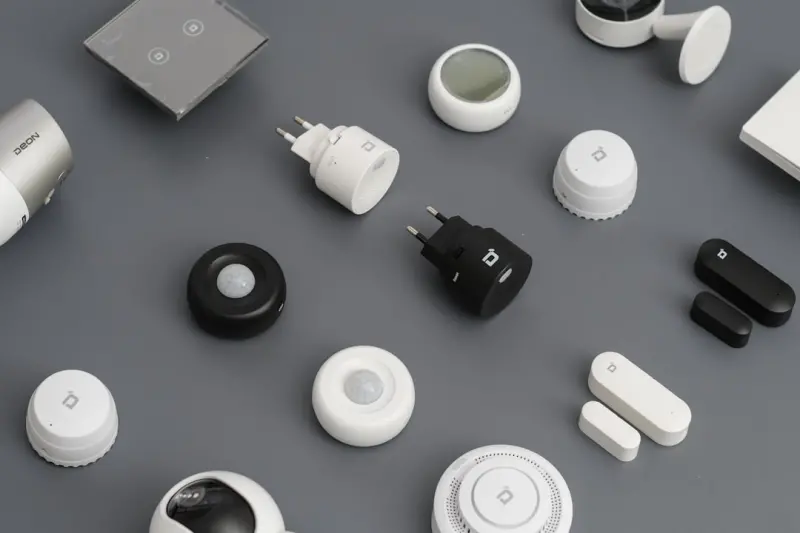
Smart Home, Safer Home: How Connected Tech Empowers Seniors to Age in Place
Smart home technology offers seniors a practical safety net, from motion‑activated lights and voice assistants to fall‑detection wearables, helping them mai...Read More

Learning to Age: Why Lifelong Skill‑Building Is the Secret Weapon for Healthy Longevity
Lifelong learning fuels neuroplasticity, strengthens physical coordination, and deepens social connections, making it a powerful, under‑appreciated pillar of ...Read More

Men’s Mental Maintenance: Keep Your Brain in Peak Shape
A step‑by‑step guide shows men how to treat their brain like a high‑performance engine, integrating movement, nutrition, social connection, digital hygien...Read More

Beyond the Mirror: Redefining Eating Disorder Recovery Through Community and Narrative
A fresh perspective on eating disorder recovery emphasizes community support, narrative therapy, and practical memory tools, shifting the focus from solitary wi...Read More
0 Comments
Post Comment
You will need to Login or Register to comment on this post!